
Free written scope consultation - allowances, timeline, and change-order rules on paper before a single trade is scheduled
Styles & brands we work with







See the difference
 Before
 After
After Before
 After
After Before
 After
AfterHow Much Does Countertop Installation Cost in San Diego?
Countertop installation in San Diego typically costs between $2,360 and $7,670 for most kitchens in 2026. That range covers standard materials like quartz and granite, including templating, fabrication, and professional installation. Your final number depends mostly on the material you choose, how many square feet you’re covering, and whether your cabinets need any prep work first.
Here’s the honest version: a galley kitchen in Normal Heights with 30 square feet of mid-range quartz might land around $3,500 to $4,500 all-in. A larger open-concept kitchen in Rancho Bernardo with a waterfall island and premium stone could push past $8,000. We’ll walk through exactly what drives those differences below.
Penhallow Remodeling writes every countertop price down before demo day, so the number you approve is the number you pay. If you’d like a free, no-pressure estimate for your San Diego kitchen, call (619) 604-9624 and a live person will answer, day or night.
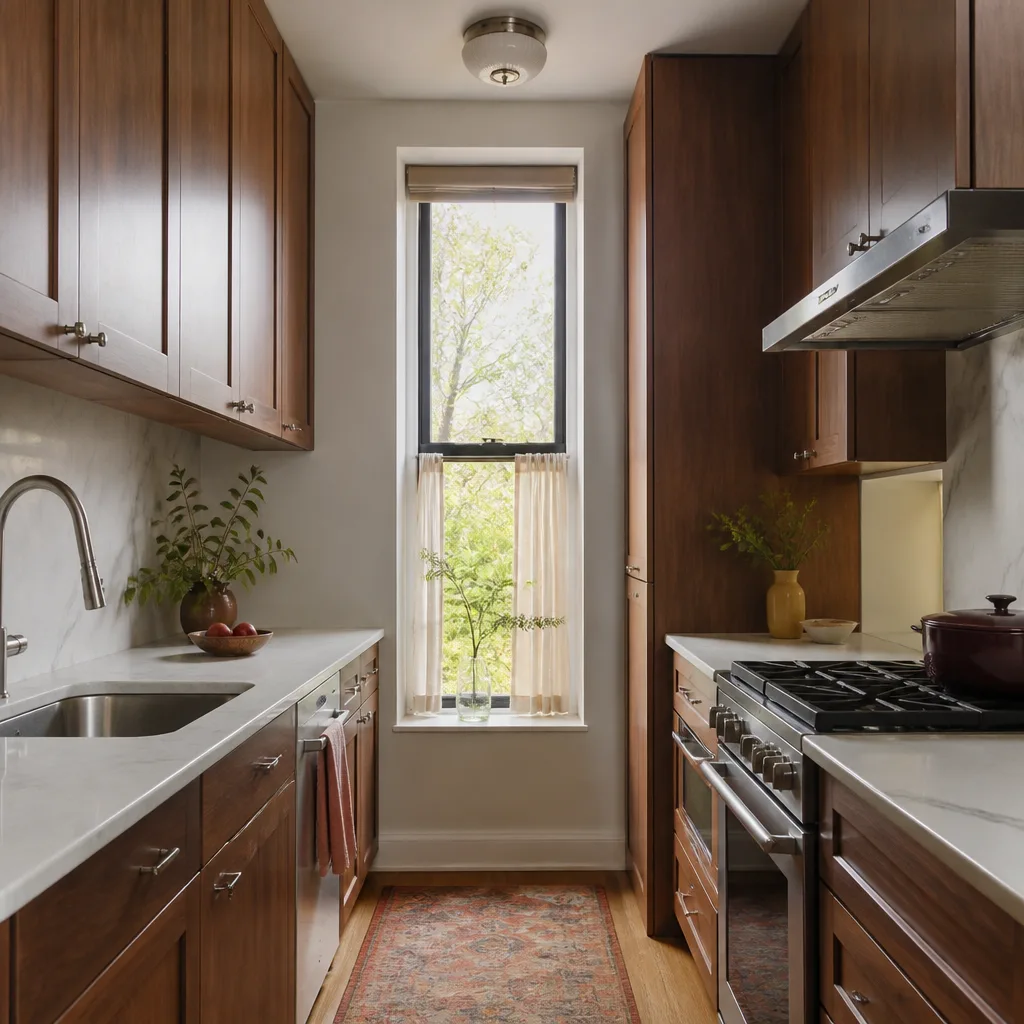
Countertop Installation Cost Breakdown (2026)
Here’s what the San Diego countertop market looks like by material and scope in 2026. These ranges reflect what we see on real projects across the county, from Chula Vista to Oceanside:
| Scope / Material | Typical San Diego Cost Range | What’s Included |
|---|---|---|
| Laminate countertops (standard kitchen, ~30 sq ft) | $1,200 – $2,800 | Material, template, fabrication, install |
| Granite countertops (standard kitchen, ~30 sq ft) | $2,100 – $4,500 | Slab selection, template, cut, polish, install |
| Quartz countertops (standard kitchen, ~30 sq ft) | $2,400 – $5,200 | Cambria, Silestone, or Caesarstone slab, template, fabrication, install |
| Quartzite or marble (standard kitchen, ~30 sq ft) | $3,500 – $7,670 | Premium slab, template, fabrication, sealing, install |
| Butcher block (standard kitchen, ~30 sq ft) | $1,800 – $3,600 | Hardwood slab, sanding, oil finish, install |
| Bathroom vanity top (single basin, ~6-8 sq ft) | $950 – $2,100 | Material, sink cutout, edge profile, install |
| Kitchen island countertop (add-on, ~15-20 sq ft) | $1,500 – $4,000 | Slab, overhang support, template, install |
| Full countertop replacement (demo + disposal + install) | $3,000 – $7,670 | Old counter removal, haul-away, new slab, labor |
One thing we tell every homeowner in San Diego: the countertop itself is usually 40 to 60 percent of the bill. The rest is templating (a technician measures your cabinets precisely so the slab fits), fabrication (cutting, edging, sink cutouts), and the install crew’s labor. If a quote comes in dramatically below these ranges, ask what’s missing. We regularly see bids that skip templating or leave haul-away off the ticket, and the homeowner finds out when the crew arrives.
Also worth knowing: Cambria quartz carries its own lifetime warranty, and Silestone and Caesarstone offer long-term material warranties too. That layer of protection sits on top of our own 365-Day Done Right Promise, which we’ll get to below.
What Affects Countertop Installation Pricing in San Diego
No two kitchens in San Diego price out identically. Here are the six factors that move your number the most:
- Material choice. Laminate starts around $40 per square foot installed. Granite runs $60 to $110. Quartz lands at $70 to $140 depending on the brand and pattern. Quartzite and marble push $120 to $220. The material is the single biggest swing factor, and in San Diego’s climate, quartz’s non-porous surface resists the humidity that can cloud natural stone over time.
- Square footage and slab size. Countertop slabs are typically sold in standard sizes, so a kitchen that needs 31 square feet may still require buying a full 55-square-foot slab. You pay for the slab, not just the cut section. Larger kitchens in newer Eastlake or Otay Ranch homes often have more linear counter run, which drives up both material and template labor.
- Number of seams and cutouts. Every sink cutout, cooktop opening, and seam adds fabrication time. A single-slab run with one sink is cheaper than an L-shaped kitchen with a farmhouse sink, a separate cooktop cutout, and two seams. Larger islands with waterfall edges (where the slab runs down the sides to the floor) add $1,000 to $2,500 on their own.
- Cabinet condition and substrate. Your countertop sits on the cabinet boxes and the substrate, which is the structural layer between the cabinet and the stone. If we find water damage, rot, or out-of-level cabinets in older San Diego homes (we see this often in Clairemont and Allied Gardens, where kitchens date to the 1960s and 70s), that substrate work adds $300 to $900 before the stone goes down.
- Edge profile. A standard eased or pencil edge usually comes included. Fancier profiles like ogee, bullnose, or a mitered edge that makes the slab look thicker add $10 to $30 per linear foot. A typical kitchen with 30 linear feet of edge can add $300 to $900 just on the profile.
- Access and second-floor work. Stone slabs are heavy. A second-floor condo in Mission Valley or a home with a narrow side gate in Pacific Beach may require a crane, a stair-climbing dolly, or extra crew members. That adds $400 to $1,200. We factor this into the written price up front so it never shows up as a surprise line item later.
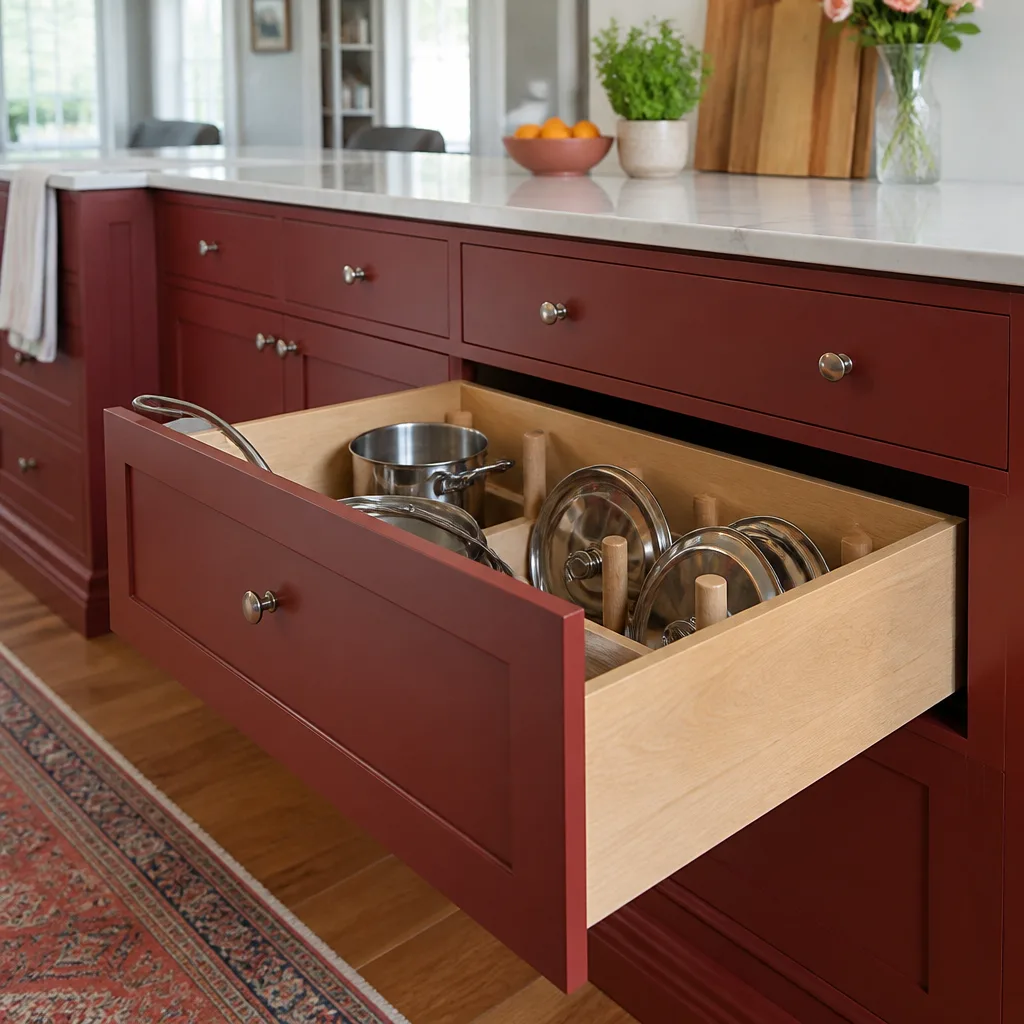
How to Save on Countertop Installation
You don’t have to max out the budget to get a countertop you’ll love for the next 15 years. Here’s how San Diego homeowners keep the number down without cutting corners:
- Choose a mid-range quartz. You get the durability and stain resistance of premium stone at $70 to $90 per square foot installed. Cambria and Silestone both have lines in this range that look sharp and hold up to daily kitchen use.
- Keep the edge profile simple. A standard eased edge costs nothing extra and looks clean in both modern and traditional kitchens. Skip the ogee and full bullnose unless the design really calls for it.
- Handle demo yourself if you’re handy. Removing old laminate counters is doable for a careful DIYer and can save $200 to $500. But leave demo of stone or tile to the crew; those materials are heavy, sharp, and uneven, and the disposal alone is worth the labor cost.
- Time your project outside peak season. Late fall and early winter are slower for San Diego remodelers. Between January and March, fabricators often have more scheduling flexibility, and you may see better slab remnant pricing on smaller bathrooms and islands.
- Use a remnant for a bathroom vanity or small island. Fabricators keep leftover slab pieces from larger jobs. If your vanity is under 10 square feet, a remnant can cut material cost by 40 to 60 percent. We have good relationships with local San Diego fabricators and can pull remnants when they fit your project.
And if you’re still comparing numbers, call (619) 604-9624 for a free written estimate. You’ll get a real dollar figure, not a range or a ballpark. What we quote is what you pay.
Why Written Pricing Matters in San Diego
San Diego has thousands of contractors, and the honest truth is that pricing practices vary wildly. We hear the same stories all over the county, from La Jolla to Lemon Grove: a homeowner gets a verbal estimate, signs on, and watches the number climb once the old counters come off and the “unforeseen issues” start. That’s not how we work.
Penhallow Remodeling operates under The Kingswell Way, a set of standards that started back in 2004. They’re simple, and they’re in writing: Say the price before the work. Show up in the window we gave. Leave the place cleaner than we found it. Put a guarantee on every job in writing. No exceptions, no fine print.
Trevor Nash, who leads Penhallow Remodeling San Diego, puts it plainly: if the number changes after demo day without a signed change order, that’s our problem, not yours. That’s the standard we hold. And the 365-Day Done Right Promise backs it: if anything fails inside a year because of our work, we come back and fix it at no charge. Free second visit, no service call fee, no re-inspection charge.
We also show up the way you’d expect from a professional company. Every technician is background-checked and in uniform, so you know exactly who’s walking into your home. And when you call, a live person answers. No voicemail maze, no automated callback window. 24/7, a real human picks up.
For more on how we handle countertop work across San Diego, see our Countertop Installation in San Diego service page.
Common Countertop Materials: What San Diego Homeowners Pick
When we sit down with clients in their kitchens, most conversations come down to three materials. Here’s what we tell them, straight:
Quartz (Engineered Stone)
Quartz is the most popular choice in San Diego right now, and for good reason. It’s non-porous, so red wine, coffee, and citrus don’t stain it. It never needs sealing. It resists chips better than granite. And brands like Cambria, Silestone, and Caesarstone offer patterns that convincingly mimic natural marble without the upkeep. Expect $70 to $140 per square foot installed. Most San Diego kitchens land between $3,000 and $5,200.
Granite
Granite is the old standby, and it still makes sense for homeowners who want natural stone with true one-of-a-kind veining. Every slab is unique, so you’ll want to visit the fabricator’s yard and pick your exact piece. Granite needs sealing once a year, which is a simple wipe-on task most homeowners do themselves. Installed cost runs $60 to $110 per square foot in San Diego, with typical kitchens running $2,100 to $4,500.
Quartzite and Marble
Quartzite is natural stone that’s harder than granite and rivals marble for looks. Marble is the classic baker’s choice, beautiful but softer and more prone to etching from acidic foods. Both are premium materials: $120 to $220 per square foot installed. These make sense when the countertop is a focal point, like a large island in a Carlsbad or Del Mar kitchen. Be honest with yourself about how much you cook with lemon and tomato before committing to marble.
Laminate and Butcher Block
Laminate has come a long way from the peeling layers of the 1990s. Modern laminate resists moisture well, installs fast, and costs $40 to $70 per square foot installed. Butcher block, usually maple or walnut, brings warmth and is kind to knives, but it needs periodic oiling and doesn’t love standing water. Both are solid budget picks for rental properties, laundry rooms, and smaller kitchens.
What the Installation Process Looks Like (and What You Should Know)
Here’s what happens after you approve a number with us, step by step, so nothing catches you off guard:
- Template visit. A technician comes to your San Diego home with laser-measuring equipment and creates a precise template of your cabinet layout. This usually takes 30 to 45 minutes. If we’re replacing counters, the old ones are still in place during templating, which is fine; the template accounts for the final surface.
- Slab selection. For granite, quartzite, and marble, you’ll visit a local slab yard (most are in Miramar, Kearny Mesa, or National City) and pick your exact slab. For quartz like Cambria or Silestone, you’ll select from brand samples and the fabricator orders your slab directly.
- Fabrication. The fabricator cuts the slab to your template, polishes the edges, cuts sink and cooktop openings, and drills faucet holes. This takes 5 to 10 business days depending on their schedule. In San Diego, most fabricators turn quartz and granite around in about a week.
- Install day. The crew arrives (in uniform, background-checked), removes your old counters if needed, levels the substrate, and sets the new stone. For a standard kitchen, expect 3 to 5 hours on site. We’ll have your sink plumbed and your cooktop dropped back in before we leave.
- Sealing and final walkthrough. Natural stone gets sealed by the installer. Quartz and laminate don’t need it. We walk the job with you, show you the seams, and hand you the written warranty before we pack up. If anything looks off in the first year, you call us and we come back. That’s the 365-Day Done Right Promise.
San Diego-Specific Considerations for Countertop Projects
A few things we see regularly in San Diego homes that don’t show up in generic pricing guides:
- Coastal humidity and salt air. Homes west of I-5 in Ocean Beach, Point Loma, and La Jolla deal with marine layer moisture most mornings. Quartz handles this without issue. Natural stone should be sealed annually in coastal zones, and we’ll tell you if your home falls in the zone where we’d recommend that.
- Older cabinet construction. Many San Diego homes built between 1950 and 1980 have face-frame cabinets that aren’t perfectly level after decades of settling. Some concrete-slab homes in Clairemont and University City shift subtly over time. We check for this during templating and correct it in the substrate before stone goes down, so your counters don’t crack at the seam six months later.
- Seismic considerations. San Diego is earthquake country. Countertops don’t need seismic-specific engineering the way cabinets or appliances do, but we do anchor large islands and use flexible adhesive systems that absorb minor movement without cracking. It’s a small detail that matters when the ground moves.
- Permit scope. Countertop replacement alone doesn’t typically require a permit in the City of San Diego or most incorporated areas of the county. If we’re moving plumbing, relocating an island, or changing the kitchen’s layout as part of a larger home remodel, permits enter the picture, and we’ll handle that paperwork for you.
Countertop Installation vs. Refinishing: What’s the Better San Diego Deal?
This is the question we hear most from budget-conscious homeowners: can’t I just refinish or resurface my existing counters for less? The honest answer: sometimes, but know what you’re getting.
Countertop refinishing (spray-on epoxy coatings or concrete overlays) runs $600 to $1,800 for a standard kitchen in San Diego. It can look decent for a year or two, and it makes sense for a rental unit or a home you’re prepping for sale on a tight budget. But refinishing doesn’t fix structural problems, doesn’t upgrade the material, and typically starts showing wear or yellowing within 18 to 24 months, especially in sunny San Diego kitchens with lots of natural light. UV exposure breaks down epoxy coatings faster than the manufacturers’ product videos show.
Full replacement with quartz or granite costs more up front, but it’s a 15 to 25 year surface, not a 2 to 3 year patch. If you plan to live in this San Diego home for five or more years, replacement is usually the better math. If you’re listing the house in the spring, refinishing might be the smarter short-term move. We’ll tell you which one fits your situation if you ask; we’re a remodeling company, but we’d rather give you honest advice than talk you into a job that doesn’t serve you.
FAQs – Countertop Installation Cost in San Diego
How much does countertop installation cost per square foot in San Diego?
Countertop installation in San Diego runs $40 to $220 per square foot installed, depending on material. Laminate starts around $40 per square foot, granite runs $60 to $110, quartz runs $70 to $140, and premium quartzite or marble runs $120 to $220. For a standard 30-square-foot kitchen, that means $1,200 to $6,600, with most quartz kitchens landing between $3,000 and $5,200. Call (619) 604-9624 for a free written estimate with your exact square footage.
Is it cheaper to repair or replace countertops in San Diego?
For chips, cracks, or stains, repair runs $150 to $600 in San Diego and makes sense when damage is isolated and the material is otherwise sound. For laminate delamination, widespread cracking, or a surface that’s 15+ years old, replacement at $2,360 to $7,670 is usually the better long-term value. Repairs on laminate are often temporary by nature; the surface fails again in the same area. We’ll give you an honest recommendation either way. Call (619) 604-9624 and describe what you’re seeing; we’ll tell you if it’s worth fixing.
Can you install countertops the same day in San Diego?
No, and any company that promises same-day countertop installation is cutting corners somewhere. Countertops require templating first, then fabrication, which takes 5 to 10 business days in San Diego. From template to finished install, most projects take 2 to 3 weeks total. What we can do is schedule your template visit within days of your call, and our live answer line at (619) 604-9624 means you’ll never wait on a callback to get your project started.
How much does a quartz countertop cost in San Diego?
Quartz countertops in San Diego cost $2,400 to $5,200 for a standard 30-square-foot kitchen, or $70 to $140 per square foot installed. Cambria, Silestone, and Caesarstone all fall in this range, with premium patterns at the upper end. Quartz is the most popular countertop material in San Diego because it never needs sealing and resists stains in busy family kitchens. Call (619) 604-9624 to see quartz samples and get a written price for your specific kitchen.
How much does it cost to replace countertops in a San Diego kitchen?
Full countertop replacement in San Diego, including demolition of the old surface, haul-away, new material, fabrication, and installation, runs $3,000 to $7,670. The wide range reflects material choice: laminate at the bottom, quartz and granite in the middle, quartzite and marble at the top. If your cabinets need substrate repair or leveling (common in San Diego homes built before 1980), add $300 to $900. For a precise written quote on your kitchen, call (619) 604-9624. Estimates are free and the price is guaranteed before any work starts.
Do I need a permit to install countertops in San Diego?
Countertop replacement alone generally does not require a permit in the City of San Diego or unincorporated San Diego County. Permits become relevant when the project includes moving plumbing, relocating the sink, adding or moving an island, or changing the kitchen’s layout as part of a larger remodel. If your project does need a permit, we handle the submittal, fees, and inspections for you, and the permit cost is included in your written price up front. Call (619) 604-9624 to find out if your specific project falls under permit requirements.
Why San Diego Homeowners Choose Penhallow Remodeling for Countertops
Here’s what you get when you bring us in for a countertop job in San Diego, in plain terms:
- A written price before any work starts. Not a range, not a verbal ballpark. The number Trevor Nash puts in front of you is the number on the invoice. If something changes, you’ll see a signed change order before the work happens, never after.
- The 365-Day Done Right Promise. If the countertop install fails inside a year because of our workmanship, we come back and fix it at no charge. Free second visit, no service call fee. This is in writing on every project, every time.
- Background-checked, uniformed technicians. You know exactly who’s coming into your home. Every crew member passes a background check and shows up in company uniform. No day labor, no mystery subs.
- A live person answers 24/7. Call (619) 604-9624 at 2 a.m. if you want. A person picks up. No answering service, no voicemail callback window. It’s a simple standard we’ve held since The Kingswell Way began in 2004.
- Recognized trade brands. We install Cambria, Silestone, and Caesarstone quartz, all of which carry their own manufacturer warranties alongside ours. Your countertop is protected by two layers of written coverage, not just our word.
Pricing reflects the San Diego market as of 2026. Penhallow Remodeling San Diego offers free estimates – call (619) 604-9624.
Written by Trevor Nash, Owner at Penhallow Remodeling San Diego, serving San Diego County with written pricing and the 365-Day Done Right Promise.
What Our Customers Say
"Full kitchen down to the studs. The written estimate held and they finished on the day they promised. Crew was tidy and polite the whole month. Rare to find."
- Vernon Askew"Primary bath remodel. They gave me a schedule and hit it, called me for every decision, and kept the dust contained with plastic. Beautiful tile work."
- Dana Monroe"Kitchen and dining room opened up into one space. They were honest about which wall could come down and which couldn't, no sugarcoating. Dust was kept way down with plastic everywhere."
- Oscar Benitez