

Free written scope consultation - allowances, timeline, and change-order rules on paper before a single trade is scheduled
Dvele Home Additions & ADU: The San Diego Owner’s Guide
If you own a Dvele home in San Diego and are planning an addition or ADU, expect to budget $53,100 to $153,400 for a full home addition, and $106,200 to $259,600 for a detached ADU built to Dvele’s structural and envelope standards. We install Dvele-compatible additions and ADUs throughout San Diego County, and we can usually get a written price to you within a week of the first walkthrough. The reason most owners call us isn’t the addition itself, it’s the discovery that their Dvele’s panelized wall system, HVAC integration, or foundation interface doesn’t play well with conventional framing methods, and they need a crew that understands how Dvele homes are actually assembled.
Dvele builds with prefabricated, factory-made wall and floor panels that arrive on site with wiring chases, insulation, and sheathing already in place. That’s great for the original build, but it creates a real compatibility question when you’re cutting into an existing exterior wall to tie in an addition. Standard stick framing doesn’t always align with Dvele’s panel joints, and the window and door rough openings are set to the company’s own spec, not San Diego’s typical framing conventions. We’ve worked on these tie-ins from Point Loma to Rancho Bernardo, and the lesson is always the same: measure the panel, not the assumption.
One thing to know up front: Penhallow Remodeling San Diego is an independent general contractor. We’re not affiliated with Dvele, but we’ve worked on enough of their homes to know where the panels land, how the MEP rough-ins are routed, and what the building envelope needs to stay airtight when you open a wall. That matters more than a logo on a truck.
Which Dvele Models This Applies To
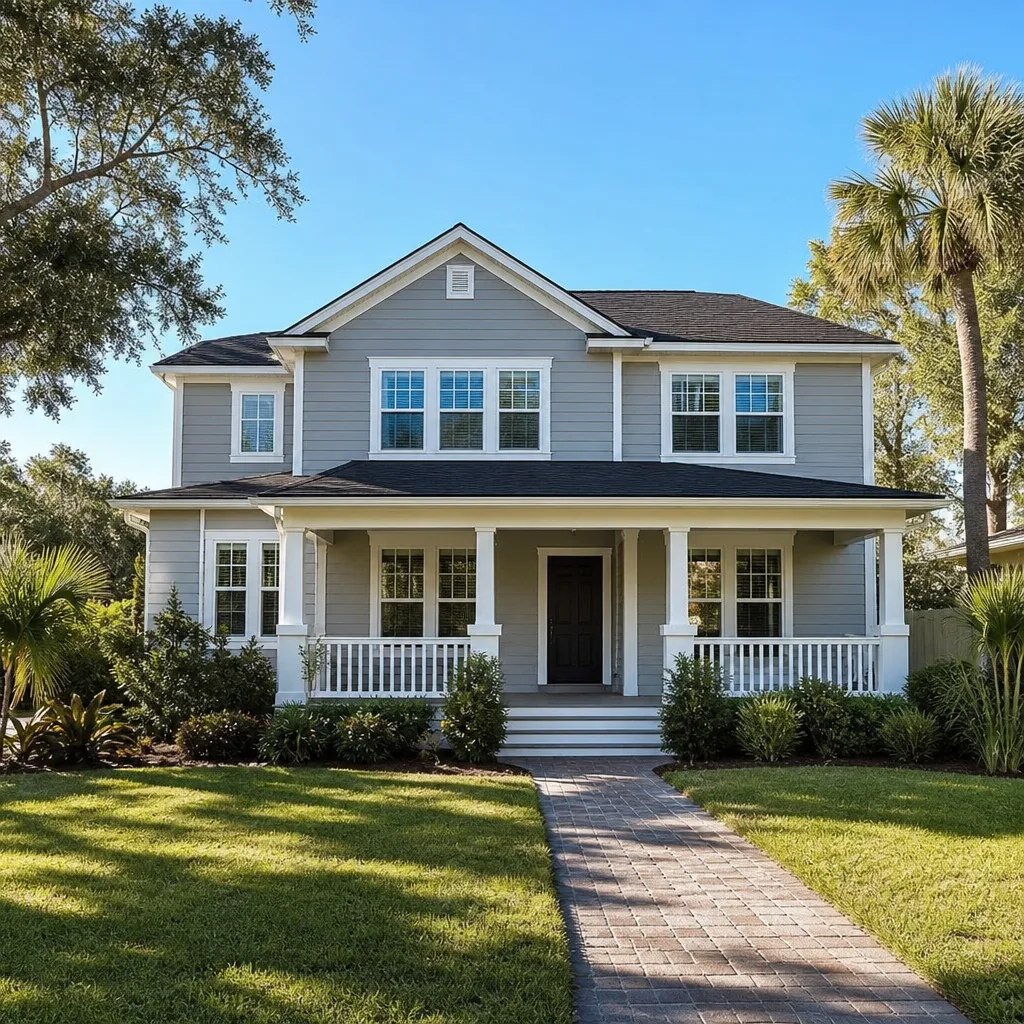
Dvele’s San Diego footprint includes several series lines, and the compatibility question changes depending on which one you own. The original Dvele IQ homes, the newer Dvele Adaptive series, and custom Dvele builds all use the company’s factory panelized system, but the panel dimensions, sheathing type, and structural connection points vary between generations. If you have a Dvele home built before roughly 2020, you’re likely looking at 2×6 panels with dense-pack cellulose or similar insulation. Newer builds often use a different insulation package, which changes how we flash the tie-in point between old wall and new addition.
Before we quote anything, we ask for the home’s original panel schedule or the as-built drawings from Dvele. If those aren’t handy, we identify the generation by opening a small inspection window at the proposed tie-in point and measuring the actual panel depth, stud spacing, and sheathing type. That takes about an hour and tells us whether the addition should be stick-framed to match or panelized to integrate.
For the OEM-versus-aftermarket decision on Dvele homes, the honest answer is that most additions and ADUs do not use Dvele factory panels at all. Dvele doesn’t sell a retrofit addition kit to the public the way an appliance maker sells spare parts. What you’re really buying is aftermarket work, meaning custom framing, sheathing, and flashing that has to be matched to Dvele’s existing envelope by a contractor who’s measured the actual wall. There are quality aftermarket components that work beautifully, but the critical piece is the tie-in detailing, not the brand stamp on the lumber.
Styles & brands we work with







Signs Your Dvele Home Additions & ADU Is Failing
- Water staining at the old wall/new wall junction. If the flashing wasn’t lapped correctly over Dvele’s panelized sheathing, rainwater gets driven into the seam during a San Diego winter storm. It shows up as a faint line on interior drywall within the first rainy season.
- Doors that bind or stick in the new addition. Dvele panels are dimensionally stable, but a conventionally framed addition expands and contracts at a different rate. If the original install didn’t account for differential movement, the door between old and new binds within a year.
- Gaps opening at baseboards or crown molding in the tie-in wall. The old wall and the new wall settle differently. If you see a hairline crack running vertically exactly where the addition starts, the connection detail wasn’t isolated properly.
- HVAC imbalance in the Dvele portion of the house. Dvele homes are unusually tight, and adding square footage changes the air balance. If the original bedrooms now run warm while the addition gets all the air, the damper and return setup wasn’t rebalanced.
- Rattling or buzzing in the wall cavity on windy days. If the exterior sheathing seam between old and new wasn’t tied with the right fastener schedule, the panels work against each other and you’ll hear it before you see it.
See the difference
 Before
 After
After Before
 After
After Before
 After
AfterReplacement Cost & What’s Included
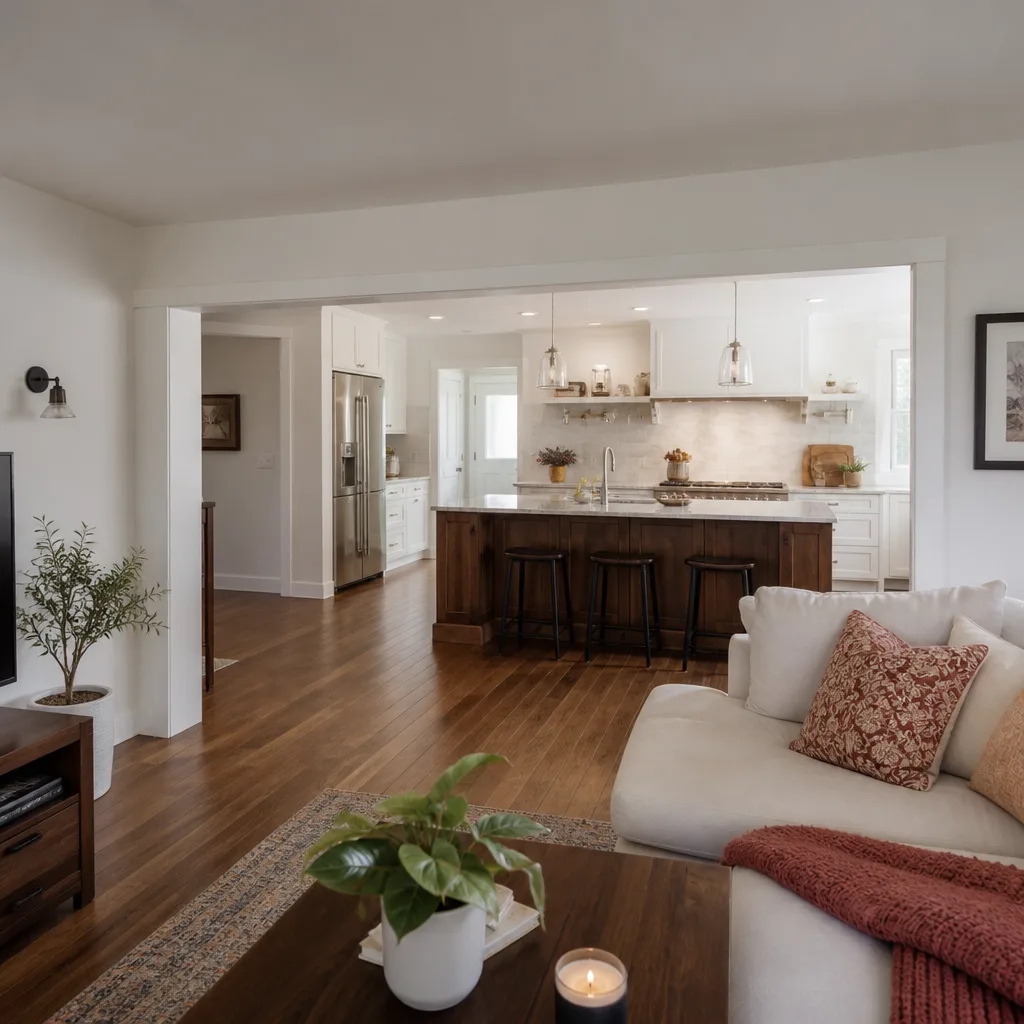
In San Diego, Dvele-compatible home additions run $53,100 to $153,400, and detached ADUs built to Dvele envelope standards run $106,200 to $259,600. The spread comes down to the size of the addition, whether you’re adding a bathroom or kitchen, and how much structural modification the existing Dvele panel system needs to accept the new load.
| Scope | Typical San Diego Installed Range |
|---|---|
| Home addition (one or two rooms) | $53,100 – $153,400 |
| Detached ADU (studio or one-bedroom) | $106,200 – $259,600 |
What drives the number up: cutting into a load-bearing Dvele panel instead of tying under an eave, adding a full bathroom or kitchen to the new space, and soil conditions that require deeper footings. What drives it down: a simple bedroom or office bump-out with no plumbing, and access that lets a mini-excavator get to the footing line without hand digging.
Every quote we write for a Dvele addition or ADU in San Diego includes the framing, sheathing, tie-in flashing, roofing (if the addition has its own roof plane), insulation, drywall, paint-grade finish, and written line-item pricing before any work starts. The Kingswell standard applies: written price up front, defined arrival window, clean job site, and the 365-Day Done Right Promise in writing. If it’s not done right, we come back and fix it at no charge.
DIY or Call Us?
What you can safely do yourself: look at the seam between old and new, check for water staining, test doors and windows for binding, and listen for wall rattle on a windy day. None of that requires a tool, and it gives us a useful starting point when you call.
What you should not do yourself: cut into a Dvele exterior panel, remove sheathing, or attempt to re-flash a leaking tie-in. Dvele’s wall assemblies are load-bearing, and the sheathing is part of the structural system, not a cosmetic layer. Opening one without knowing how the panel transfers load is how a $2,000 flashing repair becomes a $40,000 structural fix. This is the part where Trevor Nash will say it plainly: we’d rather spend an hour looking at it than a week fixing what went wrong after someone guessed.
Tell me what you need, I’ll tell you what it costs, and we’ll go from there. Call (619) 604-9624 and we’ll schedule a walkthrough.
FAQs

A properly tied addition on a Dvele home should last 50 years or more in San Diego’s climate, but the weak point is always the connection between new framing and the original panel. Salt air near the coast accelerates fastener corrosion at flashing points, so we use stainless fasteners within five miles of the water, where it’s not a code requirement but a longevity decision.
Yes, in most cases a leaking seam or binding door junction can be corrected without tearing down the addition. The repair usually involves opening the affected wall section, re-flashing the tie-in with the correct lap order, and installing a movement joint if one was missing. The cost for that type of repair in San Diego typically runs $2,000 to $8,000 depending on how much of the wall has to be opened. Call (619) 604-9624 for an exact quote, estimates are free.
A single-room addition typically takes 10 to 16 weeks from permit approval to final paint, and a detached ADU usually runs 16 to 26 weeks. The Dvele-specific portion, the tie-in and panel integration, is a few days of that total. The rest is the same as any San Diego build: footing, framing, rough-in, drywall, finish.
We don’t stock Dvele factory panels, because Dvele doesn’t supply them through retail channels. What we do carry is the compatible sheathing, flashing profiles, and stainless fasteners needed to tie into a Dvele envelope correctly. That means we’re not waiting on a parts order to start the tie-in work once the permit is in hand.
No, the price we write before work starts is the price on the final invoice, unless you change the scope. That’s the Kingswell standard, and we put it in writing on every Dvele addition and ADU project in San Diego.
If your Dvele home addition or ADU is showing signs of a failing tie-in, or you’re planning new square footage and need a contractor who understands panelized construction, call Penhallow Remodeling San Diego at (619) 604-9624 for a free walkthrough and written estimate. We also work on homes with KraftMaid cabinetry, Cambria quartz, and Silestone surfaces, so the finishes inside the addition will match the rest of the house.
Written by Trevor Nash, Owner, Penhallow Remodeling San Diego at Penhallow Remodeling San Diego, serving San Diego and nearby areas.


