

Free written scope consultation - allowances, timeline, and change-order rules on paper before a single trade is scheduled
Delta Home Additions & ADU: The San Diego Owner’s Guide
If you’re planning a Delta-style home addition or ADU in San Diego, the installed cost typically lands between $53,100 and $153,400, depending on square footage, site work, and finish level. We handle the full build, from foundation to final paint, and we match the Delta hardware and fixtures you want into the layout your property can support. Most owners call us after they’ve spent months juggling plans, permits, or a general contractor who stopped answering, and they’re ready for a written number before anyone swings a hammer.
The good news: a home addition or ADU isn’t a single part that fails. It’s a system of parts, from the framing and roofline to the Delta plumbing trim and door hardware you specify. The bad news: when one piece of that system was never planned correctly, everything built on top of it suffers. That’s the failure pattern we see most in San Diego: additions that looked fine for a year, then started showing cracks at the tie-in, or an ADU that wasn’t properly flashed where the new roof meets the old one. We fix the planning problem first, then build it right.
Which Delta Models This Applies To
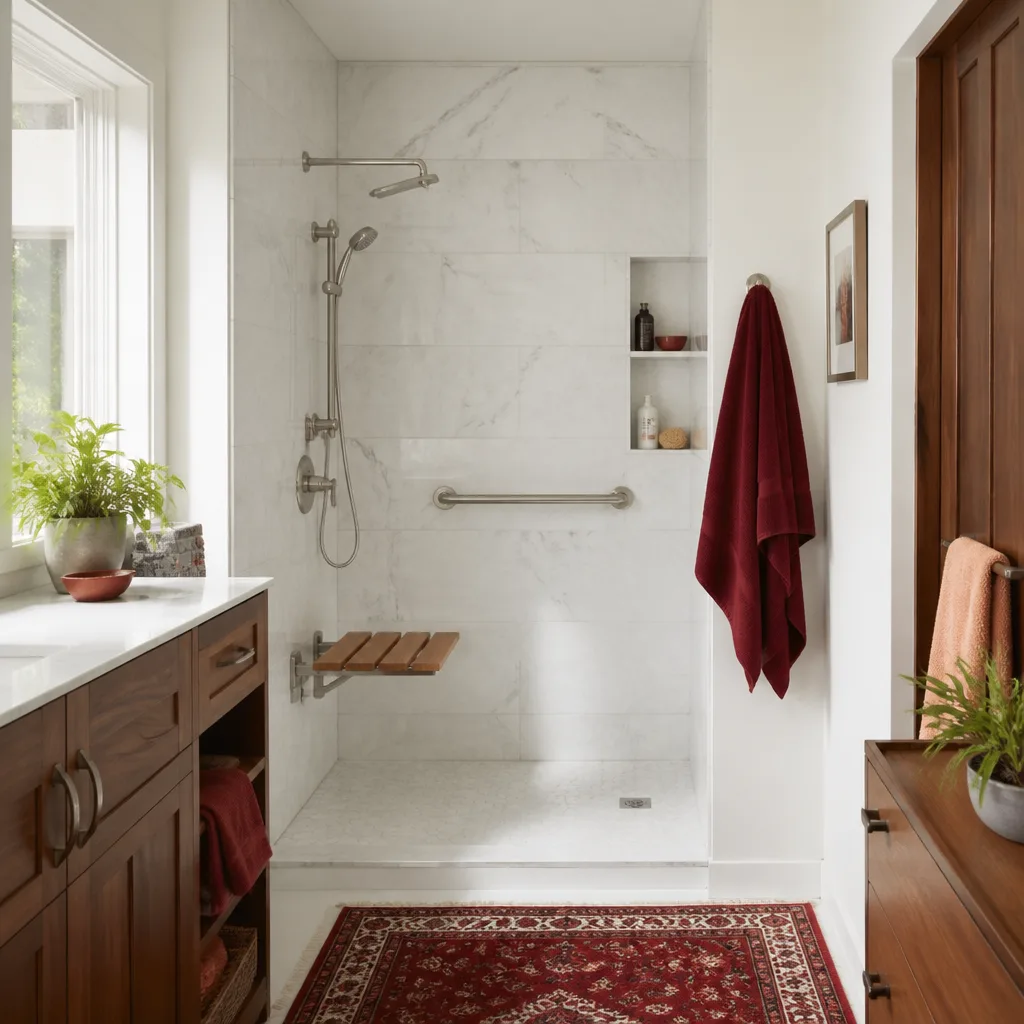
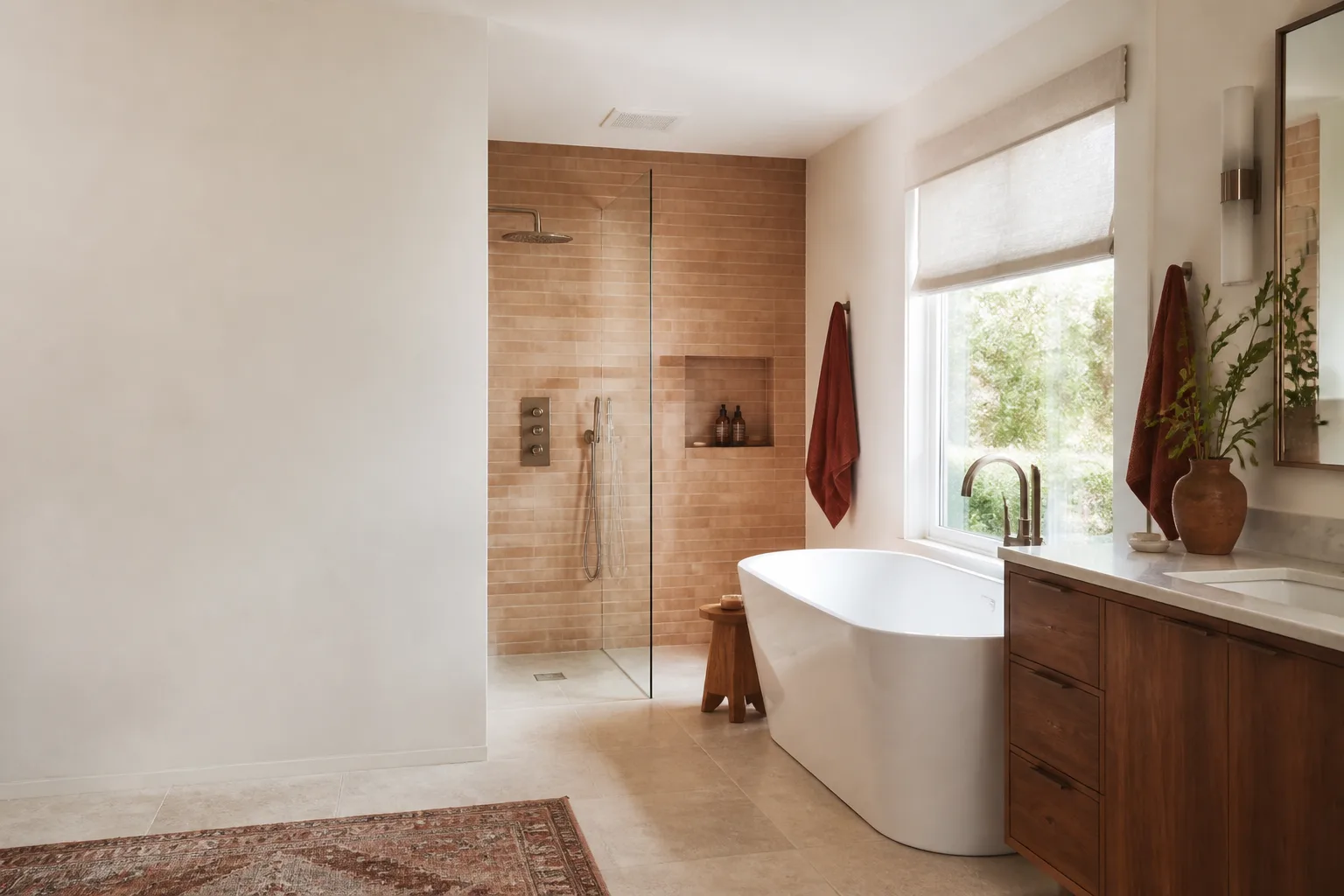
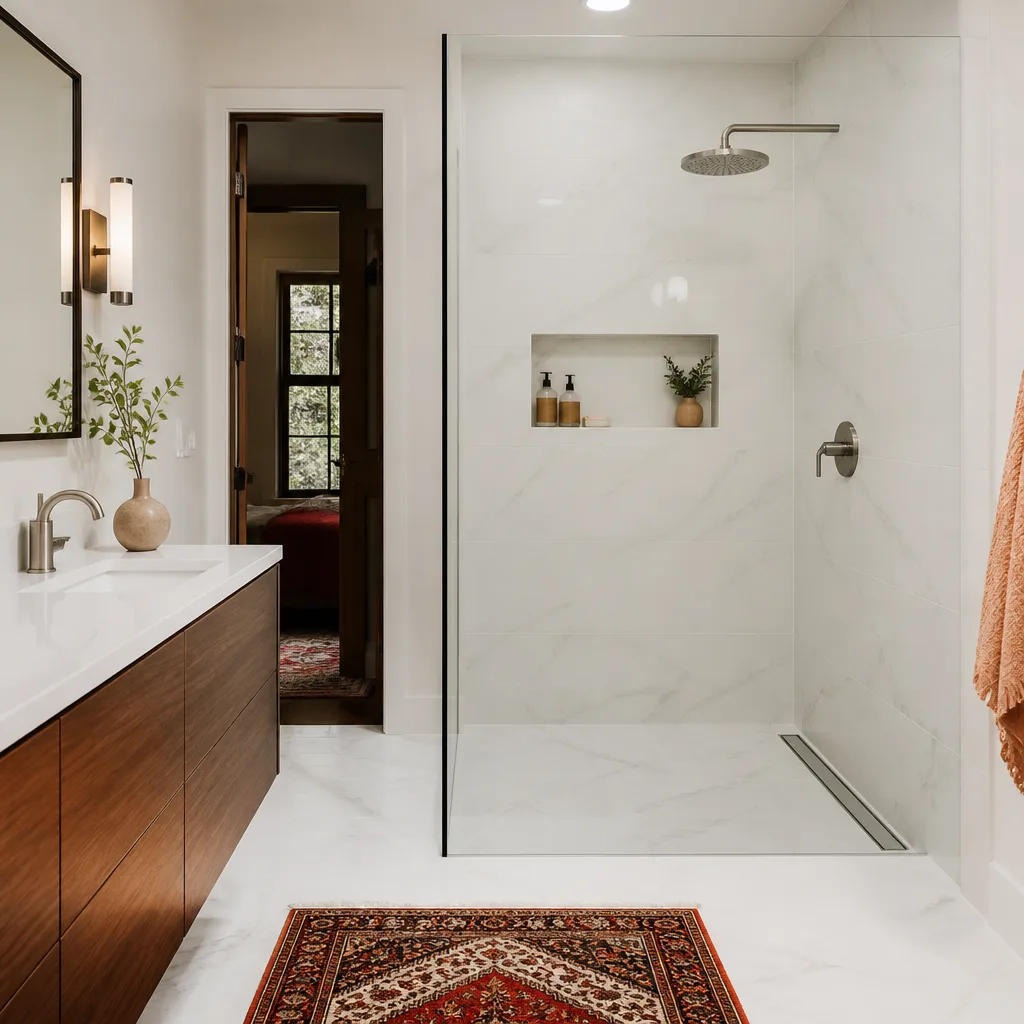
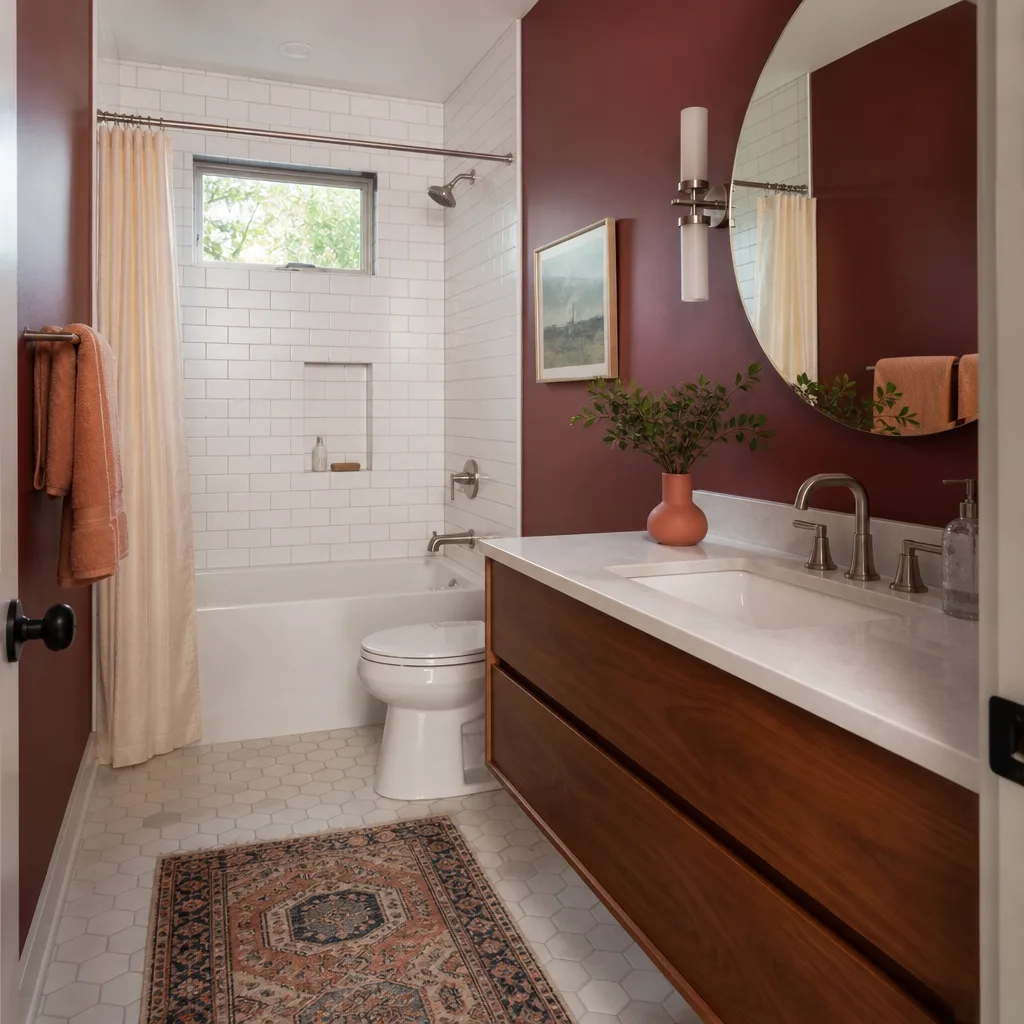
Delta doesn’t make a single home addition product the way it makes a faucet or a shower valve. You’re choosing Delta components inside a structure we build. That means this page applies to any addition or accessory dwelling unit where you want Delta brand fixtures, hardware, and plumbing trim installed correctly. The relevant Delta product lines include the Lahara, Trinsic, and Cassidy bathroom collections, along with their matching tub and shower trims. Each collection uses different rough-in valves, and here’s the gotcha: a Delta shower trim from one collection will not always fit the rough-in valve from another. The Trinsic line, for example, uses the MultiChoice Universal Valve, which accepts a wide range of Delta trims, but the older Monitor series rough-ins won’t accept newer finishes without an adapter. Before you buy trim online, confirm the rough-in model behind the wall. We check that on every walkthrough.
For an addition or ADU, the Delta conversation usually starts after the floor plan is set. We’ll spec Delta trim kits that match your rough-in valves, select the right transfer valves for dual shower systems, and install everything so the finished wall sits flush with the escutcheon plate. On the aftermarket side, there are plenty of knockoff Delta trims floating around San Diego supply stores. They’re priced lower, but the plating is thinner and the cartridge seats are softer. For a fixture buried inside an ADU wall, that’s a false economy. We use OEM Delta trims and cartridges on our jobs. If a homeowner already bought aftermarket parts, we’ll install them and note the warranty difference in writing, but our recommendation is OEM.
Styles & brands we work with







Signs Your Delta Home Additions & ADU Is Failing
- Water stains or soft drywall at the new tie-in point: This is the classic sign of a poorly flashed roof or wall connection between old and new construction. In San Diego, the winter rains make this show up fast. The water is usually entering where the new roofline dies into the old one.
- Cracks spreading from the foundation seam: A small settling crack is common within the first year. A crack that opens past a quarter inch, or one that runs diagonally from a corner, points to a deeper issue with footing depth, soil compaction, or missing steel. On San Diego’s expansive clay soils in areas like Clairemont and parts of El Cajon, this is exactly what happens when a foundation was designed on paper but not for the actual dirt on the lot.
- Delta shower trim leaking around the plate after a few months: Usually, the rough-in valve wasn’t set at the correct depth for the finished wall thickness. The trim plate seats against the wall, but the cartridge can’t seal properly. It’s a fixable mistake, but it means opening the wall to adjust the valve body.
- Doors or windows in the addition sticking or binding: Small movement in framing over the first year is expected. Persistent binding usually means the header wasn’t sized for the span, or the rough opening wasn’t square. This is the kind of failure that starts as an annoyance and ends as a re-install.
- Uneven floors where the addition meets the original house: A half-inch difference at the transition suggests the floor system wasn’t matched to the existing structure, or the foundation settled. In a finished ADU, this shows up as a visible step-down, doors that swing on their own, and cracked tile grout near the seam.
See the difference
 Before
 After
After Before
 After
After Before
 After
AfterReplacement Cost & What’s Included
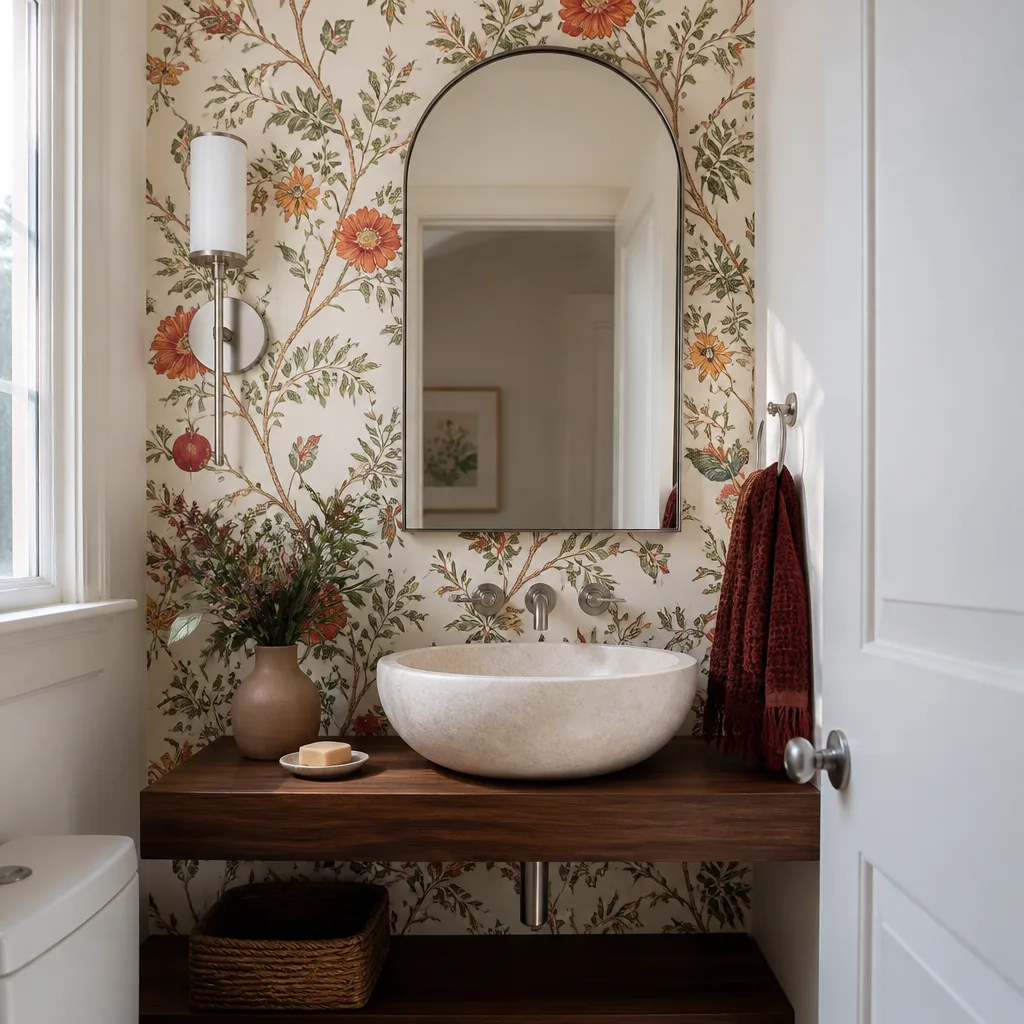
In San Diego, a full home addition runs $53,100 to $153,400. An accessory dwelling unit, built from the ground up with its own kitchen, bath, and utilities, lands between $106,200 and $259,600. The spread comes down to square footage, site access, and the Delta fixture package you choose. A 400-square-foot studio ADU with a single bath and a Delta Lahara shower will sit near the bottom of that range if the lot is flat and the utilities are close. A 1,200-square-foot two-bedroom with a second bath, upgraded Delta Trinsic trims, and a new electrical subpanel will push toward the top.
Every quote from Penhallow Remodeling San Diego includes the written price before work starts. That number covers permits, site prep, foundation, framing, roofing tie-ins, drywall, paint, and the plumbing and electrical rough-ins. The Delta trim packages get priced as a line item, so you see exactly what the hardware costs. If the job changes, we revise the written number before the change happens, not after. Our 365-Day Done Right Promise covers the work for a full year. If something shifts, cracks, or leaks inside that window, we come back and make it right at no charge. That promise is in writing, and it applies to the entire structure as well as the Delta fixtures we install.
DIY or Call Us?
You can safely check a few things yourself: look for visible cracks at the foundation seam, check for water stains at the roof tie-in after rain, and run your hand along the wall around any Delta shower trim to feel for moisture. That’s diagnosis. Actually repairing the framing, reflashing a roofline, or resetting a shower valve inside a wall is not a weekend job, and it’s not safe to guess at structural loads or waterproofing details from a YouTube video. We’ve been called out to more than one San Diego addition where a homeowner’s fix made the water problem worse, because the issue wasn’t where they thought it was.
If you’re seeing any of the signs above, call us at (619) 604-9624. We’ll walk the existing space, measure what’s there, and tell you what’s actually wrong. Tell me what you need, I’ll tell you what it costs, and we’ll go from there. The quote is written, and it’s free.
FAQs
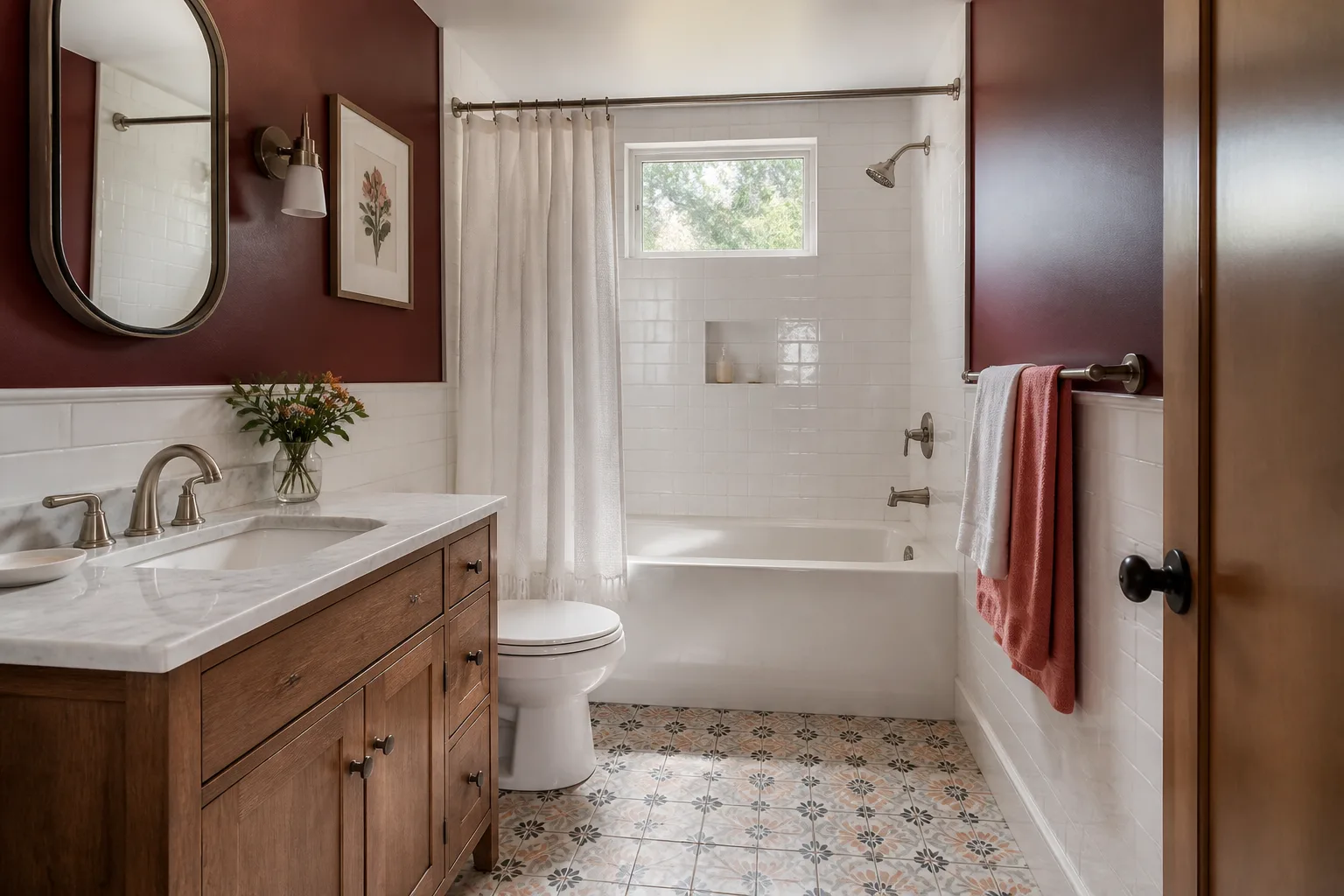
An OEM Delta shower cartridge typically lasts 8 to 12 years in San Diego before it starts dripping or becomes hard to turn. That number drops fast if the water pressure is consistently above 80 psi, which is common in neighborhoods fed by steep hilltop pressure zones. We recommend a pressure regulating valve on ADUs in areas like Point Loma or La Mesa, where municipal pressure spikes are normal. If you’re replacing a Delta cartridge and want us to handle it, the visit is quick. Call (619) 604-9624 and we’ll get you on the schedule.
In most cases, yes, the tie-in can be repaired without tearing down the addition. The fix depends on what failed. If water is coming in at the roofline, the proper repair is removing the affected siding or roofing, installing new flashing, and sealing the lap correctly. That’s a day or two of work. If the foundation itself is moving beyond normal settlement, the conversation changes, and we’ll need a structural engineer’s opinion before we quote a number. Call (619) 604-9624 for a free estimate, and we’ll tell you which situation you’re in.
A single-story home addition typically takes 4 to 7 months from permit submittal to final inspection. A detached ADU runs 6 to 10 months, depending on utility trenching and the city or county review timeline. The City of San Diego has streamlined ADU permits in recent years, but site constraints like slope, drainage, or a long sewer run to the street can add weeks. We’ll give you a realistic schedule in writing before we start. Call (619) 604-9624 to talk through your lot and your timeline.
We keep the common Delta cartridges, pressure balance units, and trim adapter kits on the truck, along with the standard MultiChoice rough-in valves our crews install every week. For finishes and specialized trims, we order from our San Diego supply partners, usually within two to three business days. If you need a specific Delta trim matched to an existing valve, we’ll verify the rough-in model before we order anything. Call (619) 604-9624 and tell us what you’re looking for. We’ll check what we have and get you a straight answer.
Call (619) 604-9624 for a free, written estimate on your San Diego home addition or ADU.
Written by Trevor Nash, Owner, Penhallow Remodeling San Diego at Penhallow Remodeling San Diego, serving San Diego and nearby areas.


