
Free written scope consultation - allowances, timeline, and change-order rules on paper before a single trade is scheduled
CWS Home Additions & ADU: The San Diego Owner’s Guide
A full home addition or ADU in San Diego typically runs $53,100–$153,400, and a detached ADU starts around $106,200 depending on site conditions, utility runs, and finish level. That’s the honest range we put in writing before anyone swings a hammer. Most San Diego homeowners we talk to are at the point where the CWS plan set is already drawn, but they need a contractor who will price the work honestly and stand behind the framing, the roof ties, the foundation — the whole build.
This is not a vendor page. Penhallow Remodeling San Diego is an independent general contractor — we are not affiliated with CWS. But if you’re holding CWS prints for a home addition or an ADU and want them built right in San Diego, the rest of this page is for you. The usual discovery point is when owners realize the plans call for specific structural tie-downs, shear wall panels, or foundation details that a general remodeler may never have priced correctly — or priced at all.
Which CWS Models This Applies To
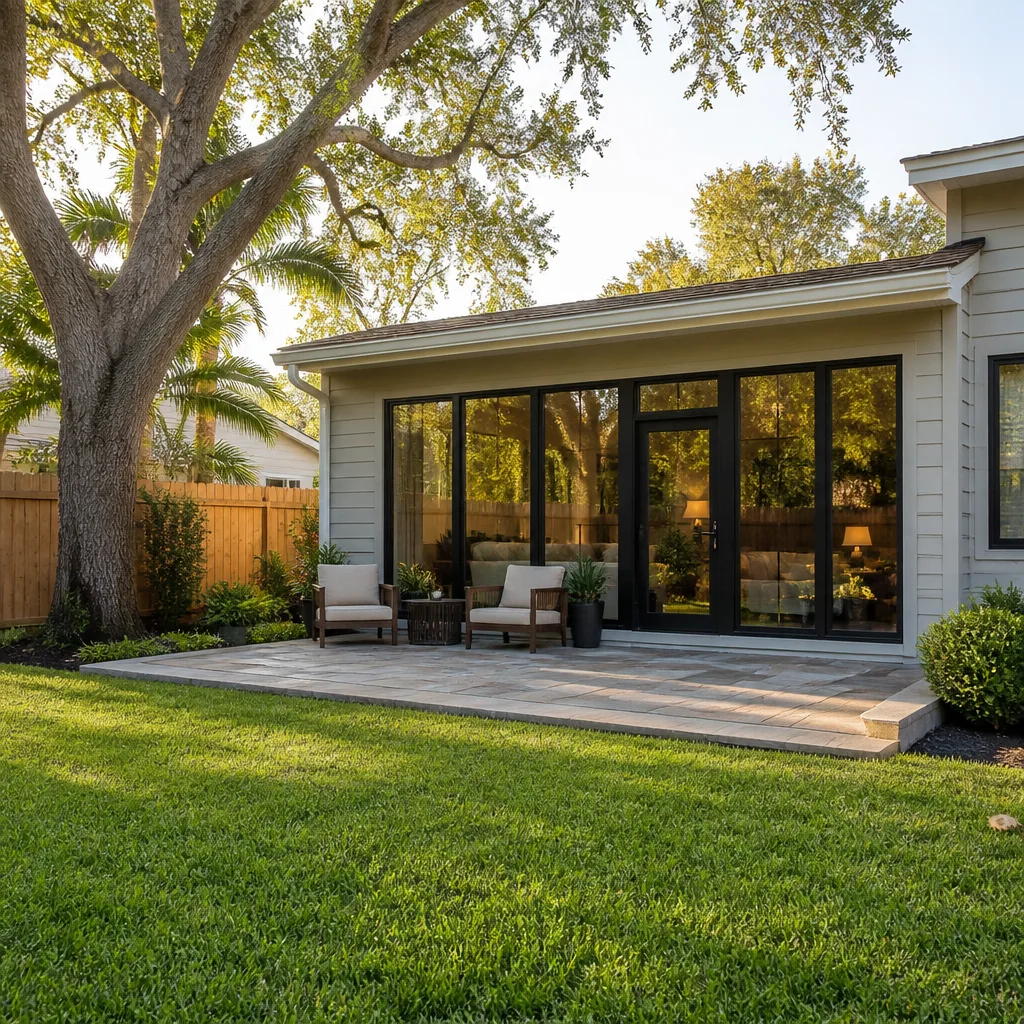
CWS home additions and ADU plans in Southern California are drafted around California Residential Code Title 24, which means the structural package matters more than the floor plan when it comes to build cost and longevity. If your CWS design calls for Simpson Strong-Tie connectors, hold-downs at shear wall ends, or engineered lumber headers, you need a remodeler who reads those details on the print and prices them explicitly — not one who finds them halfway through framing and sends a change order.
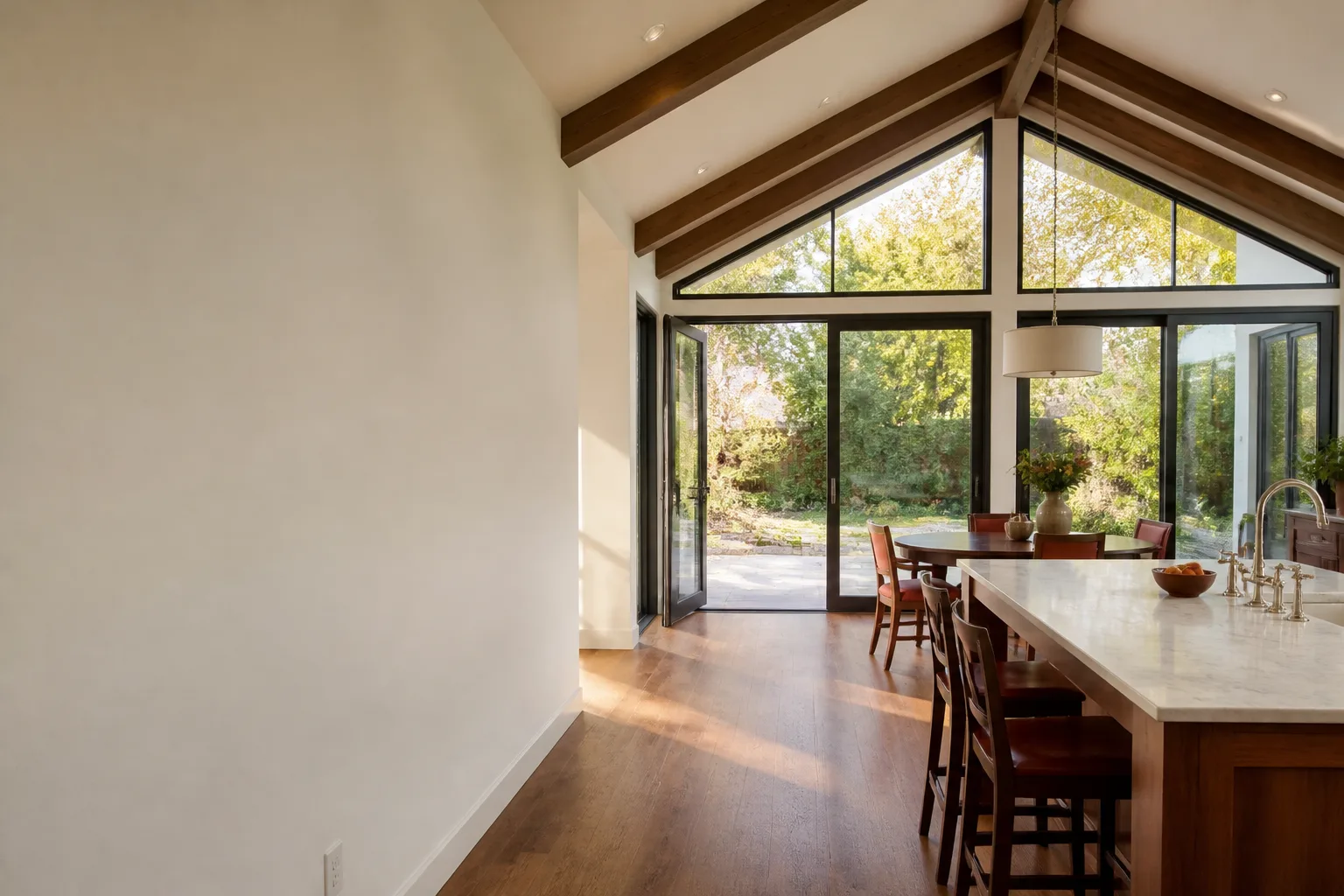
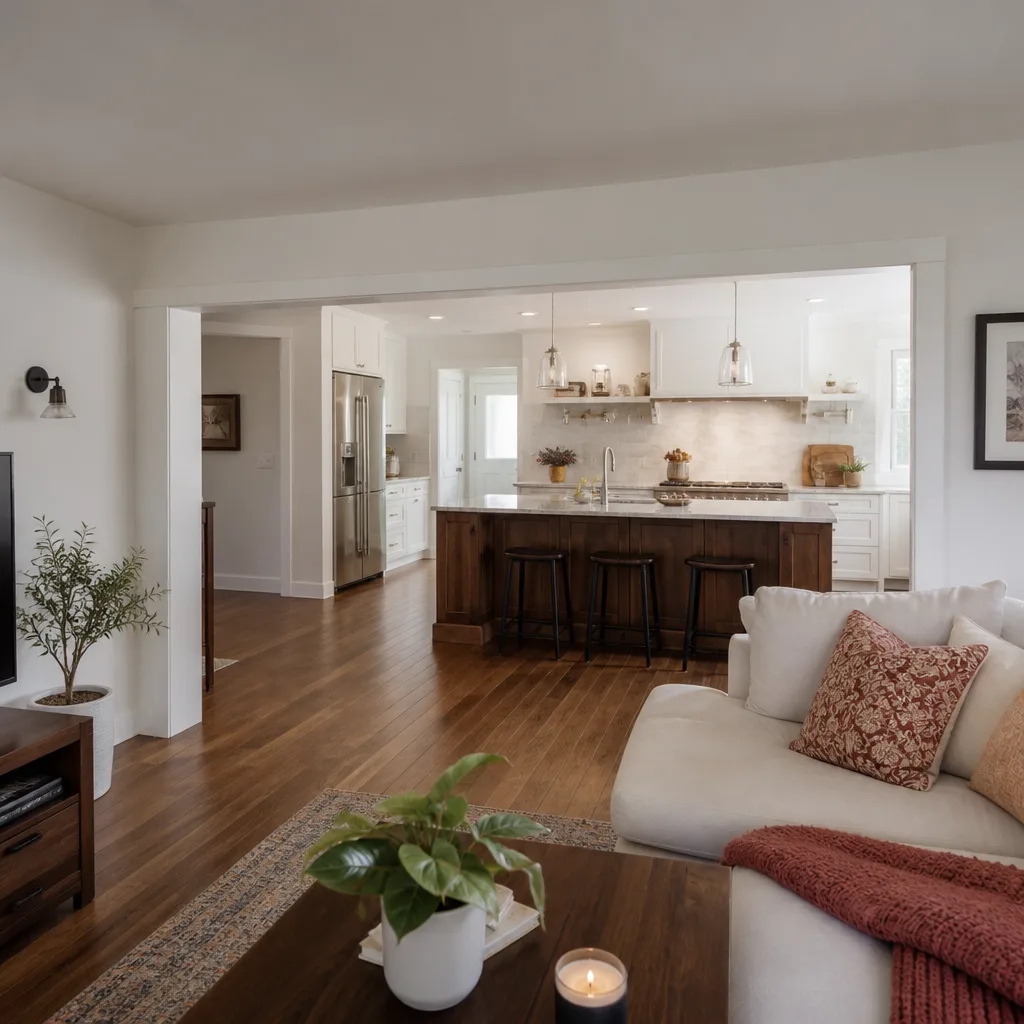
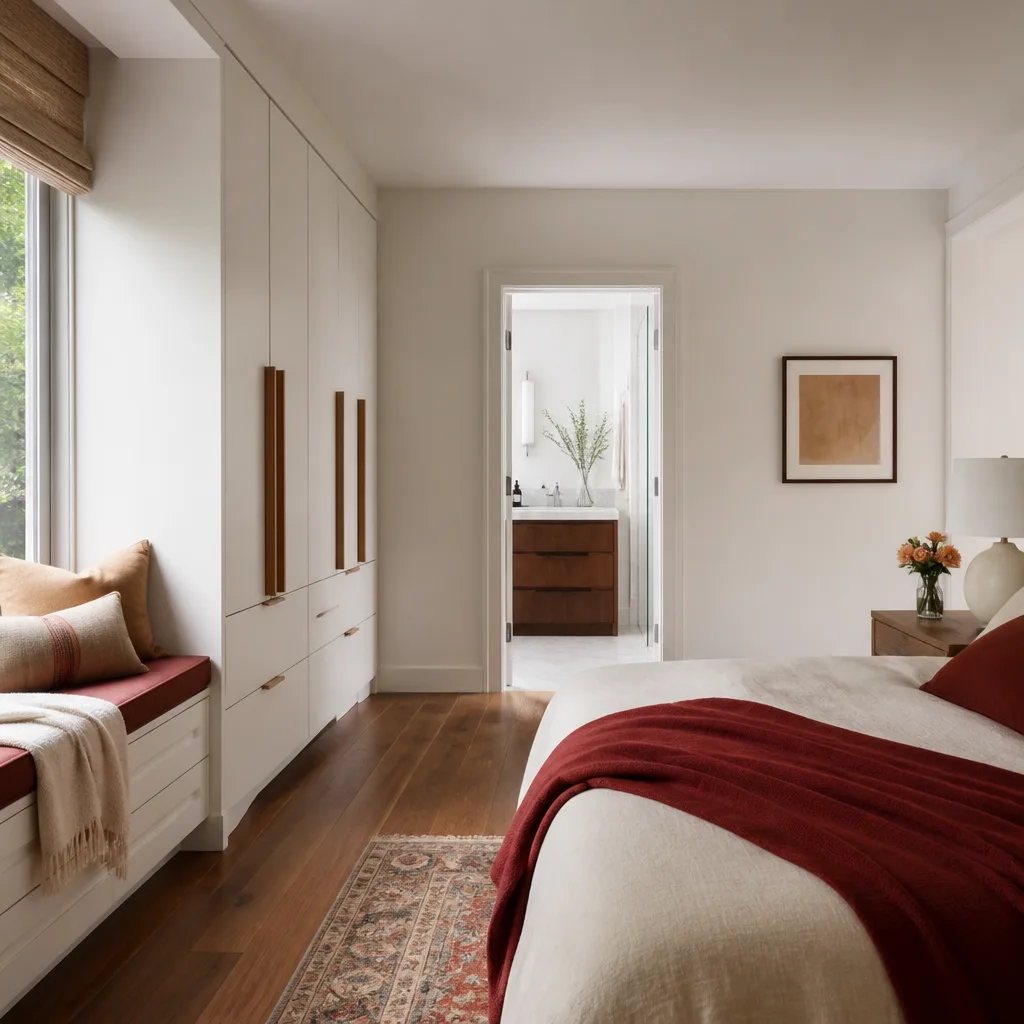
We build CWS-drawn additions and ADUs of all sizes across San Diego: attached primary suite additions, second-story bump-outs, garage conversions drawn as ADUs, and detached one- and two-bedroom units. The compatibility question isn’t really about the plan set brand — it’s about whether the contractor can read the engineering schedule, pull the right permit at the City of San Diego Development Services Department, and build to the exact detail CWS specified. We do, and we explain what’s in the wall before we open it.
For materials, we spec from the same trade brands we use on kitchens and baths: James Hardie siding for coastal San Diego moisture resistance, Therma-Tru exterior doors, Simpson structural connectors, and KraftMaid, Cambria, or Silestone for interior finishes when the CWS plan calls for them. One compatibility note: CWS ADU plans often reference 2×6 exterior wall framing for Title 24 insulation compliance. If a bidder prices 2×4 walls, the number looks cheaper and the build won’t pass inspection. We price what’s on the sheet.
Styles & brands we work with







Signs Your CWS Home Additions & ADU Is Failing
If you already have a CWS-designed addition or ADU on your San Diego property and something feels off, here’s what we typically find when we walk the job:
- Doors or windows that stick or won’t latch. In San Diego’s clay-heavy soils, minor foundation movement is common, especially in neighborhoods like Clairemont, Normal Heights, and parts of Chula Vista. A sticking door often means a footing settled or a shear panel shifted. It’s rarely just humidity.
- Drywall cracks at the corners of windows or where the addition meets the original house. The seam between old framing and new framing moves. If the CWS plan called for a proper slip joint or expansion detail and the builder skipped it, you’ll see a diagonal crack within two or three years.
- Water staining at the roofline where the addition ties into the main house. That’s the classic failure point. The flashing detail between existing roof and new roof is where we get called back most often on other builders’ work.
- Floor bounce or soft spots in the ADU or addition. If the joist schedule on the CWS print said 2x10s at 16 inches on center and the framing crew used 2x8s at 24, you’ll feel it when you walk across the room. This one can be costly to correct after drywall and flooring are in.
- Electrical outlets that trip breakers or lights that flicker when the mini-split kicks on. A properly wired ADU subpanel should handle its load without dimming the main house. If it doesn’t, the panel was undersized or the feed wasn’t separated correctly.
See the difference
 Before
 After
After Before
 After
After Before
 After
AfterReplacement Cost & What’s Included

For a CWS home addition in San Diego, expect $53,100–$153,400 depending on square footage, site access, foundation type, utility trenching, and interior finish level. A detached CWS-drawn ADU runs $106,200–$259,600 when you include the foundation, utility connections, Title 24 upgrades, and the finish package.
Two things genuinely move the number up in San Diego: hill work and utility runs. A 400-square-foot ADU on a flat Tierrasanta lot is one kind of build. The same ADU on a steep slope in La Mesa or Rancho San Diego with a 60-foot trench to the sewer main is another thing entirely. You should see those costs as line items on any serious bid.
Our price is a written, itemized number before we pull the permit. It includes the permit set, structural work, rough and finish plumbing, electrical, HVAC, insulation, drywall, paint, flooring, and the written 365-Day Done Right Promise on the whole build. If something fails inside that year, we come back and make it right at no charge. No re-inspection fee, no service call. That’s the guarantee, and it’s in the contract.
DIY or Call Us?
Home additions and ADUs are not DIY projects, and any San Diego contractor who suggests you can pull an owner-builder permit on an attached addition — with foundation work, shear walls, roof ties, and electrical — is not doing you a favor. Framing errors on a load-bearing wall, tie-downs torqued wrong, or shear panel nails spaced too far apart can fail during a seismic event, and by then the drywall hides the evidence. This is structural work, full stop.
What you can do safely is walk your property with the CWS plans and check whether the site conditions match the drawing. Look at your utility panel capacity compared to the ADU subpanel the plans call for. Check whether your sewer line runs where the CWS foundation overlay assumes it does. Walk the area where a retaining wall or pad cut appears on the plan. If it doesn’t match what’s actually in your yard, call us. Trevor Nash has spent two decades running remodeling crews across San Diego, from Mission Hills condo work to full gut-renovations near Balboa Park, and the first thing he’ll tell you is whether the plans fit the dirt. The second thing is what it costs. Call (619) 604-9624 and we’ll walk it with you.
FAQs

A properly built addition or ADU in San Diego should remain structurally sound for 50 years or more, with the roof, windows, and exterior cladding on a 20–30 year replacement cycle. Coastal exposure in Ocean Beach, Point Loma, and Imperial Beach accelerates corrosion on metal connectors and flashing, so what fails first near the water is usually the flashing or the exterior hardware — not the framing. Ground movement in clay-soil neighborhoods like Clairemont can shift footing alignment sooner. Call (619) 604-9624 if you’re seeing movement signs — we’ll give you an honest read on whether it’s structural or cosmetic.
Most CWS additions and ADUs can be repaired rather than rebuilt, and the repair usually costs far less than the original build. Foundation issues can be addressed with piering or slab jacking. Roof-to-house flashing failures are repairable in a day or two. Shear wall corrections, joist sibling, and subpanel upgrades are all standard repair work we do in San Diego. The only cases where “rebuild” makes sense are when the structural framing was so far off the CWS plan that correcting it costs more than removing and reframing. We’ll tell you which bucket you’re in before you spend a dollar.
An attached home addition in San Diego typically takes 4–8 months from first permit submission to final inspection, and a detached CWS ADU usually runs 6–12 months depending on site work, utility trenching, and inspection scheduling. The variable nobody tells you about is the City of San Diego Development Services plan check queue, which changes by quarter. We give you a written schedule with a defined arrival window at every phase — the same way we give a written price — so you aren’t guessing what happens next.
Yes. We pull the permits under our license, we handle the plan check corrections directly with the City of San Diego, and we schedule every inspection from rough framing through final. We do not hand you an owner-builder permit and walk away. If the CWS plan set needs a structural revision or a Title 24 energy recalculation, we tell you before the permit is submitted, not after the first inspection fails. Call (619) 604-9624 for a free estimate on your CWS addition or ADU in San Diego.
Written by Trevor Nash, Owner, Penhallow Remodeling San Diego at Penhallow Remodeling San Diego, serving San Diego and nearby areas.


