

Free written scope consultation - allowances, timeline, and change-order rules on paper before a single trade is scheduled
Cover Home Additions & ADU: The San Diego Owner’s Guide
If you own a Cover-built home and the addition or ADU is showing its age, we install and service Cover-compatible home additions and accessory dwelling units throughout San Diego. A full home addition in San Diego typically runs $53,100 – $153,400 installed, with ADU construction landing between $106,200 and $259,600 depending on size, foundation work, and finish level. Most owners discover they need this work when doors stop squaring in their frames, drywall cracks appear at header joints, or the roof line shows visible sag over the original footprint.
We’re an independent remodeling contractor serving San Diego, not a Cover affiliate. That means we price the work honestly, source materials from trade brands we trust, and stand behind every job with a written guarantee.
Which Cover Models This Applies To
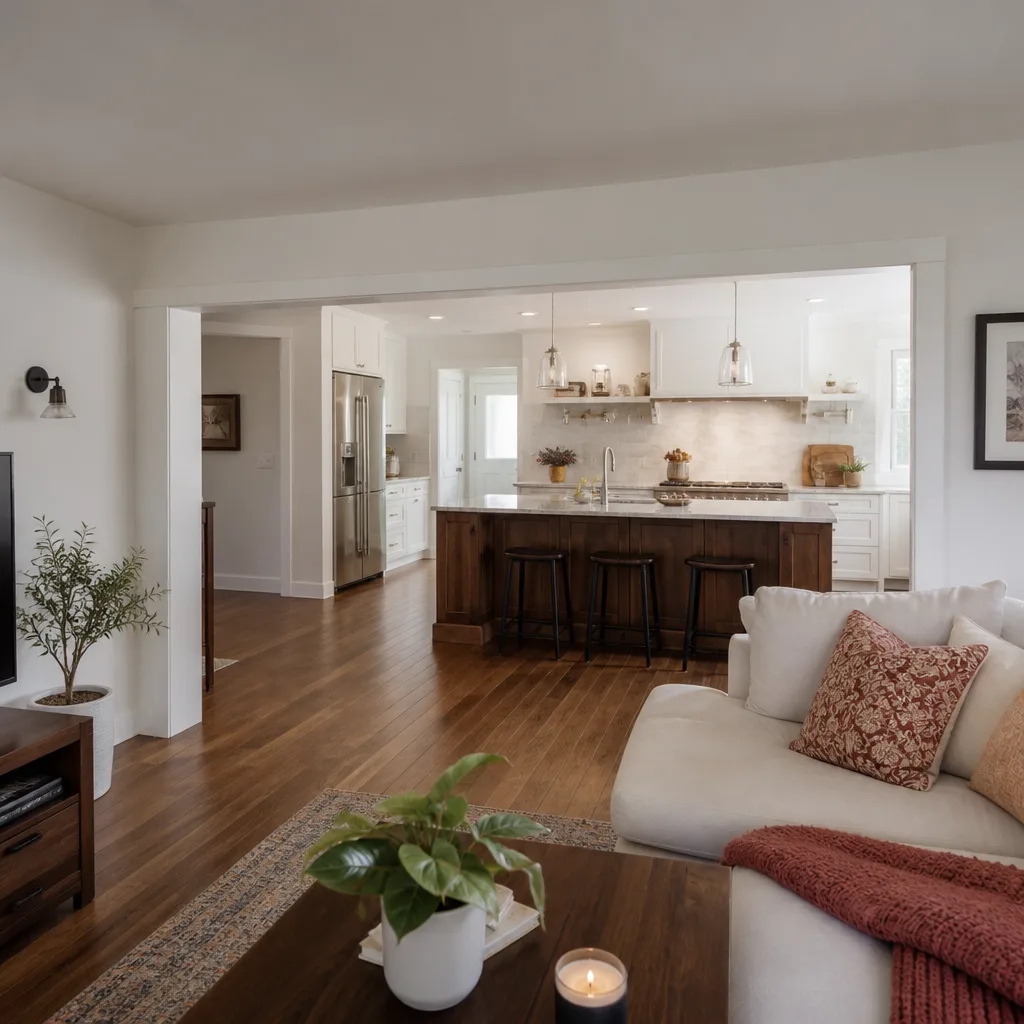
Cover homes are panelized builds, which means the original structure arrived as factory-cut sections assembled on your slab. That matters when you’re adding square footage or building an ADU. The connection points between the original Cover framing and new construction are where compatibility gets tricky. Panelized walls often use 2×4 framing at 24 inches on center in select wall sections, while San Diego’s current building code requires 2×6 exterior framing at 16 inches on center for new additions in most zones. A contractor who doesn’t check that before pulling permits will either build an under-spec wall or spend a week reframing at your expense.
For Cover homeowners, the practical question is whether to match the original panelized system or build the addition as conventional stick framing with a clean tie-in. We recommend conventional framing with structural connectors at every connection point. It’s stronger, easier to inspect, and honestly, it’s what San Diego building inspectors expect to see. The other gotcha: Cover’s original wall sections sometimes use a proprietary channel at the floor plate. You can’t buy that channel at a supply house, which means the tie-in detail has to be engineered, not copied. We handle that in the plan set before the first permit is filed.
Styles & brands we work with







Signs Your Cover Home Addition or ADU Is Failing
- Doors that won’t latch or stick at the top corner. This usually means header sag or foundation settlement at the transition point where the addition meets the original Cover structure. The two sections settle at different rates, and the door is the first place that shows it.
- Drywall cracks running diagonally from window corners. Diagonal cracks, as opposed to vertical seam cracks, point to shear movement. On San Diego hillsides, this is often tied to soil creep or poor drainage at the addition’s perimeter.
- A visible gap or step in the roofline where the addition ties in. That’s a flashing failure or structural movement. Either way, water follows the gap, and San Diego’s rainy season will find it.
- Floor slope you can feel when walking from the original house into the addition. A quarter-inch over ten feet is annoying. A half-inch is structural. We check with a laser level, not a marble.
- Moisture stains or soft drywall at the bottom of addition walls. Panelized construction relies on factory seals that age out. Once the sill plate wicks water, the repair expands from a patch to a rebuild faster than you’d think.
Replacement Cost & What’s Included

In San Diego, a full home addition runs $53,100 – $153,400. A detached ADU starts around $106,200 and can top $259,600 for a two-bedroom unit with a kitchen and full bath. That’s not a bid, it’s the range we see for permitted work with real materials. The spread comes down to three things: size, site conditions, and finish level. A 400-square-foot addition on flat ground with builder-grade finishes sits at the low end. A 1,200-square-foot primary suite addition on a canyon lot with Cambria quartz in the bath sits at the top.
Every quote we write includes the line items for inspection, structural engineering, contractor-grade demolition where needed, rough framing with Kiln-dried lumber, sheathing with shear-rated OSB, roofing tie-in with proper underlayment, rough-in for plumbing and electrical, drywall and finish carpentry, and final trim-out with the specific cabinet, countertop, and fixture brands named in your contract. No allowances with a “to be determined” price tag. Trevor Nash reviews every plan and every number before it reaches your kitchen table.
The price on day one is the price on the invoice. If something fails within the first year, we come back and make it right at no charge. That’s the 365-Day Done Right Promise, and it’s in writing on every job.
See the difference
 Before
 After
After Before
 After
After Before
 After
AfterDIY or Call Us?
You can check the basics yourself: walk the perimeter after a rain and look for ponding water, note any new drywall cracks with a pencil mark and date, and keep an eye on how doors behave as the seasons shift. That’s useful information for us to have.
What you should not DIY is opening up walls at the tie-in point, shoring a sagging header, or doing any electrical or plumbing work behind an addition. Those aren’t cosmetic. A mis-measured structural connection can fail quietly for years, and the repair after movement becomes a full rebuild. Call us instead. Tell me what you need, I’ll tell you what it costs, and we’ll go from there.
Call (619) 604-9624 and we’ll schedule a walkthrough. You’ll get a written price, a defined arrival window, and a clean job site. That’s how we’ve operated under The Kingswell Way since 2004.
FAQs
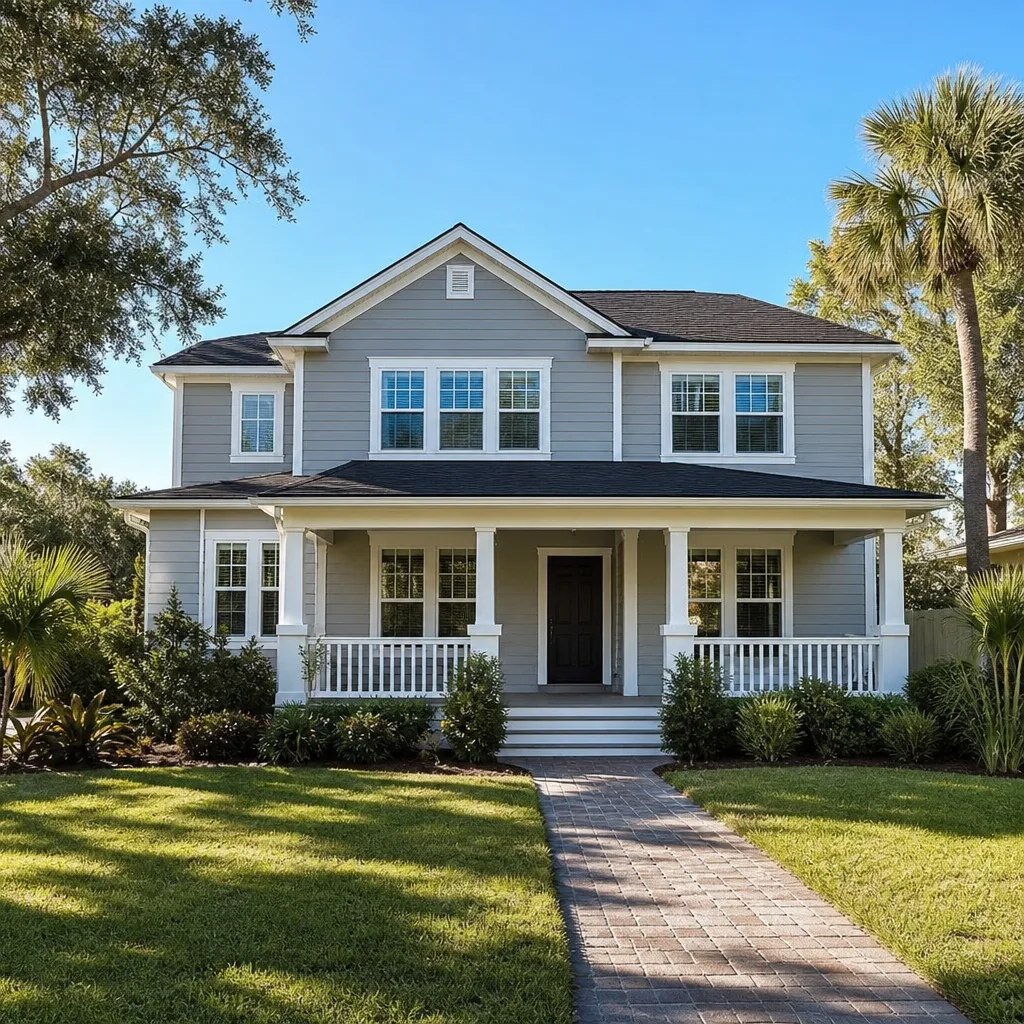
A properly built addition with a code-compliant tie-in should last 50 years or more before needing structural attention. The weak points are flashing at roof transitions and drainage at the foundation, which typically need maintenance every 10 – 15 years in San Diego’s dry-wet cycles.
Yes, when the issue is caught at the flashing, drainage, or cosmetic cracking stage. Once structural movement has occurred at the tie-in point, partial removal and rebuild is usually the honest fix. Call (619) 604-9624 and we’ll tell you straight which category you’re in.
Plan for 4 – 8 weeks for an attached addition and 3 – 6 months for a detached ADU, depending on permitting review times with the City of San Diego and your neighborhood’s design requirements. We spell out the timeline in the written quote, including any hold points for inspection.
We work with a supply chain that includes KraftMaid and Wellborn cabinetry, Cambria and Silestone countertops, and Kohler and Moen fixtures, and we coordinate structural and tie-in components through our lumber and engineering suppliers. We don’t carry a warehouse full of panelized Cover-style wall systems because we build to current San Diego code with conventional stick framing at the tie-in, which is the better approach for durability and inspections.
Key Takeaways
- Cover home additions and ADUs in San Diego carry specific tie-in challenges that require a contractor who checks the original framing specs before quoting.
- Installed pricing ranges from $53,100 – $153,400 for home additions and $106,200 – $259,600 for ADU construction, with the spread driven by size, site conditions, and finish choices.
- We put the price and the 365-Day Done Right Promise in writing before any work starts, so the number you approve is the number you pay.
- We’re independent from Cover, background-checked, and uniformed on every job.
- Call (619) 604-9624 to schedule a free walkthrough and written estimate.
Penhallow Remodeling San Diego serves homeowners across San Diego, including Mission Hills, North Park, Clairemont, La Jolla, and surrounding neighborhoods. We source materials from trade brands like KraftMaid, Cambria, and Silestone, and every job follows The Kingswell Way: a written price before the work, a real arrival window, and a written guarantee on the finished job.
Written by Trevor Nash, Owner, Penhallow Remodeling San Diego at Penhallow Remodeling San Diego, serving San Diego and nearby areas.


