
Free written scope consultation - allowances, timeline, and change-order rules on paper before a single trade is scheduled
Cambria Home Additions & ADU: The San Diego Owner’s Guide
If you’re planning a home addition or ADU in San Diego and want Cambria quartz surfaces in the new space, a full project typically runs $53,100 – $153,400 depending on square footage, foundation work, and finish level. If you already have a Cambria surface in an existing addition or ADU that’s failing, the issue is almost never the Cambria itself. It’s what’s underneath it: a shifting slab, a failed seam, or substrate that was never properly prepared in the first place.
We see this regularly across San Diego, from Clairemont to Chula Vista. A homeowner notices a hairline crack running through their Cambria island top, or a seam that’s opened up near the sink. They assume the quartz failed. Nine times out of ten, the real problem is movement below the surface, or an installation shortcut taken years ago. Cambria is engineered quartz, roughly 93% natural quartz bound with resin. It’s tough material. But it can’t float over a bad foundation.
Key Takeaways:
- Cambria itself rarely fails. Substrate movement, poor seam work, and bad cabinet support account for the vast majority of what we repair.
- New additions and ADUs in San Diego that include Cambria surfaces start around $53,100 and climb based on size, site access, and finish selections.
- We match Cambria slabs to your existing design or the new space, and every installation carries our 365-Day Done Right Promise in writing.
Penhallow Remodeling San Diego is an independent general contractor. We work with Cambria products regularly, but we’re not affiliated with the Cambria company itself. That matters because we can be straight with you about what’s worth repairing and what isn’t, without a factory agenda in the room.
Which Cambria Models This Applies To
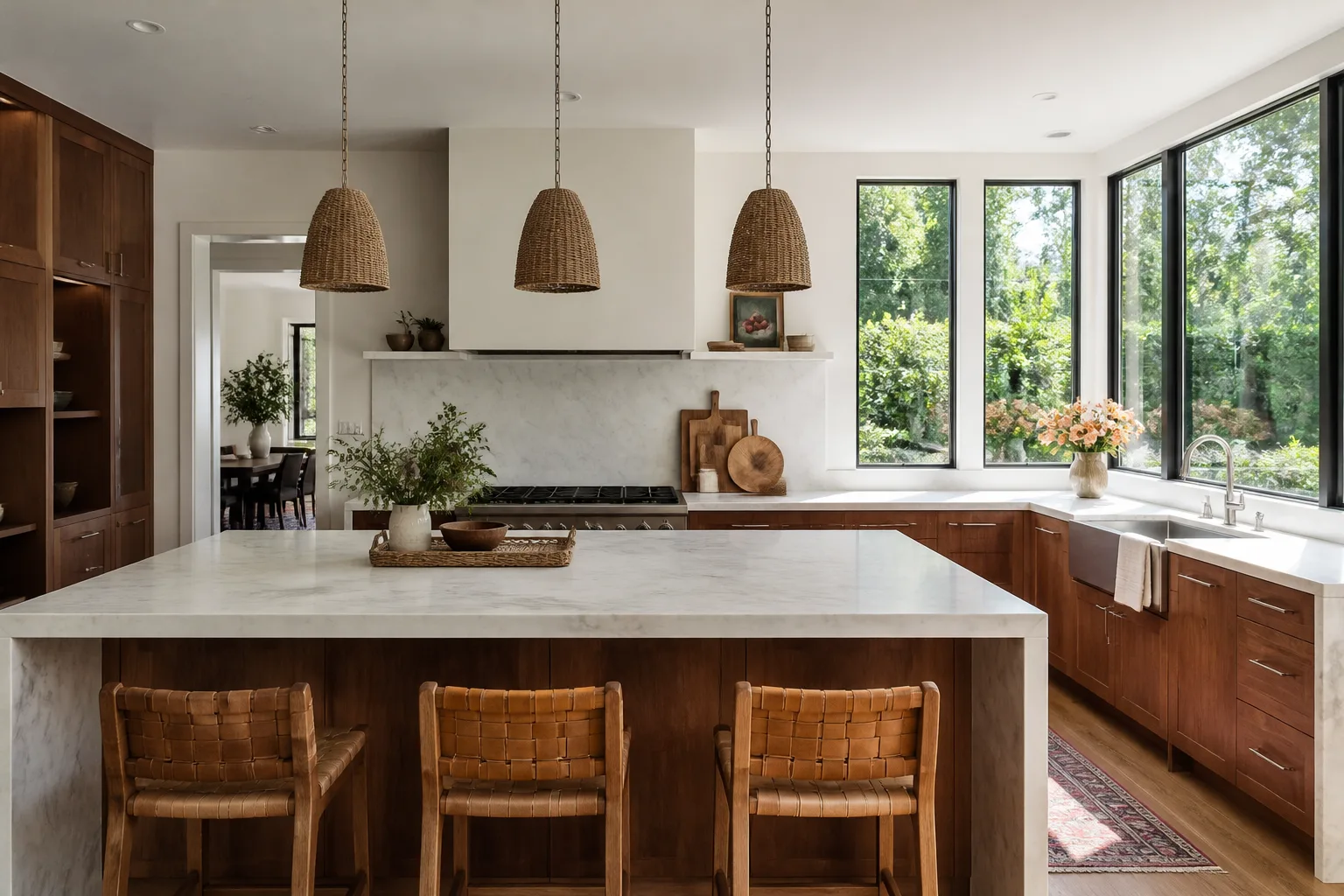
Cambria makes over 150 designs across several collections: Marble, Quartzite, Coastal, and standard Cambria designs. The compatibility question for a home addition or ADU isn’t really about the design name. It’s about slab thickness, edge profile, and whether the design is still in active production.
Cambria sells quartz in two thicknesses: 2cm and 3cm. The 3cm slab is the standard for kitchen islands and high-use countertops because it doesn’t need a plywood underlayment. The 2cm slab is thinner and often used for vertical applications, fireplace surrounds, or shower walls. If you’re matching an existing Cambria surface in an older San Diego home, check the edge. A 3cm slab typically shows a clean, squared edge. A 2cm slab is usually built up with a laminated edge to look thicker. That detail matters when you’re extending a countertop run or adding an island into a new addition, because you want the new slab to read the same as the old one.
One more gotcha: Cambria retires designs. If your existing surface is a design that’s been discontinued for several years, matching it exactly may mean a color-close alternative rather than the identical slab. We’ll tell you that before you spend a dollar, not after the slab arrives.
We also work with KraftMaid and Wellborn cabinetry, Silestone and Caesarstone surfaces, and Kohler and Moen fixtures, so if your addition includes more than Cambria, the material list stays consistent and the warranty picture stays clean.
Styles & brands we work with







Signs Your Cambria Home Additions & ADU Is Failing
Most of what we repair in San Diego falls into five patterns. Here’s what we see and what’s actually happening:
- A crack running from the sink cutout toward the front edge. This is the classic stress crack. The sink cutout creates a weak point, and if the cabinet beneath it shifted even an eighth of an inch, the quartz has nowhere to flex. In older San Diego homes with wood framing over clay soil, that movement is common.
- A seam that’s opened or darkened near the cooktop. Seams fail when the two slabs were joined too tight without room for thermal expansion, or when the adhesive degraded. Dark seams near heat sources mean the original installer didn’t use a heat-rated seam filler.
- The countertop is no longer level, or you can slide a playing card under one corner. That’s cabinet or floor movement. The Cambria is fine. The structure under it is telling you something.
- Chipping along an edge, especially near a dishwasher or pull-out trash cabinet. Impact damage. Dishwasher doors, pots, and drawer pulls hit the same spot over and over. It’s cosmetic, but a sharp chip is a snag hazard.
- Water staining or a white haze you can’t remove. Cambria is non-porous, so true staining is rare. Haze usually means the wrong cleaner etched the resin, or someone used a product with wax that built up. This one’s usually fixable without replacing anything.
See the difference
 Before
 After
After Before
 After
After Before
 After
AfterReplacement Cost & What’s Included
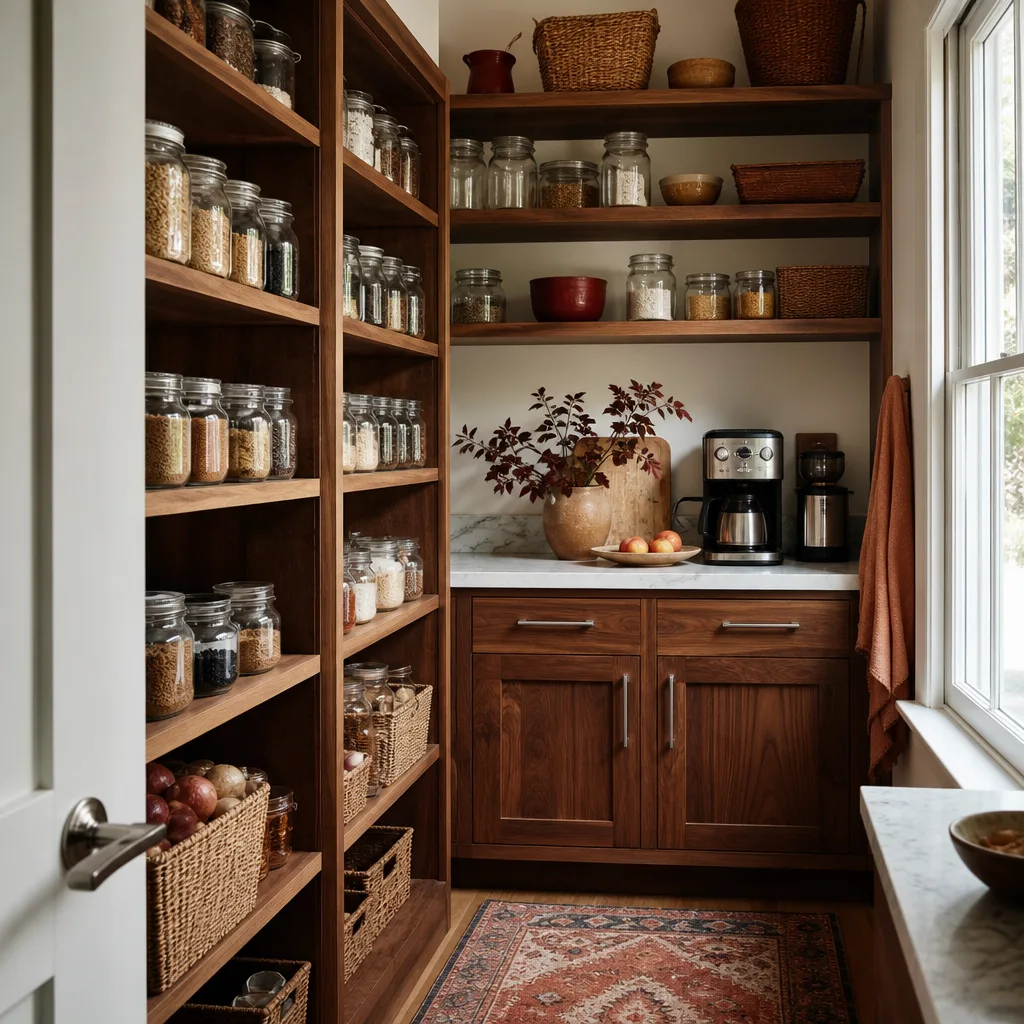
Here’s what honest numbers look like in San Diego right now. A full home addition with Cambria surfaces runs $53,100 – $153,400, and that range is driven by square footage, foundation type, roof work, and the complexity of tying the new framing into your existing house. An ADU construction project runs $106,200 – $259,600 depending on whether it’s attached, detached, or a garage conversion.
If you’re only replacing a failed Cambria countertop section inside an existing space, you’re looking at a different scale altogether. Countertop installation runs $2,360 – $7,670, and most of that variance comes down to slab size, edge profile, and whether we’re doing a single straight run or an L-shaped layout with an undermount sink.
Every number we give you is written down before work starts. That’s how we operate. The price on day one is the price on the invoice. No change orders because we “discovered” something after demo. If we do find something unexpected when we open a wall, we’ll show you photos, explain what we found, and give you a written number for the fix before we touch it. The 365-Day Done Right Promise backs the labor. Cambria carries its own warranty on the material. You get both, in writing.
DIY or Call Us?
Most Cambria surface issues are structural, and structural issues are not a weekend project. If a slab has cracked or a seam has opened, the repair involves removing the sink, separating the failed section, inspecting and often repairing the cabinet or substrate beneath, and re-setting a new slab with proper adhesive and seam work. That’s not a caulk-and-pray fix.
What you can safely do: check whether your cabinets are level with a $12 torpedo level, wipe the surface with warm water and a soft cloth to see if the haze is just residue, and measure edge thickness if you’re planning to match an existing surface. Those checks cost you nothing and they help us quote accurately over the phone.
What you shouldn’t do: attempt to glue a cracked slab, force-fill a seam with silicone, or prop up a sagging cabinet with shims and hope. Quartz is heavy. A 3cm slab can weigh 18 to 20 pounds per square foot. If the support under it is failing, the problem will come back, and it may leave a sharp edge exposed in the meantime. Tell me what you need, I’ll tell you what it costs, and we’ll go from there. Call (619) 604-9624.
FAQs
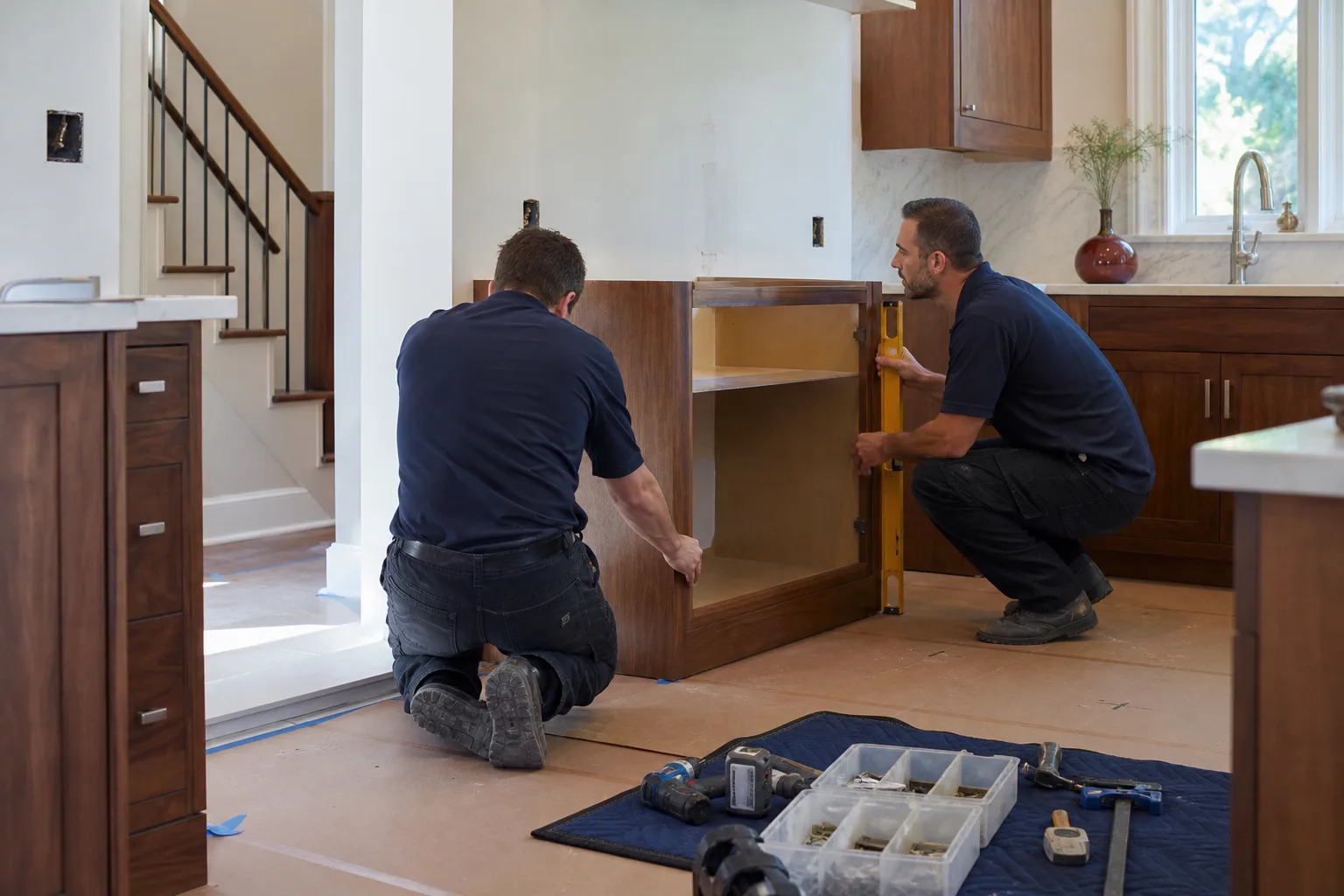
Cambria quartz is engineered to last for decades, and the material itself typically outlives the cabinets beneath it. In San Diego’s coastal climate, the bigger variables are soil movement and framing shifts, which is why proper substrate preparation matters more than the slab itself. Call (619) 604-9624 and we’ll assess your specific situation.
A crack can sometimes be filled and stabilized if the movement underneath has been corrected, but structural cracks near a sink or cooktop usually mean replacement of that section. We’ll tell you honestly which path applies to your surface, and the quote is free.
For a single straight run, plan on one to two days including removal, substrate inspection, and installation of the new slab. Larger layouts with islands or multiple seams add time. We’ll give you a written arrival window before the job starts.
We source Cambria through authorized distribution, which means slab availability depends on the design and current inventory. Standard designs are often available quickly in the San Diego market. Discontinued or low-volume designs take longer. We’ll check availability before you commit to anything. Call (619) 604-9624 for a free estimate.
Written by Trevor Nash, Owner, Penhallow Remodeling San Diego at Penhallow Remodeling San Diego, serving San Diego and nearby areas.


