

Free written scope consultation - allowances, timeline, and change-order rules on paper before a single trade is scheduled
Atlas Home Additions & ADU: The San Diego Owner’s Guide
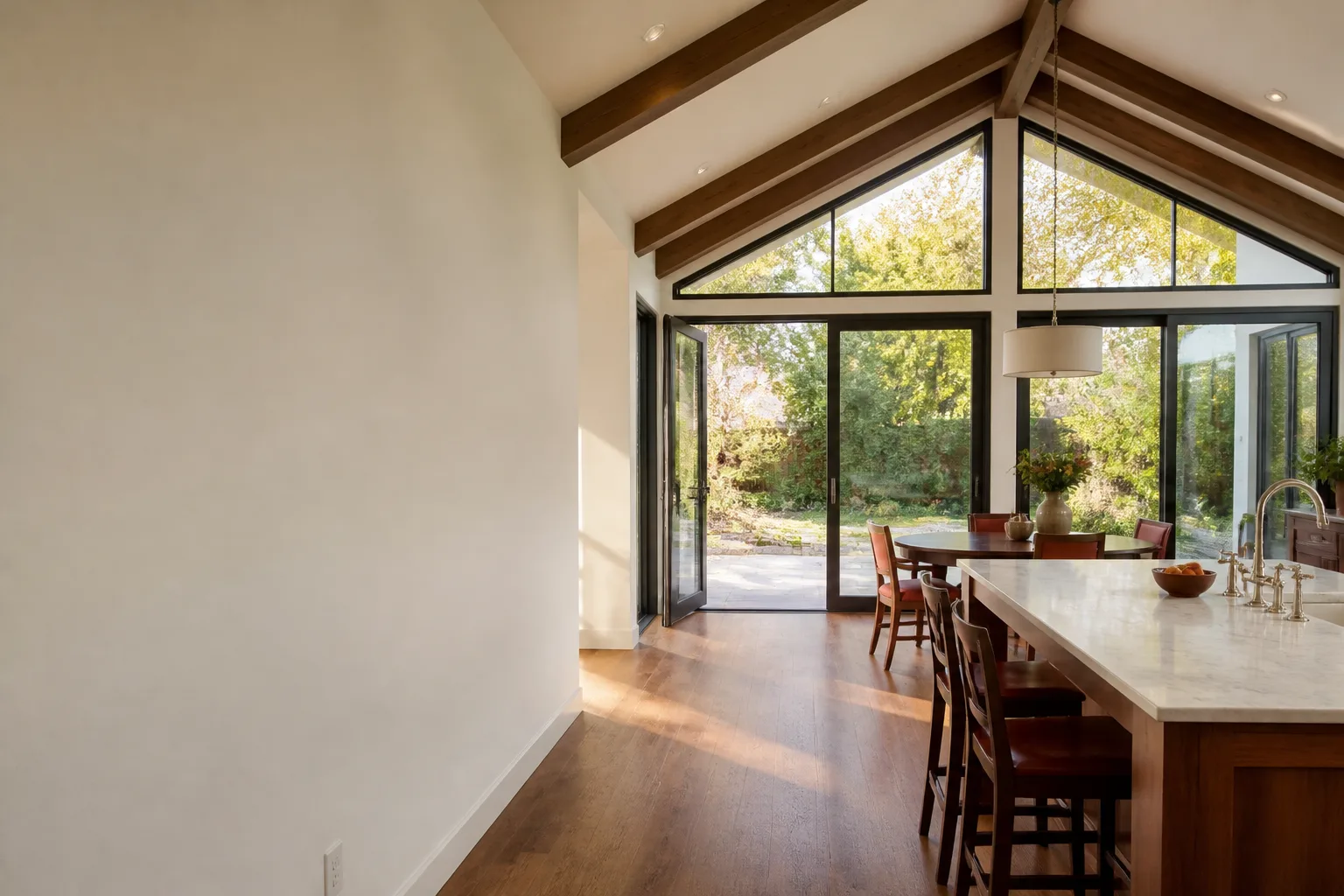
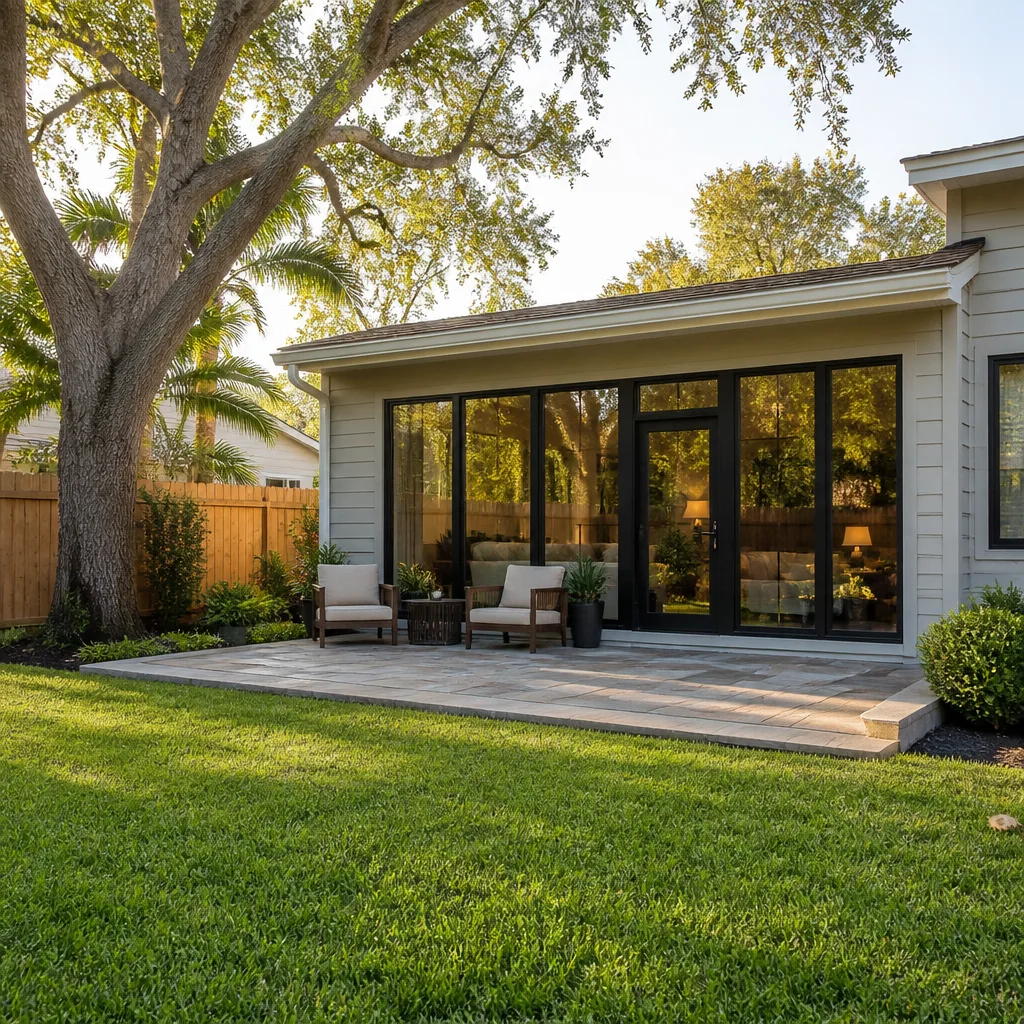
If you’re looking at a stalled Atlas home addition or ADU project in San Diego, the most common culprit isn’t the plan, it’s the framing and foundation work that was never sized or permitted correctly in the first place. Full Atlas-style home additions in San Diego typically run $53,100 – $153,400, and an attached ADU or garage conversion commonly lands between $106,200 – $259,600 depending on square footage, foundation type, and whether you’re tying into existing plumbing and electrical or running new lines. Homeowners usually call us after a rough inspection fails, a slab heaves, or a previous contractor walked off mid-frame and left the project exposed to San Diego’s marine layer. Our team at Penhallow Remodeling San Diego has walked hundreds of these sites, and we can tell you within the first visit whether the existing Atlas structure is worth saving or needs to be re-engineered before another dollar goes into it.
Penhallow Remodeling San Diego is an independent general contractor, not affiliated with Atlas. We install and repair Atlas-compatible framing, foundation, and finish work on home additions and ADUs across San Diego County.
Which Atlas Models This Applies To
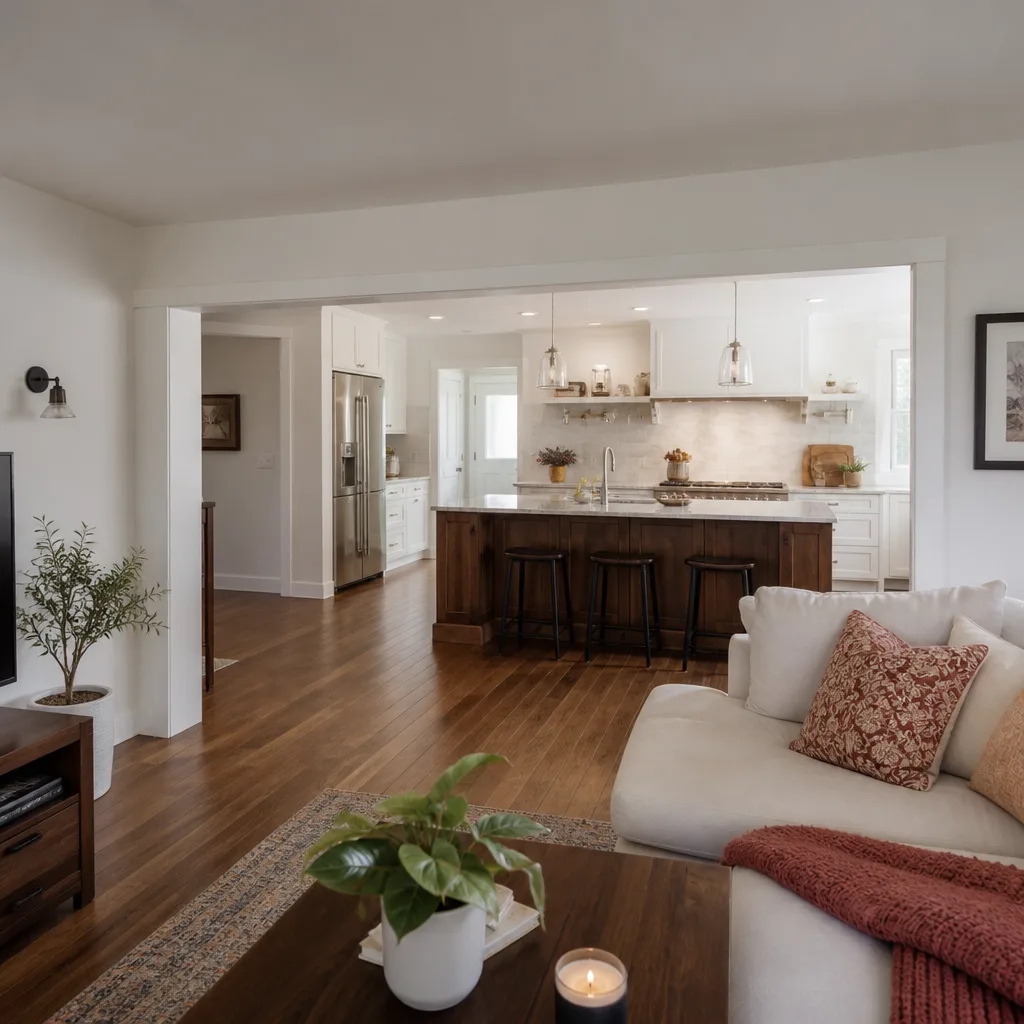
Atlas home additions and ADU projects aren’t a single “model” the way a faucet or cabinet line is, but there are clear compatibility patterns we see across San Diego. The Atlas approach tends to favor prefabricated wall panels and truss systems, which means the failure points are almost always at the connection points, ledger boards where the addition ties into the main house, and the foundation-to-panel transition. If you have the original permit set or a framing plan, look for a panel schedule or truss layout stamped on the first few pages. That tells us the spacing, load ratings, and whether the original installer followed the spec. If the paperwork is gone, we measure on-site, because Atlas panel spacing commonly runs 16 inches on center, but we’ve seen 24-inch spacing on older San Diego additions that was never meant for the weight of tile roofs or second-story loads.
When it comes to replacement parts, OEM Atlas components are typically available through regional lumberyards and truss suppliers, but the reality in San Diego is that a quality aftermarket engineered panel or Simpson-rated connector often outperforms the original, especially where salt air and termite pressure are in play. We source from the same trade channels we use for our other projects, including KraftMaid and Cambria for interior finishes once the structure is sound, so you’re not locked into a single supplier’s lead time. The decision usually comes down to what’s already in the wall, and we’ll tell you plainly if an Atlas-specific part is worth the wait or if a better-spec aftermarket piece gets the job done sooner for the same money.
Styles & brands we work with







Signs Your Atlas Home Additions & ADU Is Failing
- Gaps opening at the ledger board or roofline where the addition meets the original house. San Diego’s temperature swings are mild, but the soil movement along coastal mesas and inland clay is not. When the two structures settle at different rates, the joint pulls apart and lets moisture into the wall cavity. This is the number one thing we see in older Atlas additions around Clairemont and La Mesa.
- Sticking doors or windows inside the addition, or drywall cracks that keep coming back. A door that rubs the jamb in one season and frees up in another usually means differential settlement, not a bad hinge. If the crack at the corner of a window returns within six months of patching, the structure underneath is still moving.
- A floor that slopes or feels springy when you walk across it. Atlas additions built over crawlspaces in San Diego often have pier-and-beam foundations, and the piers settle or the beams deflect over time. A slope of more than 3/4 inch over 10 feet is worth a structural look before you put new flooring down over a problem that’s still active.
- Water staining at the base of walls or around the roofline after rain. San Diego’s dry months hide it, but when winter rains hit, any flashing or panel connection that wasn’t sealed properly shows itself fast. In Rancho Peñasquitos and Scripps Ranch, where we get more wind-driven rain, these leaks often trace back to a single missed housewrap overlap at the panel seam.
- Visible termite tubes or hollow-sounding wood at the sill plate. San Diego’s termite pressure is real, and Atlas-style panelized framing gives termites a straight path up from the soil at the sill. The earlier you catch it, the less replacement lumber and labor the job will take.
Replacement Cost & What’s Included
In San Diego, a structural repair or re-frame on an Atlas home addition or ADU typically falls between $5,900 and $23,600, while full addition projects start at $53,100 and ADU construction from the ground up commonly runs $106,200 – $259,600. What drives the number is straightforward: how much of the existing structure has to come out, whether the foundation is sound or needs piers or a new pour, and whether plumbing and electrical rough-in can be reused or must be brought to current San Diego code. We hand you a written price before any work starts, and that number doesn’t change unless you change the scope, in writing, with a signed change order. Every job carries our 365-Day Done Right Promise: if the work fails inside the guarantee period, we come back and fix it at no charge. No service call fee, no re-inspection fee, no fine print.
See the difference
 Before
 After
After Before
 After
After Before
 After
AfterDIY or Call Us?
Structural framing on a home addition is not a DIY job, and we say that as people who want you to save money where you can. What you can do safely is document what you’re seeing: mark the dates on cracks with a pencil line, measure any floor slope with a level, and check your gutters and downspouts to make sure water is being carried away from the addition. If water from a roof valley is dumping against the foundation, that’s a gut-level problem you can flag and we can fix in a day. But lifting a settling corner, replacing a compromised ledger, or pulling sill plates with active termite damage requires engineered solutions, shoring, and sometimes a permit. A mistake here doesn’t just cost more later; it puts everyone under that roof at risk. If the floor is springy, if the roofline is sagging, or if the addition is pulling away from the house, call us at (619) 604-9624. Trevor Nash will come out, walk the addition with you, and tell you exactly what’s wrong and what it costs to make it right.
FAQs

A properly built wood-framed addition in San Diego should last 50 – 80 years or more before the structure itself is compromised, though the finish materials (roofing, windows, siding) will need replacement on shorter cycles of 15 – 30 years depending on sun and salt exposure. The biggest variable is the foundation and drainage: a pier-and-beam addition with poor drainage in a canyon neighborhood can develop settlement issues in 10 – 15 years, while a slab-on-grade build on stable inland soil typically holds up much longer. If your Atlas addition is less than 20 years old and already showing structural movement, the issue is usually installation or drainage, not age. Call (619) 604-9624 and we’ll take a look.
In most cases we repair the failing component rather than rebuilding the whole addition, and the decision comes down to how far the damage has traveled. A shifting pier can be re-shimmed or replaced; a rotted ledger can be cut out and re-installed with new flashing; a sagging truss can often be sistered. We only recommend a full re-frame when termite damage, water damage, or structural movement affects more than 30 – 40% of the load-bearing framing. We’ll show you what we’re seeing in person and price both options so you can decide with your eyes open.
Most isolated structural repairs on an Atlas addition, like a ledger replacement or a pier repair, take 3 – 5 working days in San Diego, including inspection time if a permit is required. A partial re-frame or foundation correction typically runs 2 – 4 weeks depending on scope and weather. Before we start, you get a written schedule with a defined arrival window, so you’re not left wondering when the crew shows up. We’ll also tell you what’s behind the wall before anyone pulls a permit.
We stock common structural connectors, fasteners, flashing, and framing lumber on our trucks, and source Atlas-compatible panels, trusses, and engineered lumber through the same trade suppliers used across San Diego, so lead times are usually days, not weeks. For interior finishes on your addition, we draw from recognized brands like Cambria and Silestone for countertops and KraftMaid for cabinetry, so the materials behind our workmanship carry their own warranties alongside our 365-Day Done Right Promise. Tell me what you need, I’ll tell you what it costs, and we’ll go from there.
Get a Written Price Before Any Work Starts
If your Atlas home addition or ADU is showing signs of structural trouble, the cheapest day to call is today. Our team at Penhallow Remodeling San Diego has been walking San Diego job sites long enough to know what a fair price looks like, and we’ll hand you a written number before a single hammer swings. A real person answers the phone at (619) 604-9624, day or night. Call to schedule your free estimate, and we’ll send a background-checked, uniformed technician to your home at the time we said we’d be there.
Written by Trevor Nash, Owner, Penhallow Remodeling San Diego at Penhallow Remodeling San Diego, serving San Diego and nearby areas.


