

Free written scope consultation - allowances, timeline, and change-order rules on paper before a single trade is scheduled
Ameristar Home Additions & ADU: The San Diego Owner’s Guide
Ameristar home additions and ADU projects in San Diego typically run $53,100 – $153,400 depending on square footage, foundation work, and whether you’re adding a detached unit or extending the existing footprint. Most Ameristar panel-based additions and ADU shells can be fully framed, dried in, and weather-tight within four to eight weeks once permits clear. The part most owners end up worrying about isn’t the panel itself, it’s the flashing, sill plate connections, and tie-down hardware that hold the Ameristar system to the foundation. Those are the components we replace and reinforce most often across San Diego County.
If you own an Ameristar addition or ADU and something’s failing, you usually discover it the same way: a soft spot near the base plate, a gap opening at a corner seam, or water staining along the bottom track where the panel meets the slab. We stock Ameristar-compatible flashing, anchor bolts, seam sealants, and panel repair stock, and we install them the same way the original system was designed to be built. Penhallow Remodeling San Diego is an independent contractor, not affiliated with Ameristar, but we’ve worked on enough of these structures to know exactly what fails and what it costs to fix.
Which Ameristar Models This Applies To

Ameristar produces both steel-framed and wood-framed panel systems for residential additions, ADUs, and modular extensions. The compatibility question comes down to three things: panel thickness (typically 4.5 inches to 6.5 inches for exterior walls), the sill plate configuration (pressure-treated lumber versus steel track), and the seam fastener pattern stamped into the panel edge. If you can find the Ameristar label on an interior corner post or the top plate, it will list the panel series and manufacture date. If the label is gone, measure the panel thickness and check whether the exposed framing at any opening is wood or steel. That’s usually enough to identify the system.
One gotcha we run into regularly in San Diego: older Ameristar wood-framed panels from the mid-2000s use a non-standard 24-inch on-center stud spacing with a single bottom track. Newer steel-framed Ameristar panels use 16-inch on-center spacing and a double bottom track. The repair parts are not interchangeable. If you patch an older panel with newer track stock, the fastener holes won’t line up and the shear rating drops. We always match the original spec rather than forcing a generic fit. For most owners, OEM Ameristar repair components are the right call on anything structural: corner posts, bottom tracks, header assemblies. For non-structural items like interior trim, standard dimensional lumber from a San Diego supplier works fine and saves real money.
Styles & brands we work with







Signs Your Ameristar Home Addition or ADU Is Failing
- Water staining along the bottom track or baseboard. This usually means the sill flashing was never lapped correctly over the foundation edge, or the sealant at the panel-to-slab joint has dried out and cracked. In San Diego’s coastal zones, salt air accelerates that sealant breakdown by a factor of two or three compared to inland areas.
- A visible gap opening at a corner seam. Ameristar panels are designed to move slightly with temperature swings, but if a seam opens more than about 1/8 inch, the original shim pack has likely compressed or a corner fastener has loosened. Left alone, the gap grows and the weather barrier behind it tears.
- Soft drywall or bubbling paint near the ceiling line of an exterior wall. This points to a roof-to-wall flashing failure where the addition ties into the main house. It’s the single most common failure we find on Ameristar additions built against an existing stucco or siding wall. The counterflashing was either omitted or cut too shallow.
- Doors or windows in the addition start sticking or won’t latch. If the panel system is racking, the openings lose their square. That means the shear panel fasteners along the base have corroded or pulled out, often because the sill plate wasn’t pressure-treated or the anchor bolts weren’t embedded deep enough in the slab.
- A musty smell that doesn’t go away. Trapped moisture inside the panel cavity, usually from a failed seam seal or a punctured weather barrier. By the time you smell it, the insulation is wet and the interior sheathing is starting to mold. San Diego’s dry climate hides this for longer than you’d expect, because the exterior dries fast while the interior stays damp.
See the difference
 Before
 After
After Before
 After
After Before
 After
AfterReplacement Cost & What’s Included
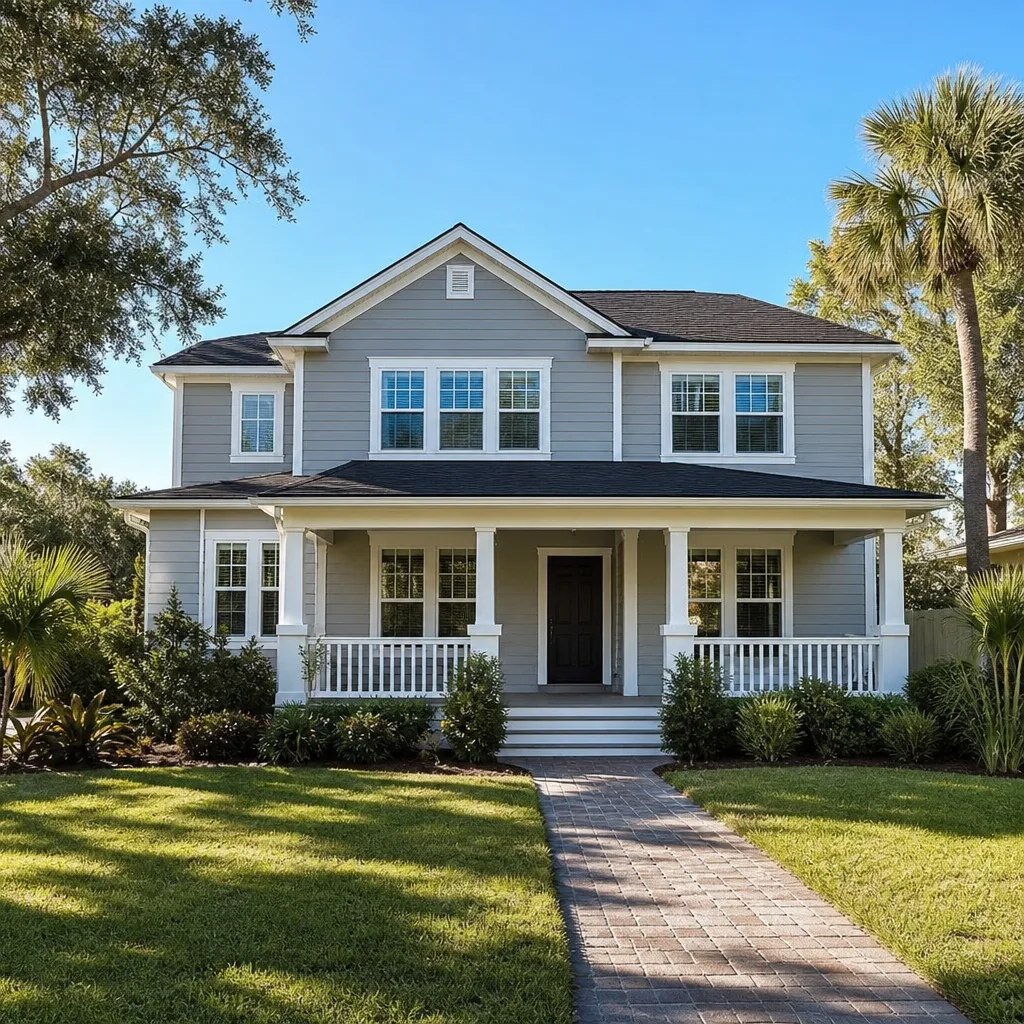
In San Diego, Ameristar addition and ADU repairs fall into three rough bands. A targeted repair, like re-flashing a roof-to-wall joint or replacing a bottom track section, runs $2,360 – $7,670. A panel replacement with new sheathing and weather barrier on a single wall section typically lands between $8,260 and $21,240. A full structural repair package on an Ameristar addition or ADU, including new sill plates, anchor hardware, panel sections, and interior drywall repair, starts around $53,100 for a small unit and can reach $153,400 if the foundation connection needs re-pinning across the entire perimeter.
What drives that range? Access is the big one. If the failing wall is a detached ADU with clear work space on all sides, labor drops. If it’s an addition tied into the back of a hillside home in Mission Hills or a canyon-lot property with no staging area, every panel has to be walked in by hand and the labor climbs. Material choice matters too: OEM Ameristar panels cost more than aftermarket equivalents but match the original engineering. Every quote we write for San Diego includes the parts, the labor, the disposal, and a written line-item price before any work starts. The 365-Day Done Right Promise covers the repair in writing, and if something we fixed fails inside that window, we come back and make it right at no charge. That’s the Kingswell standard: the price on day one is the price on the final invoice.
DIY or Call Us?
There are two things you can safely check yourself. First, walk the perimeter and look for visible gaps, cracks in the sealant, or rust streaks below panel seams. Second, check that your gutters and downspouts are moving water away from the base of the structure, because most Ameristar panel failures start with water sitting against the sill. That’s where the safe DIY ends. Working on panel-to-foundation connections, removing bottom tracks, or re-anchoring shear panels puts you in contact with the structural load path of the building. Get the torque wrong on an anchor bolt, and the panel shear rating drops without any visible sign. Get the flashing lap wrong, and water gets behind the weather barrier where you can’t see it until the drywall fails. This is structural work on a building people sleep in. Trevor Nash and our crew do this kind of repair year-round across San Diego County. Tell me what you need, I’ll tell you what it costs, and we’ll go from there. Call (619) 604-9624 and we’ll look at it together.
FAQs
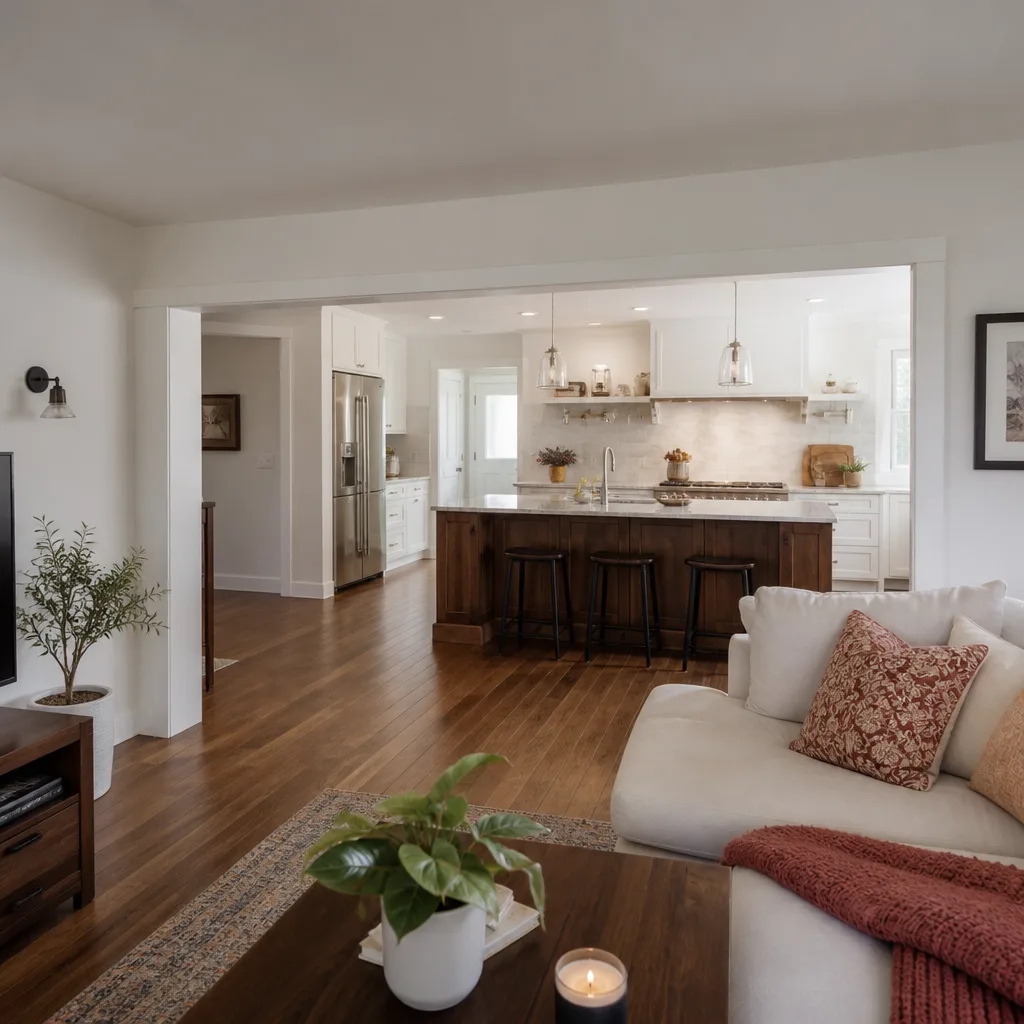
An Ameristar panel structure, properly flashed and sealed, should last 40 to 60 years in San Diego’s climate, with sealant and flashing touch-ups roughly every 10 to 15 years. The panels themselves hold up well, but the connections and weather barrier are the weak points, especially within three miles of the coast where salt air eats sealant faster than inland heat ever will.
Yes, in many cases a failing panel can be repaired if the steel or wood framing is still sound and only the sheathing, weather barrier, or flashing has failed. If the panel itself is racked, bowed, or the fastener pattern has pulled out, replacement is usually cheaper long-term than trying to nurse a compromised structural panel back into spec.
A single-wall flashing or bottom-track repair in San Diego usually takes one to three days on site. A full panel replacement with structural work runs one to two weeks. A complete structural rework of a failed Ameristar addition or ADU can take four to eight weeks depending on scope and access.
We stock common Ameristar-compatible flashing, sealant, anchor hardware, and track stock on our trucks, so many San Diego repairs start the same day. For full OEM Ameristar panels or unusual series-specific components, we order directly from the supplier and the parts typically arrive within one to two weeks. We also work with KraftMaid, Cambria, and Silestone products on our remodel projects, but Ameristar structural repair is its own specialty.
If your Ameristar home addition or ADU is showing signs of water damage, seam separation, or structural movement, call (619) 604-9624 for a free estimate. We’ll give you a written price before any work starts, and the repair comes with the 365-Day Done Right Promise in writing.
Written by Trevor Nash, Owner, Penhallow Remodeling San Diego at Penhallow Remodeling San Diego, serving San Diego and nearby areas.


