

Free written scope consultation - allowances, timeline, and change-order rules on paper before a single trade is scheduled
Abodu Home Additions & ADU: The San Diego Owner’s Guide
If you own an Abodu home addition or ADU in San Diego and something’s failing, you need one thing: a contractor who knows the Abodu product line, can match the part, and will put the installed price in writing before work starts. Most Abodu-related repair and replacement work in San Diego runs between $53,100 and $153,400 depending on whether it’s a structural repair, a finish-level failure, or a full component rebuild. We’re not affiliated with Abodu, but we’ve spent years working around their builds and we know what fails first and what it costs to make right.
What usually tips an owner off is slow. A corner seam opens up. A window stops sealing against the morning marine layer. A deck ledger pulls a quarter inch away from the module joint. You don’t notice it the first week. You notice it when the drywall tape cracks or the door starts sticking after a wet winter.
Which Abodu Models This Applies To

Abodu’s product line lands in two broad buckets: the backyard ADU modules (Studio, One Bedroom, Two Bedroom) and larger custom additions built on the same panelized system. The parts that fail are rarely model-specific in the way,a water heater is model-specific. What matters is the interface: where the module meets the foundation, where the roof plane changes pitch, where the factory-installed windows meet San Diego’s salt air and UV.
Here’s the compatibility gotcha most owners don’t know: Abodu uses a proprietary wall panel connection system that’s factory-set in their California facility. When you’re replacing a section of siding, sheathing, or trim, you’re not just matching dimensions. You’re matching the reveal depth, the fastener schedule, and the expansion gap their engineers specified for coastal climate zones. A standard off-the-shelf repair from a generalist contractor will fit today and fail next year. We match the actual spec, not just the tape measure.
For OEM versus aftermarket: Abodu’s factory parts aren’t sold through retail channels. When we source replacement components, we’re either matching the original spec with trade-grade equivalents or fabricating to match the factory tolerance. The short version: aftermarket is fine if the material grade and dimensions are matched correctly. In San Diego’s climate, that means marine-grade fasteners, UV-stable sealants, and a backup layer that can handle three or four more atmospheric river seasons.
Styles & brands we work with







Signs Your Abodu Home Additions & ADU Is Failing
- Seam separation at module joints. Abodu units are panelized, which means seams are part of the design. But when a vertical seam opens wider than a hairline and won’t close after a dry week, you’re looking at foundation settlement or a failed connection detail. We see this most often on hillside lots in Mission Valley and Mount Soledad, where expansive clay soil moves more than homeowners expect.
- Door or window binding. A door that suddenly drags on the threshold or a window that needs two hands to close is rarely the door itself. It’s the frame moving because the unit has shifted. In Abodu builds, the factory-set window flashing can mask this until the pressure breaks the seal. By then, water has usually been getting behind the trim for months.
- Water staining at ceiling corners or baseboards. San Diego doesn’t get much rain, but when it comes, it comes hard. A small leak at a roofline transition or a failed sill flashing shows up as a tan ring on the drywall. If you’re seeing this, don’t wait until the next storm. The damage doubles in cost every season it sits.
- Floor deflection or soft spots. Abodu modules sit on piers or a slab depending on site conditions. A spongy corner, a tile crack running in a straight line, or a visible dip at the threshold means something underneath stopped carrying weight the way it was designed to. This is structural, not cosmetic, and it doesn’t fix itself.
- Mold odor or mustiness in wall cavities. You smell it before you see it. In San Diego’s humidity swings, trapped moisture inside a panelized wall turns into mold within a few weeks. The smell usually localizes near the bathroom, the kitchen sink wall, or wherever a roof penetration sits.
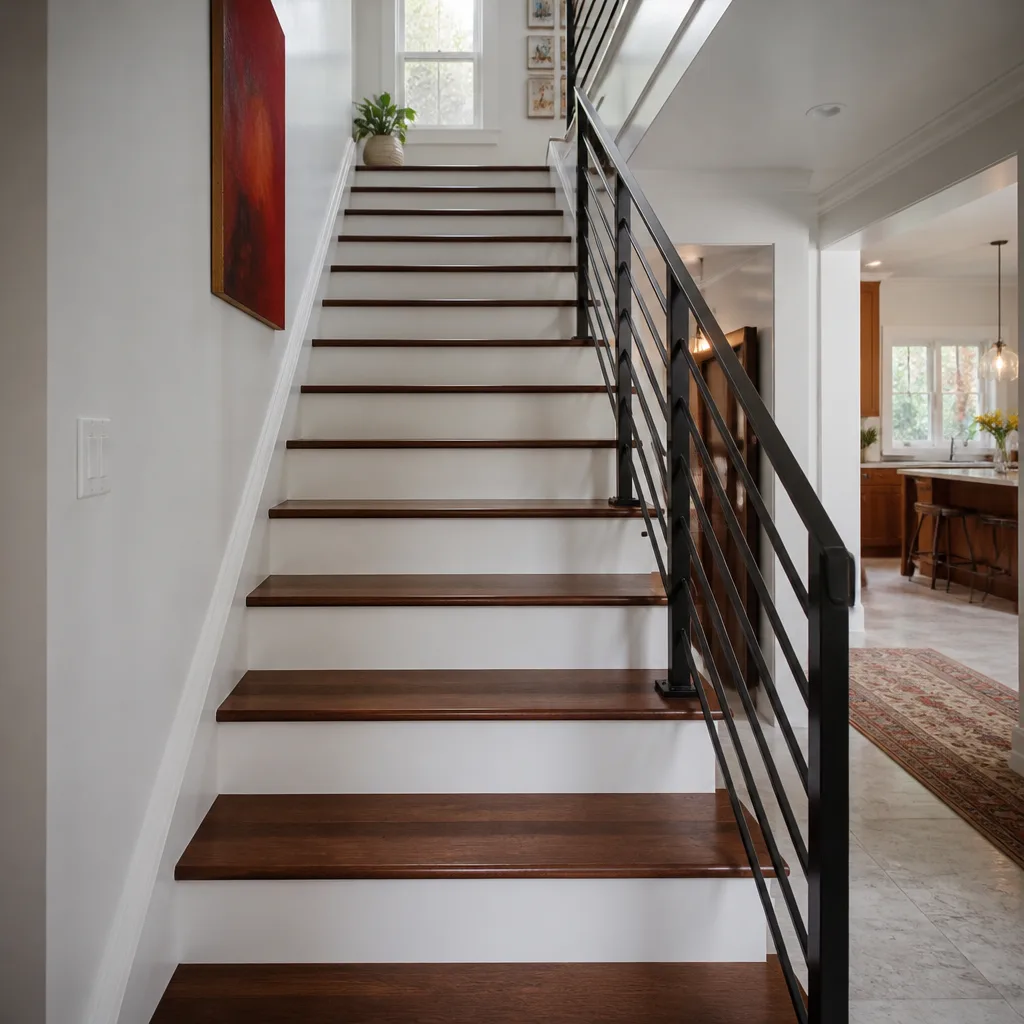
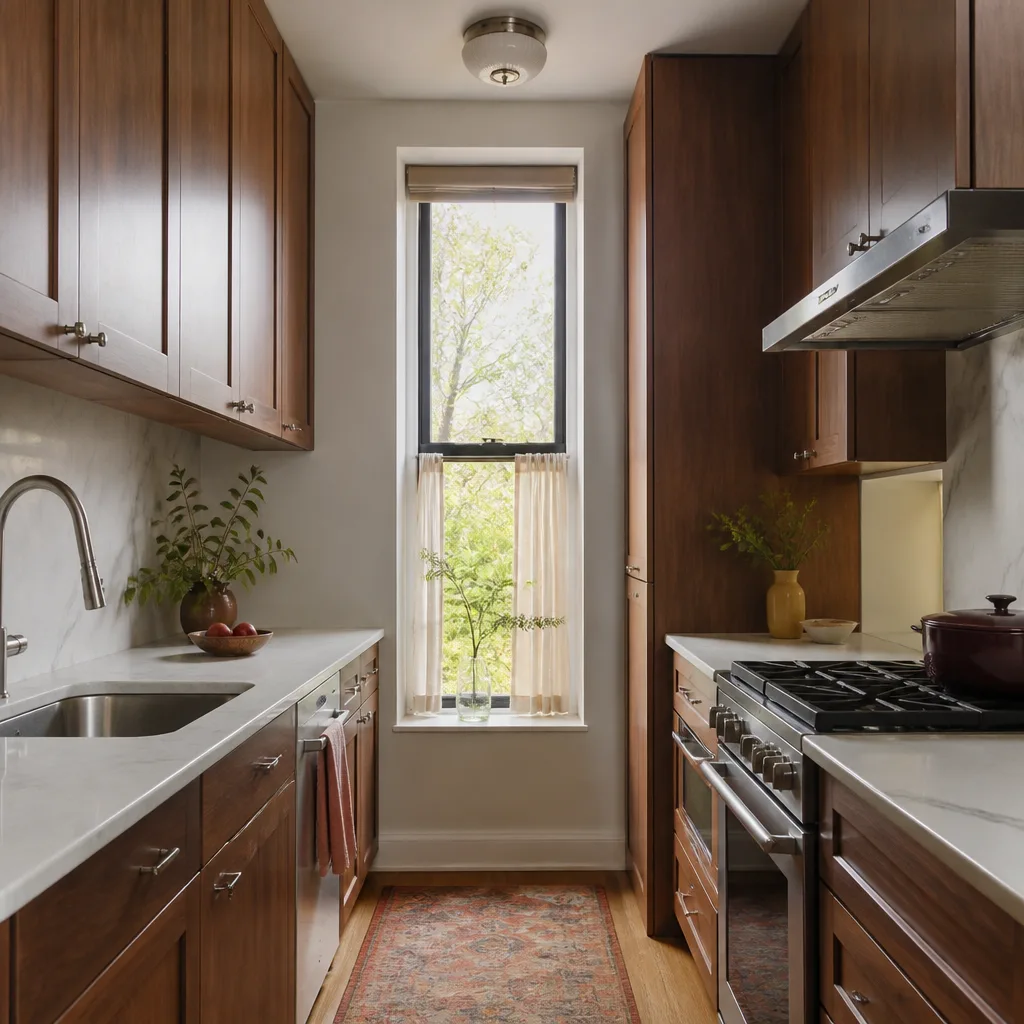
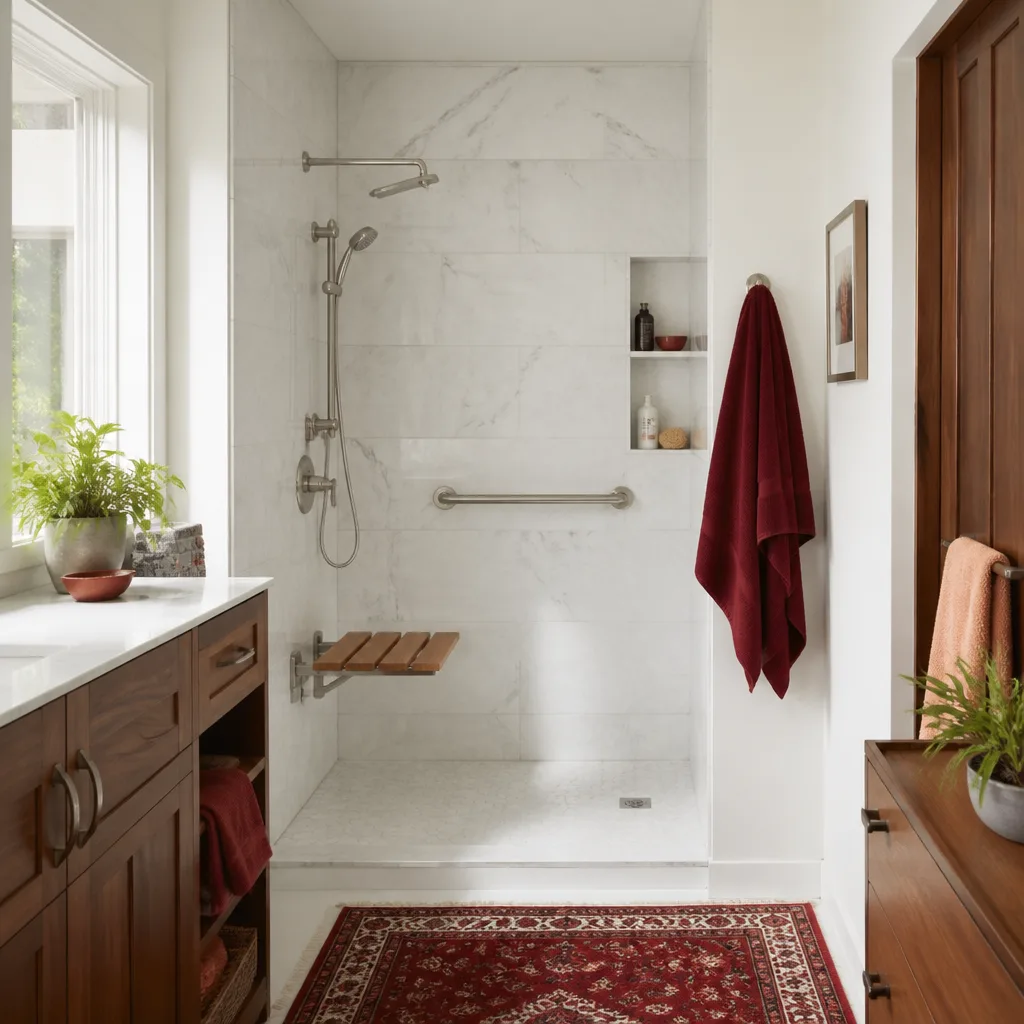
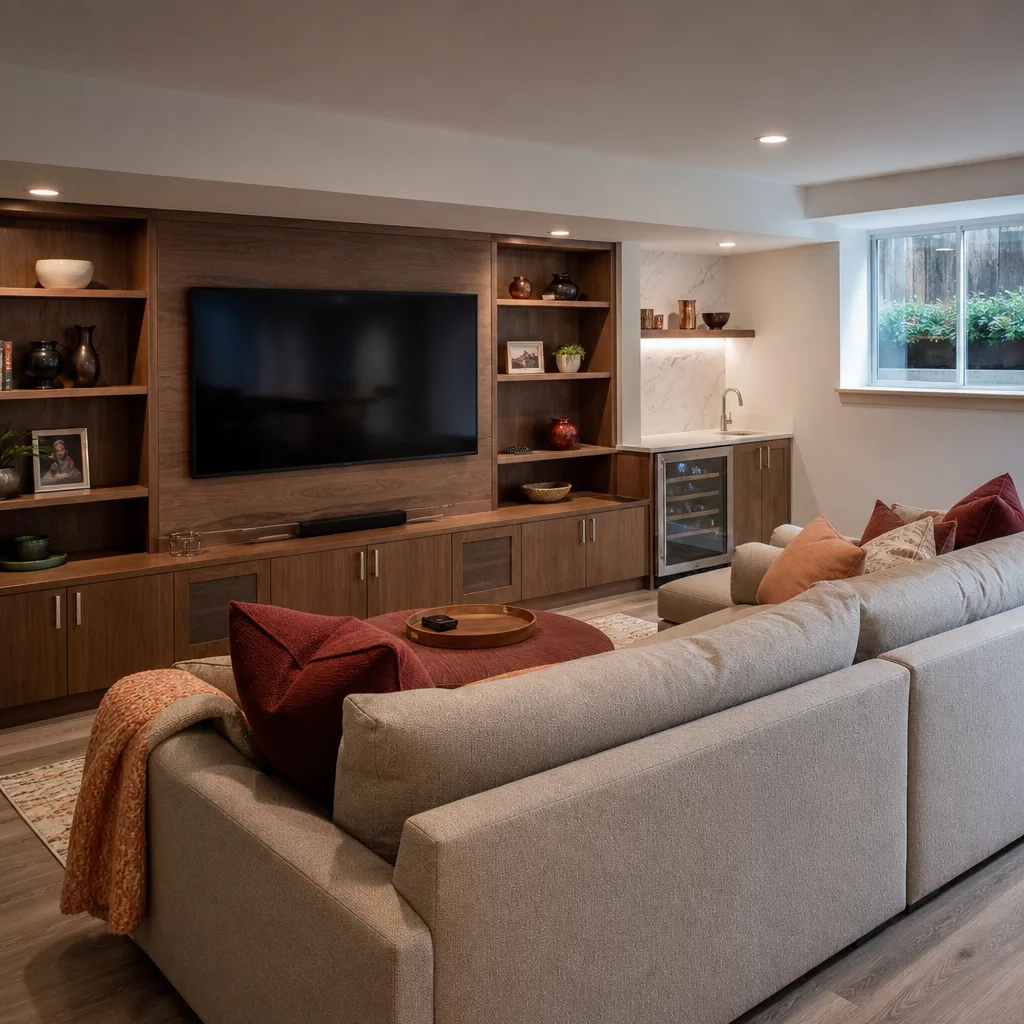
See the difference
 Before
 After
After Before
 After
After Before
 After
AfterReplacement Cost & What’s Included
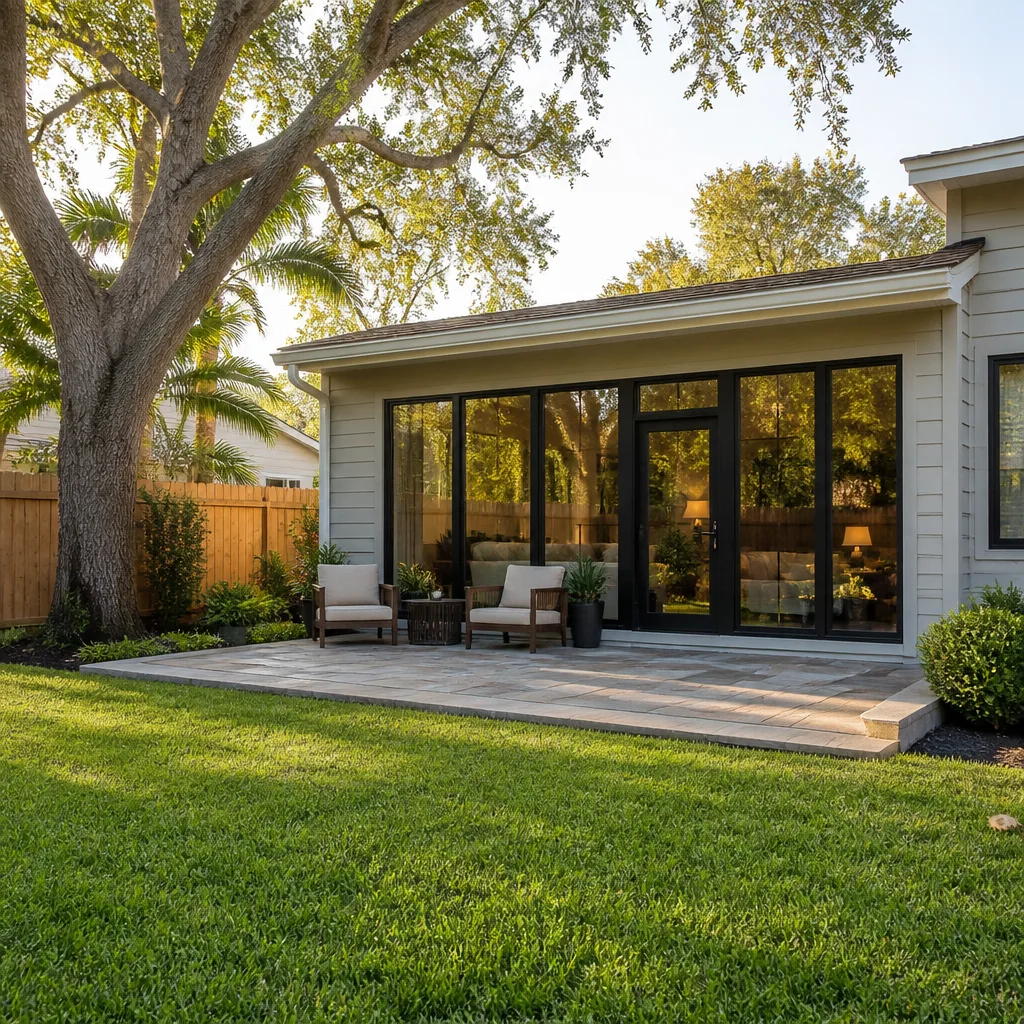
Let’s talk real numbers. A finish-level repair, like replacing a failed window seal, repairing drywall cracks, or re-flashing a roof transition, typically runs $5,310 to $17,700 in San Diego. A mid-level job, say a partial siding replacement with rot repair and new weather barrier at the module joint, lands between $17,700 and $53,100. Full structural repairs or a significant component rebuild on an Abodu unit push into the $53,100 to $153,400 range, depending on access, engineering, and what’s hidden behind the wall once we open it up.
Here’s what you get with a written number from us. The quote includes parts, labor, disposal, and the warranty. It says exactly what we’re doing, what materials we’re using, and what happens if something goes wrong. No allowances for “unexpected conditions” that balloon into a second invoice. If we open a wall and find something we didn’t plan for, we stop, explain what we found, and give you a new written number before we do anything else. That’s the Kingswell Way: say the price before the work, show up when we said we would, and leave the place cleaner than we found it.
DIY or Call Us?
Some things you can do yourself before you pick up the phone. Walk the outside of the unit after a rain and look at the joint lines. Push gently on window corners to feel for movement. Check your caulk lines where the module meets the roof. These observations help us diagnose faster, and they’re safe to do.
But working on the structural components of an Abodu unit is not a weekend job. The panelized wall system carries real load, and cutting into a load-bearing module joint without understanding the engineering behind it can turn a $15,000 repair into a $150,000 rebuild. If you’re dealing with a failed seam, a wet wall, or a door that binds, call us at (619) 604-9624. Trevor Nash will walk the site with you, tell you what he sees, and give you a written number before any work starts. Tell me what you need, I’ll tell you what it costs, and we’ll go from there.
FAQs
An Abodu unit built to spec and maintained properly should last 40 to 50 years structurally in San Diego’s climate, but the finish components, sealants, and flashing details typically need attention every 7 to 12 years. The marine air accelerates corrosion on fasteners and the UV breaks down exterior caulk faster than inland. If you’re past year 10 and haven’t had a professional look at the exterior seams and roof transitions, it’s worth scheduling an inspection. Call (619) 604-9624 and we’ll walk the unit with you.
Yes, in most cases. A failed window seal, a drywall crack at a seam, or a section of rotted trim can usually be repaired without rebuilding the unit. The exception is structural movement. If the foundation or the module connection has shifted, patching the finish will just keep cracking. We’ll tell you which situation you’re in, and we only recommend the bigger fix when the smaller one won’t hold. Estimates are free either way, so call (619) 604-9624 to find out.
A finish-level repair like re-flashing a window or repairing a drywall seam takes one to two days on site. A partial siding or trim replacement usually runs three to five days. A structural repair involving engineering review and permit work can take three to six weeks start to finish, and most of that is waiting on the city of San Diego plan check. We’ll give you a written schedule with your quote so you’re not guessing.
We keep standard trade-grade fasteners, flashing, sealants, and common trim profiles on our trucks and in our San Diego shop. Abodu-specific components usually need to be matched or fabricated to the original factory spec, and we coordinate that sourcing as part of the quote. We also work with materials from KraftMaid, Cambria, and Silestone when the repair scope includes interior finish components. The lead time depends on the part, and we’ll tell you exactly how long before you commit.
Written by Trevor Nash, Owner, Penhallow Remodeling San Diego at Penhallow Remodeling San Diego, serving San Diego and nearby areas.


