






Free written scope consultation - allowances, timeline, and change-order rules on paper before a single trade is scheduled
Quikrete Kitchen Remodeling: The San Diego Owner’s Guide
Quikrete products show up in San Diego kitchens more often than most homeowners realize, usually as the cement board substrate, floor leveler, or thinset mortar beneath tile, behind backsplashes, or under flooring. A full kitchen remodel involving Quikrete materials typically runs $16,520 to $53,100 in San Diego, depending on layout, cabinet line, and countertop choice. Most owners discover a Quikrete-related failure the hard way: a cracked tile, a spongy floor section, or a backsplash pulling away from the wall. When that happens, the question is rarely “can it be saved” so much as “what’s underneath, and how much to fix it right.”
We’re Penhallow Remodeling San Diego, and we work with Quikrete products regularly on our kitchen jobs across San Diego. Here’s the thing about cementitious products: they’re only as good as the prep and the person who mixed them. Quikrete makes solid materials. But a bad mix ratio, a skipped mesh layer, or a rushed cure in San Diego’s coastal humidity will fail every time, no matter whose name is on the bag. This page walks you through what matters, what fails, and what it actually costs to put it right.
Key Takeaways:
- Quikrete materials in kitchens are structural layers, not finishes. The problem is often behind the tile, not on top of it.
- Kitchen remodels in San Diego with Quikrete substrate work run $16,520 – $53,100 full-scope; smaller repairs land in the $945 – $3,540 range depending on what failed.
- We show up with a written price before any work starts. The number on day one is the number on the invoice.
- Every job carries our 365-Day Done Right Promise in writing. If it fails inside a year, we come back and fix it at no charge.
Which Quikrete Models This Applies To
Quikrete doesn’t make “kitchen remodels” as a single product line the way KraftMaid makes cabinet series or Cambria names its quartz colors. Instead, Quikrete supplies the cementitious materials that carry the kitchen: Quikrete Floor Mud for dry-pack shower pans and sloped surfaces, Quikrete Sand/Topping Mix for leveling subfloors under tile and stone, Quikrete Cement Board (in 1/4-inch and 1/2-inch sheets) as the moisture-resistant substrate behind backsplashes and under countertop tile, and Quikrete Thin-Set Mortar or Quikrete Polymer-Modified Mortar to bond everything together.
The compatibility gotcha most San Diego homeowners don’t know: the 1/4-inch cement board is not a subfloor repair product. It’s an underlayment layer only. We see kitchens in Clairemont and Pacific Beach where someone used 1/4-inch board directly over damaged plywood, skipped the thinset bed underneath the board, and now the tile cracks along the floor joist lines. The board is fine. The layer beneath it failed. For floor work over questionable subfloors, you need the 1/2-inch board or a full re-level with Sand/Topping Mix before the tile ever goes down. When we spec a job, we note both the product and the substrate condition so there’s no mystery about what failed and why.
We use OEM Quikrete bags direct from recognized trade suppliers, but we’re an independent contractor. Penhallow Remodeling San Diego is not affiliated with Quikrete. We stock the common bags on our trucks, and for full remodels we order pallets ahead of the demo date so the material is on-site, acclimatizing, and ready when the crew needs it.
Styles & brands we work with







Signs Your Quikrete Kitchen Remodeling Is Failing
- Hollow-sounding tiles under foot. Tap with a broom handle and you’ll hear a dull thud where the tile has debonded from the mortar bed. The thinset has lost its grip and the tile is riding on air. It’ll crack eventually, and every cracked tile tells you the bond failed below.
- Cracks running in straight lines across the floor. This is the classic symptom of a cement board seam telegraphing through the tile. The board edges were not taped and mudded at the seams, or the board was butted too tightly against the wall. The crack follows the seam exactly.
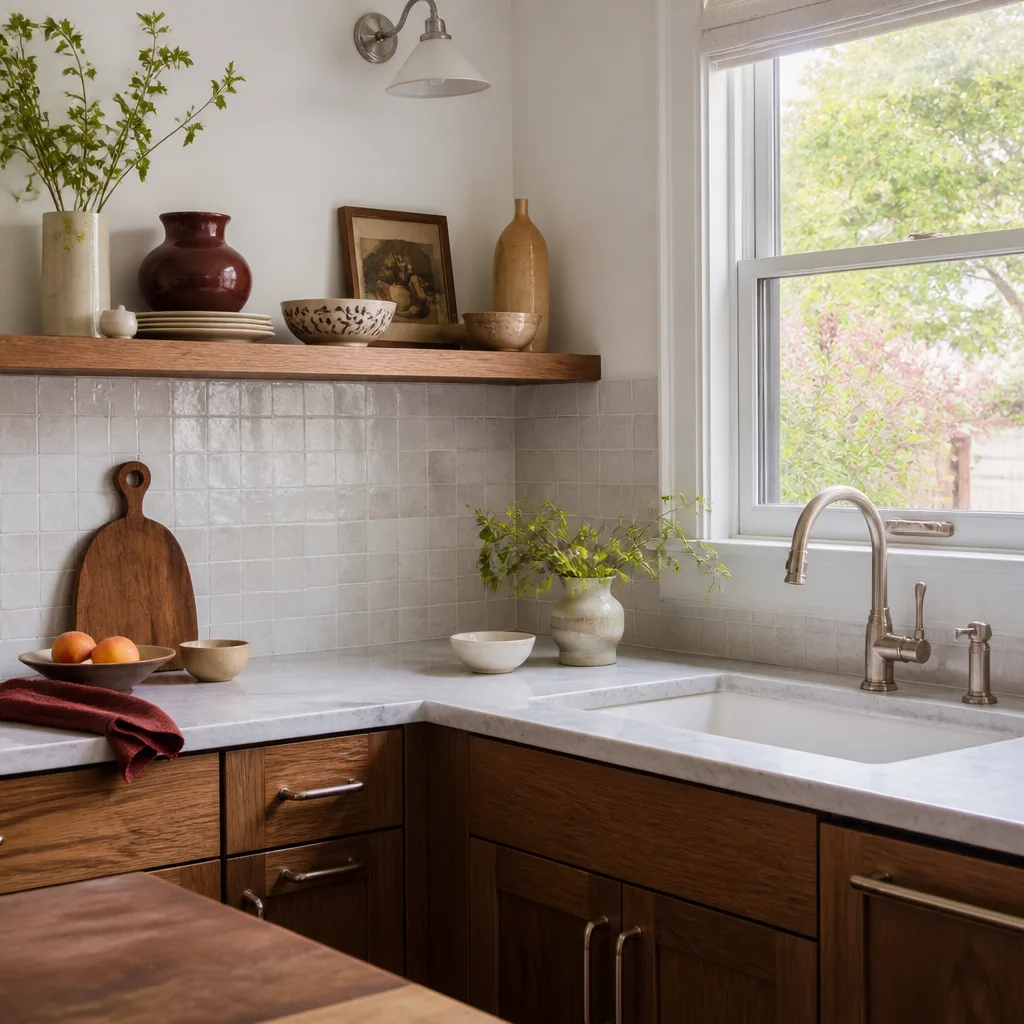
- Backsplash tile separating from the wall or bulging outward. Moisture got behind the tile. In San Diego’s coastal air, a failed grout line or a missing seal at the countertop edge allows water vapor into the cement board, and repeated wet-dry cycles push the tile off. It rarely fails all at once; it starts with a single loose tile above the sink.
- Grout cracking and re-cracking within weeks of a repair. That’s movement in the substrate. A tiny deflection in the floor, a wall that shifts with humidity, or an uncured leveler underneath will flex enough to crack the grout every time someone walks by. Grout is brittle by design. It’s the surface layer. The problem is below.
- Sagging or dipping floor in one corner of the kitchen. This is usually a failed Sand/Topping Mix pour that settled after cure, often because the mix was too wet at the time of installation. When the leveler sinks, the tile follows it. You’ll feel a soft “give” under a heel in that spot.
Replacement Cost & What’s Included
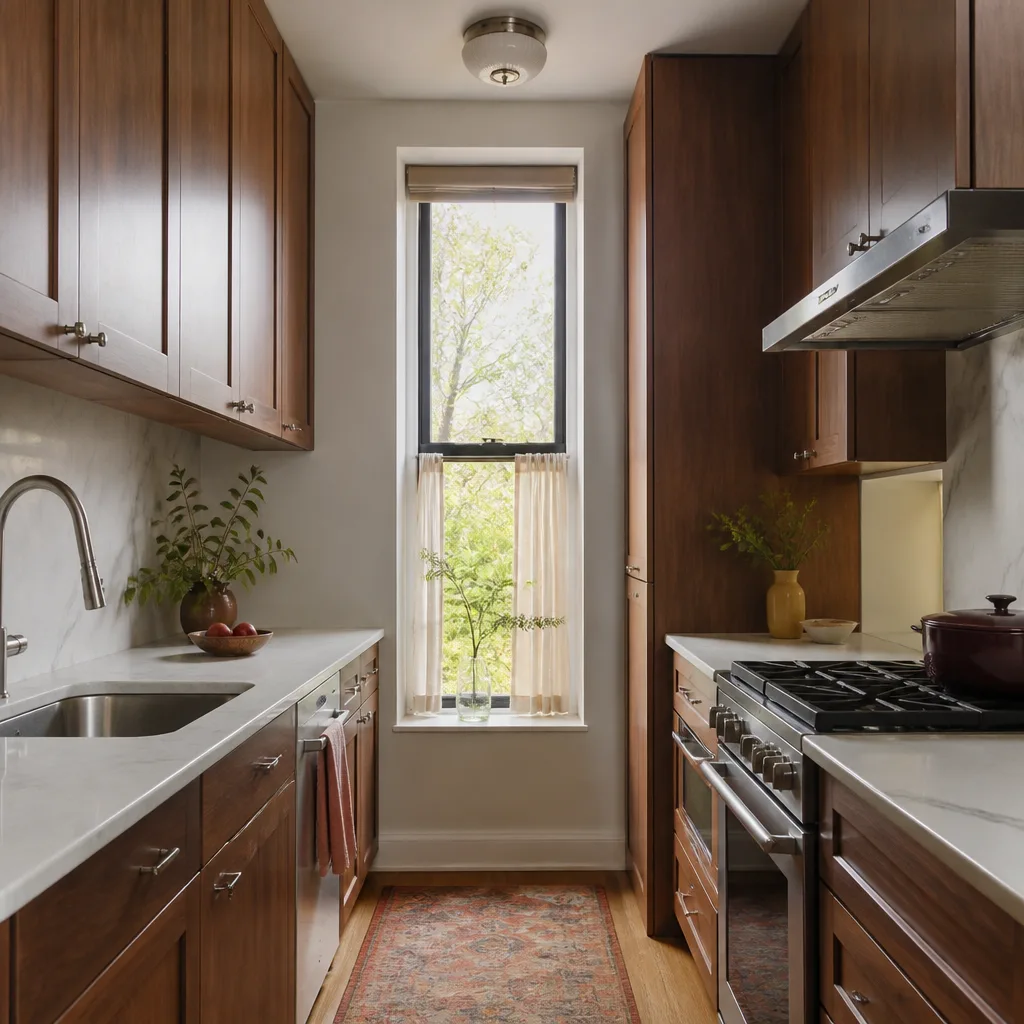
A full kitchen remodel in San Diego using Quikrete substrate materials runs $16,520 to $53,100. A smaller, isolated repair, like re-setting a failed backsplash section or re-leveling a floor patch, typically lands between $945 and $3,540 depending on square footage and how much demolition is required to get to the failed layer. Countertop replacement runs $2,360 to $7,670 when the surface itself is the problem.
What drives the range? You’re paying for three things: demo and disposal of the failed layer, substrate correction (new cement board, fresh mortar bed, or re-leveling), and finish installation (tile, stone, or the new countertop). A kitchen in Mission Hills with a 60-square-foot backsplash and a solid subfloor is a one-day repair. A Pacific Beach condo with a failed floor mud bed across 200 square feet is a full resurfacing that takes a crew three to four days. We write the price before any work starts, in a line-item quote, so you see exactly what the demolition costs, what the materials cost, and what the labor costs. The number doesn’t change at the door.
Every job includes our 365-Day Done Right Promise in writing. If the repair fails inside the guarantee period, we return and fix it at no charge. Period. That’s the Kingswell standard we’ve operated under since 2004.
See the difference
 Before
 After
After Before
 After
After Before
 After
AfterDIY or Call Us?
Here’s the honest split. You can safely check a few things yourself: tap the tile to find hollow spots, mark the ends of the cracks with painter’s tape to see if they’re growing, and check whether the grout is crumbling out of the joints with a flathead screwdriver. That tells you where the problem is. It doesn’t tell you why, and it definitely doesn’t fix it.
Where DIY goes wrong is when people decide to “just re-grout” a floor that’s still moving, or patch a cement board section without addressing the moisture source behind it. You spend a weekend, the crack comes back in six weeks, and now you’ve spent money twice. Mixing and floating a mortar bed isn’t a starter project either: the water ratio has to be exact, the cure time respected, and the slope right or the whole thing settles unevenly. If you’re not sure whether your kitchen is a repair or a replace, call us at (619) 604-9624. We’ll come look, tell you what we’d do, and give you a written number. Then it’s your call, no pressure either way.
FAQs
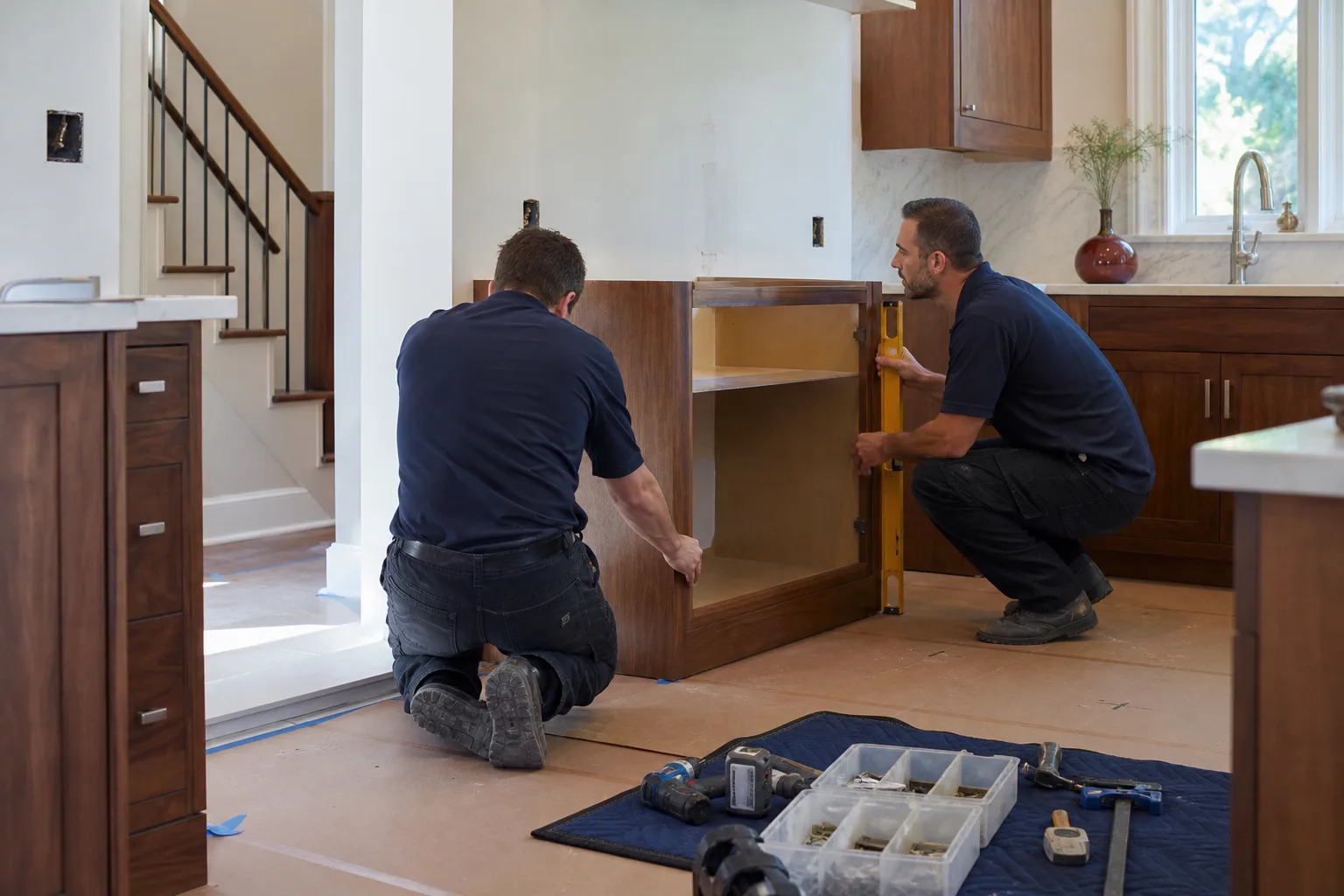
A properly installed Quikrete cement board substrate lasts 30 to 50 years in San Diego’s climate, provided the surrounding waterproofing stays intact and the structure beneath it doesn’t move. The failures we see are almost never the board itself. They’re what happened at installation: missing seam tape, skipped thinset under the board, or a bad leveling job below it. If you want to know how much life is left in yours, call (619) 604-9624 and we’ll take a look during a free estimate.
Small delaminations under a few tiles can sometimes be spot-repaired with injection mortar or targeted tile re-setting, but a cracked or settled mortar bed usually needs full removal and re-floating. Patching over a moving bed just moves the problem six inches. We’ll tell you straight which one you’re dealing with, and the estimate is free.
A small backsplash section is usually a one-day job, while a failed floor substrate across a full kitchen takes three to four days from demo through tile re-set and grout cure. We quote the arrival window in writing before the work starts, and a real person answers the phone 24/7 if you have questions during the job.
We stock common Quikrete products on our trucks: 1/2-inch cement board, polymer-modified thin-set, and Sand/Topping Mix are standard inventory for our San Diego crews. Larger orders for a full remodel come in ahead of the project so everything’s on-site and ready. Alongside Quikrete, we also work regularly with KraftMaid cabinetry, Cambria quartz, and Silestone surfaces, so the whole kitchen comes together under one written price and one written guarantee.
Get a Written Price for Your San Diego Kitchen
If your Quikrete substrate is failing, you don’t need a mystery estimate. You need a contractor who will tell you what’s wrong, what it costs, and who’ll stand behind the work. That’s been the way we run Penhallow Remodeling San Diego from day one. Say the price before the work. Show up in the window we gave. Leave the place cleaner than we found it. That’s The Kingswell Way.
Tell me what you need, I’ll tell you what it costs, and we’ll go from there. Call (619) 604-9624 for a free, written estimate on your Quikrete kitchen repair or full remodel in San Diego. A real person answers, every time.
Written by Trevor Nash, Owner, Penhallow Remodeling San Diego at Penhallow Remodeling San Diego, serving San Diego and nearby areas.


