
Free written scope consultation - allowances, timeline, and change-order rules on paper before a single trade is scheduled
Oldcastle Home Additions & ADU: The San Diego Owner’s Guide
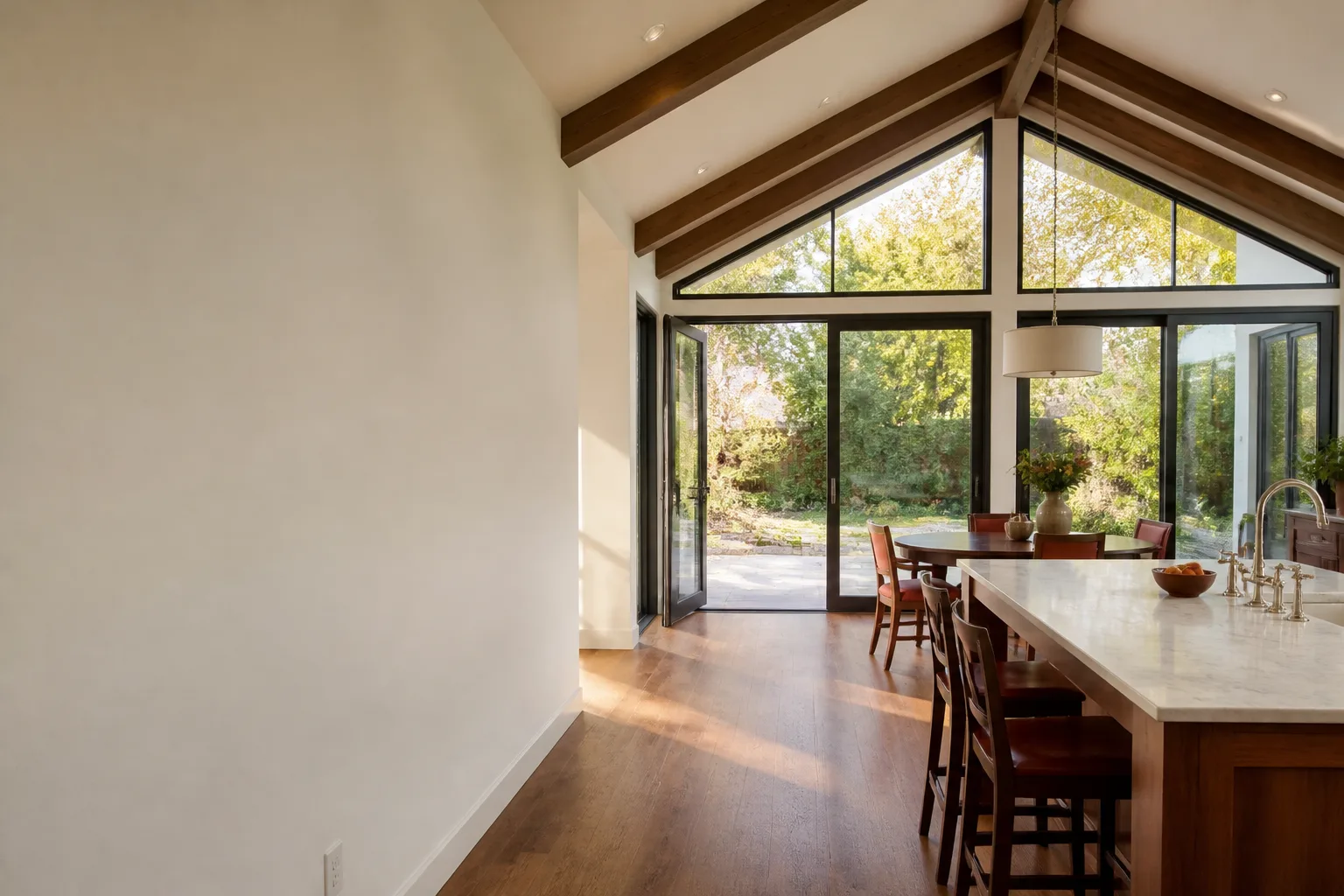
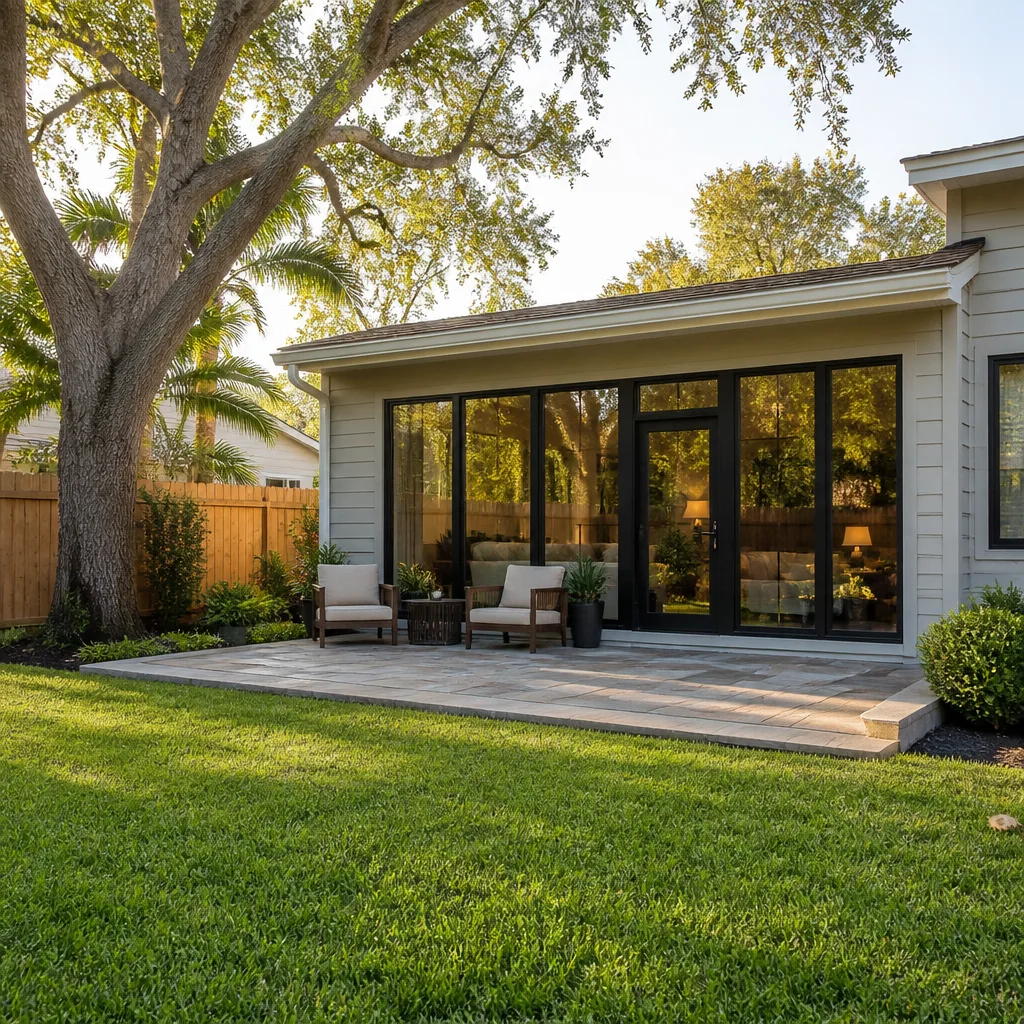
If you’re planning a home addition or ADU in San Diego using Oldcastle products, you’re looking at a typical all-in investment of $53,100 to $153,400 for the addition itself, with ADU construction running $106,200 to $259,600 depending on size, foundation work, and finishes. We install Oldcastle-compatible concrete and masonry materials on these projects and can usually schedule your initial site assessment within a few days. Most San Diego homeowners discover they need this page when their existing addition starts showing cracks in the stucco, water intrusion at the roofline, or settling that pulls door frames out of square. The good news is that Oldcastle’s block and veneer systems are predictable once you understand what’s failing, and the fix is rarely as expensive as the worst-case scenario your neighbor described over the fence.
Before we dig in: Penhallow Remodeling San Diego is an independent general contractor and is not affiliated with Oldcastle. We specify and install their materials because they hold up in our climate, but we’re not a factory rep.
Which Oldcastle Models This Applies To

Oldcastle manufactures a wide range of concrete masonry units, retaining wall systems, pavers, and architectural veneer stone that show up repeatedly in San Diego additions and ADU projects. The most common products we work with are their standard 8x8x16 CMU blocks, their split-face architectural block for accent walls, and their Belgard paver lines (Oldcastle’s hardscape division) when the addition includes a patio or driveway tie-in. If you’re unsure what you have, look for a code stamped on the back or bottom of a loose block: Oldcastle batch codes typically include a plant identifier followed by a date, and San Diego materials often come from their Southern California plants. Take a photo of the stamp and we can identify it over the phone before we even schedule a visit.
The OEM-vs-aftermarket decision matters here. For structural CMU, Oldcastle blocks have consistent compressive strength ratings (typically 1,900 to 2,800 PSI depending on the line) and identical dimensions batch to batch. Aftermarket blocks from other manufacturers often vary by an eighth of an inch in height, which doesn’t sound like much until you’re stacking a 10-foot wall and the coursing drifts. We specify Oldcastle-or-equivalent on any structural application and use genuine Oldcastle veneer for face work, because color matching a patch from a different supplier is a losing game in direct San Diego sun, where UV fading shows a mismatch within two years.
Styles & brands we work with







Signs Your Oldcastle Home Addition or ADU Is Failing
- Stair-step cracks through the block joints. This is the classic sign of differential settling, almost always tracing back to soil movement. San Diego’s expansive clay soils swell in winter rain and shrink in summer drought, and a footing poured without accounting for that movement will telegraph stress through the wall in a stair-step pattern along the mortar joints.
- Efflorescence (white chalky deposits) on the block face. Water is moving through the wall and carrying soluble salts to the surface. It’s not structural by itself, but it tells you the water management plan has failed somewhere, usually at flashing, weep holes, or a missing drainage plane behind the wall.
- Spalling or flaking on exposed block corners. This happens when water gets into the block’s surface pores, then heats up and expands. In San Diego’s east county, where summer temperatures swing 30 degrees or more in a day, spalling shows up faster than in coastal neighborhoods like La Jolla or Point Loma, but it happens everywhere eventually if the block was never sealed.
- Doors or windows in the addition that stick seasonally. If the opening was framed with inadequate clearance for settling, the frame binds against the jamb. It’s annoying in a single season, but it’s a warning sign that the structure is moving more than the original design allowed.
- Gaps opening at the roofline or where the addition meets the original house. The addition is pulling away from the existing structure. This is a flashing failure waiting to become a leak, and in a city where a winter atmospheric river can drop five inches of rain in a day, you don’t want to wait on this one.
See the difference
 Before
 After
After Before
 After
After Before
 After
AfterReplacement Cost & What’s Included
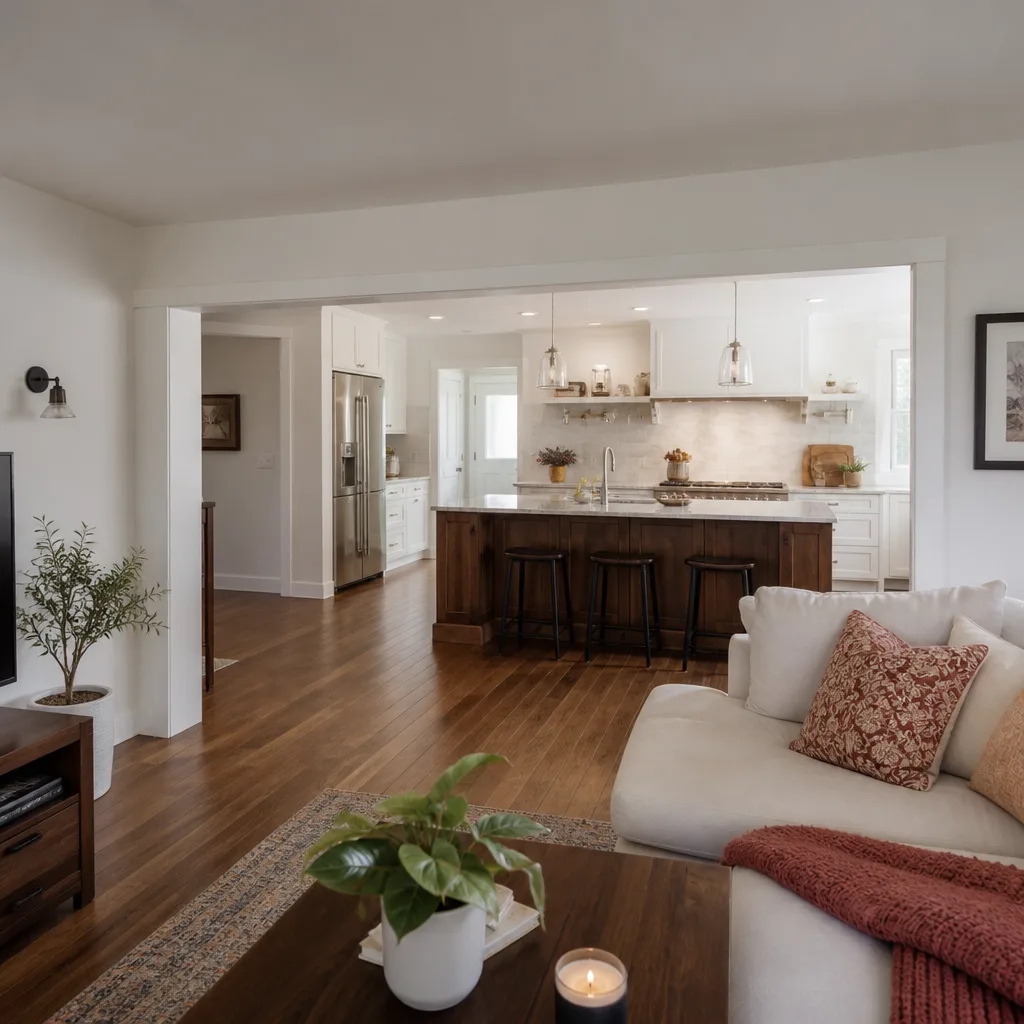
For San Diego home additions and ADUs using Oldcastle materials, here’s what we tell homeowners to plan for. A full addition runs $53,100 to $153,400, depending on square footage, whether you’re on a slab or raised foundation, and the level of interior finish. An ADU typically lands between $106,200 and $259,600 because it includes separate utility connections and usually a full kitchen and bath. If you’re just repairing or replacing a failed section of an existing addition (re-pointing mortar, replacing spalled block, correcting flashing), that work often falls in the $4,000 to $18,000 range depending on scope and access.
What drives the number up: soil correction (installing piers or replacing expansive soil with compacted base), roof tie-in complexity, and any required seismic retrofitting, which San Diego building codes take seriously. What drives it down: simple re-pointing, veneer replacement without structural work, and projects where we can match existing materials without ordering custom color blends.
Every quote includes a written line-item price before work starts, materials and labor broken out separately, and our 365-Day Done Right Promise in writing. If the repair fails inside a year, we come back and fix it at no charge, and the second visit is free too.
DIY or Call Us?
For a cosmetic issue like re-pointing a small section of mortar on a low garden wall, a diligent homeowner with a grout bag and the right mix can do decent work. But here’s where I stop people: if the crack pattern is structural (stair-step cracks wider than a quarter inch, or any horizontal displacement), no amount of patching solves the problem, and the longer it sits, the more the repair costs. San Diego’s seismic codes exist for a reason, and the last place you want to discover a DIY repair failed is during an earthquake. If you’re seeing stair-step cracking, water intrusion, or doors binding in an Oldcastle-block addition, call us at (619) 604-9624. We’ll look at it, tell you exactly what’s moving and why, and give you a written number before any work begins.
FAQs

A properly built Oldcastle CMU addition should last 50 to 80 years as structure, with cosmetic maintenance (re-pointing, sealing) needed every 10 to 15 years depending on sun exposure and proximity to salt air. Coastal neighborhoods like Ocean Beach and Coronado see faster surface wear from salt, while inland areas with hard water have their own mineral issues.
Yes, in most cases. If the cracking is cosmetic and the wall is still plumb, we re-point the joints and install a flexible sealant over the crack, then monitor. If the wall has shifted out of plane, we may need to rebuild that section. Either way, we’ll tell you which applies before we touch anything, and the written price covers what we said it covers.
A repair (re-pointing, flashing correction, veneer replacement) typically takes 2 to 5 working days. A full addition or ADU runs 3 to 6 months depending on permitting, foundation work, and finish level. We give you a written schedule with the quote, and when we give a window, we show up in it.
We source Oldcastle block and veneer directly through their Southern California supply chain, so you don’t need to arrange anything. For repairs on existing work, we’ll match the existing block as closely as possible, and if it’s a discontinued line, we’ll show you the closest match before we order, so there are no surprises. We also work with KraftMaid cabinetry, Cambria and Silestone countertops for the interior side of additions and ADUs, so the same crew can carry the project from block wall to finished drywall.
If you’re looking at a failing Oldcastle addition or planning an ADU in San Diego, the conversation starts with a phone call. Tell me what you need, I’ll tell you what it costs, and we’ll go from there. Call (619) 604-9624 to schedule a site assessment. The estimate is free, it’s in writing, and the number on day one is the number on the final invoice.
Written by Trevor Nash, Owner, Penhallow Remodeling San Diego at Penhallow Remodeling San Diego, serving San Diego and nearby areas.


