
Last updated October 15, 2026



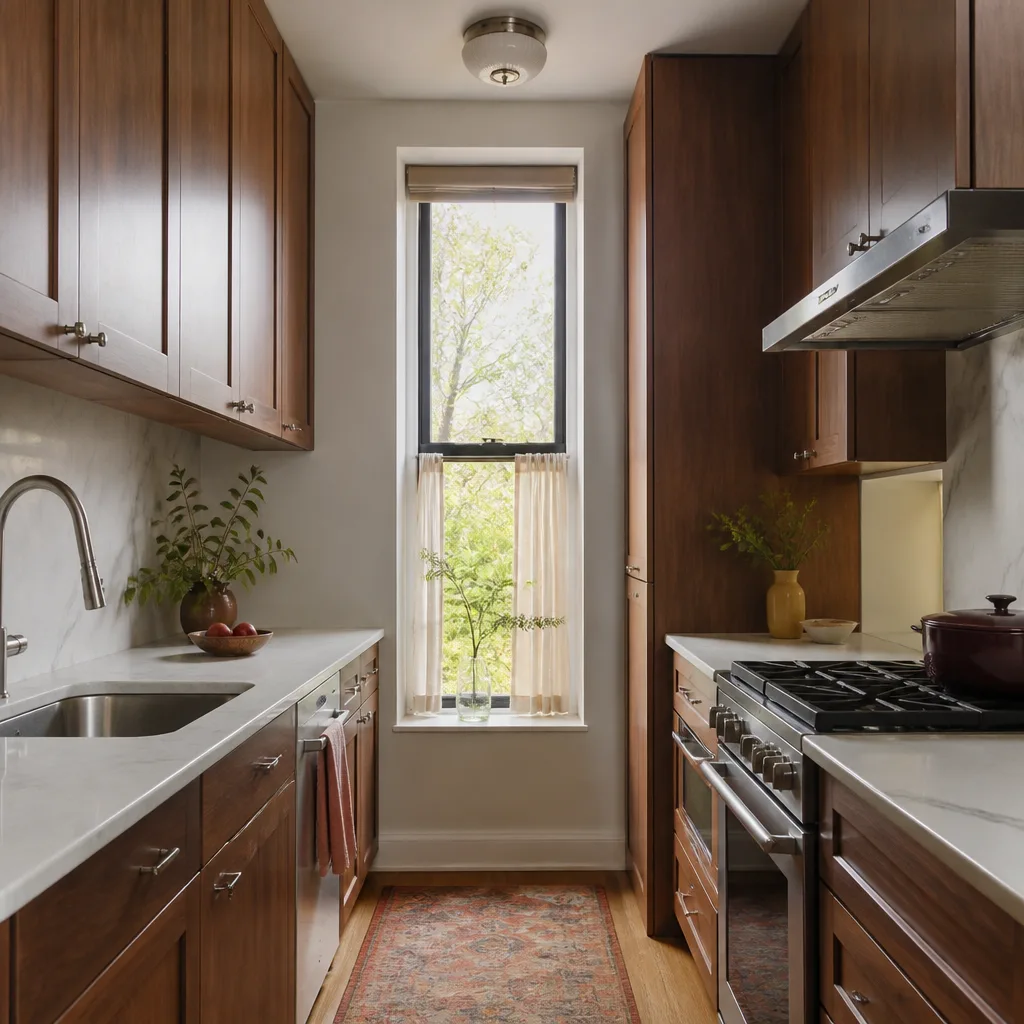

Free written scope consultation - allowances, timeline, and change-order rules on paper before a single trade is scheduled
Construction Cost Breakdown: The San Diego Homeowner’s Reference for 2026
When a San Diego kitchen remodel quote comes in at $65,000 and a national cost guide says $40,000, most homeowners assume they’re being overcharged. The truth is messier and more useful: three specific San Diego cost drivers account for almost all of that gap, and knowing them changes how you negotiate. This guide breaks down where every dollar goes in a San Diego remodel, which line items are fixed by the local market, and which ones a good contractor can actually move. If you’ve been burned by a bid that ballooned after demo day, this is the reference you needed before you signed anything.
Styles & brands we work with







Quick Answer
Construction and remodeling costs in San Diego run 18 – 24% above the national average in 2026, driven primarily by three factors: the local labor premium (framing, tile, plumbing, and electrical all bill higher here than in most U.S. metros), San Diego’s permit fee schedule (which is higher than neighboring jurisdictions like Escondido or Chula Vista for certain project types), and material cost multipliers tied to coastal freight, moisture-resistant specifications, and fire-rated assembly requirements. A mid-range kitchen remodel in San Diego typically lands between $28,000 and $65,000; a primary bathroom remodel between $18,000 and $42,000; and a whole-home interior remodel between $90,000 and $220,000 depending on square footage and finish level.
Table of Contents
- The San Diego Labor Premium, Broken Down by Trade
- San Diego Permit Fees: What They Cost and Which Projects Get Hit Hardest
- Material Cost Factors Unique to San Diego
- What a Legitimate Written Bid Must Itemize
- The Real Cost of a Low Bid: Three San Diego Overrun Scenarios
- Which Line Items Are Negotiable and Which Are Fixed
- 2026 Price Ranges for Common San Diego Remodeling Projects
- Common Mistakes to Avoid
- When to Call a Professional
- Frequently Asked Questions
- The Bottom Line
The San Diego Labor Premium, Broken Down by Trade
San Diego remodeling labor costs are not uniformly high. Some trades bill 10% above national averages; others bill 40% above. Understanding the spread is the first step to reading a bid intelligently, because a contractor who is actually losing money on framing may be making it up on tile, and you’ll want to know which line items to question.
Our experience as a general contractor in San Diego tells us the following ranges reflect what licensed crews are actually billing in 2026, not what national cost guides estimate. Here is the breakdown by trade:
- Framing and rough carpentry: $65 – $95 per hour for a lead carpenter, with apprentice time billing at $40 – $55. Framing runs 10 – 15% above the national average. San Diego’s seismic code requirements (DSA and CBC Chapter 23 hold-downs, shear wall nailing schedules) add engineering time and fastener counts that crews in Kansas never deal with.
- Tile setting: $55 – $85 per hour or $12 – $22 per square foot for standard formats. Large-format tile (24″ x 48″ or larger) runs $18 – $30 per square foot because it demands leveling clips, larger trowels, and two-person handling. Tile labor in San Diego runs 20 – 25% above national because the local market has a thinner bench of qualified setters and high demand from coastal remodels.
- Plumbing: $95 – $150 per hour for a licensed journeyman, with many shops charging a $75 – $150 dispatch or truck fee. Relocating a drain stack or moving a toilet across a bathroom commonly adds $1,800 – $4,500 to a remodel. San Diego’s older housing stock (much of it built 1950 – 1975) often has cast iron drains and galvanized supply lines that drive replacement scope well beyond a simple fixture swap.
- Electrical: $90 – $145 per hour for a licensed electrician. Panel upgrades run $3,500 – $6,500 for a 200-amp service, and San Diego’s high count of older homes with 100-amp panels means this line item shows up on perhaps a third of kitchen remodels we bid. Adding GFCI and AFCI protection per current California Electrical Code is not optional and not free.
- Drywall and painting: $45 – $70 per hour for drywallers, $50 – $80 for painters. These trades run closer to the national average, which is why savvy contractors protect margin on finish work and compete harder on rough-in.
The labor premium is real and it is structural. San Diego’s cost of living, the distance between job sites, and the number of contractors who left the trade after the 2008 housing crash all keep rates elevated. What you should know: this line item is partially negotiable through careful scope definition, but expect any contractor who quotes framing at $40 per hour in San Diego to be either unlicensed or unloading risk onto you in ways that will cost more later.
San Diego Permit Fees: What They Cost and Which Projects Get Hit Hardest
San Diego’s Development Services Department calculates permit fees based on project valuation, and the city’s fee schedule is meaningfully higher than the county’s unincorporated areas or smaller neighboring cities. Where a kitchen remodel permit in El Cajon might cost $900, the same project in the City of San Diego commonly runs $1,400 – $2,200.
Here is what you should expect in 2026 for common project types within San Diego city limits:
- Kitchen remodel (no structural changes): $1,200 – $2,000 in permit and plan review fees.
- Bathroom remodel (like-for-like fixture replacement): $500 – $900.
- Whole-home interior remodel with structural changes: $2,500 – $5,500 depending on valuation and the number of plan review cycles.
- Window replacement (like-for-like, no header changes): $200 – $500.
- Panel upgrade (electrical service): $250 – $450 in city fees, separate from the electrician’s labor.
Two project types carry the steepest permitting costs in San Diego: anything touching structural framing (load-bearing wall removal, header replacement, foundation work) and anything triggering a change of use or occupancy classification. A load-bearing wall removal in a 1970s Clairemont rancher might require structural calculations ($800 – $1,500 from a licensed engineer), two plan review cycles, and an in-progress inspection. All told, permitting and engineering on that single wall can reach $3,500 before a hammer is swung.
Coastal and hillside zones add another layer. Homes in La Jolla, Point Loma, and parts of Encinitas fall under coastal development permit requirements, which can add $1,000 – $3,000 and several weeks to the approval timeline. Hillside lots in Mission Hills, Bankers Hill, and parts of University City may require geotechnical review for foundation work. A competent contractor will flag these costs in the bid; a lazy one will discover them mid-project and hand you a change order. See our Construction Warning Signs: A San Diego Homeowner’s Reference Guide for more red flags.
Material Cost Factors Unique to San Diego
San Diego material costs carry three multipliers that most national guides ignore. The first is coastal freight. Anything that arrives by container (quartz slabs, European tile, imported fixtures) lands in the Port of Long Beach and trucks down I-5. That last-mile freight is not free, and it shows up in material line items at 5 – 8% above what the same product costs in Phoenix or Dallas.
The second is moisture-resistant specification upgrades. San Diego’s marine layer, salt air, and winter rain events push spec sheets toward materials that would be optional in a dry climate. We regularly specify cement board substrate (the moisture-resistant layer behind your tile) where a national guide might assume green board, and we use exterior-rated fasteners and corrosion-resistant flashing on any exterior work within a few miles of the coast. None of that is gratuitous; all of it costs money.
The third is fire-rated assembly requirements. California’s Wildland-Urban Interface (WUI) codes touch more of San Diego than most homeowners realize. If your home sits in a WUI zone (common in Scripps Ranch, Rancho Bernardo, Poway, and large swaths of East County), certain exterior materials must meet Chapter 7A fire-resistance standards. That often means upgraded wall assemblies, specific siding products, and ember-resistant venting. A James Hardie siding installation in a WUI zone runs 10 – 15% more than the same project in a coastal neighborhood that sits outside the mapped boundary.
For hardscape and paver work, product selection matters. Brands like Unilock and Techo-Bloc manufacture in North America and ship to San Diego distribution yards, which keeps their pricing more predictable than imported stone. Cambridge Pavers and Tremron offer competitive price points for budget-conscious projects. The key variable is not the paver itself but the base preparation: San Diego’s expansive clay soils in inland valleys demand deeper excavation and more imported aggregate than the sandy coastal plain, which can swing a paver patio bid by $1,500 – $3,000 on the same square footage.
What a Legitimate Written Bid Must Itemize
A written bid is only as useful as its line items. A lump-sum number hides the assumptions underneath it, and the homeowners who get burned are almost always the ones who accepted a three-sentence email bid. Here is what a legitimate written bid from a San Diego remodeling contractor should itemize, and why each line matters:
- Scope of work, room by room. If the bid says “remodel kitchen” and nothing else, ask for a room-by-room scope. The bid should say what is being demolished, what is being built, and what is being left alone. Vague scope is where change orders come from.
- Material allowances, with brand names. A legitimate bid names the cabinet line (KraftMaid, Wellborn), the countertop material (Cambria, Silestone, Caesarstone), and the fixture brands (Kohler, Moen). “Allowance for countertops: $4,000” means the contractor is guessing. “Caesarstone quartz, 42 square feet, installed” is a line you can hold someone to.
- Labor, separated by trade. At minimum, the bid should break out rough-in labor (demo, framing, plumbing, electrical) from finish labor (tile, paint, trim). This lets you compare two bids apples to apples, and it tells you where a contractor’s margin sits.
- Permit fees and engineering, as a named line item. If permits are “included” but not priced, assume they’re not actually included. The line should say what the permit fee is, what the plan review fee is, and whether structural engineering calculations are covered.
- Demolition and hauling. Dumpster rental, hauling, and disposal in San Diego runs $500 – $1,200 for a typical kitchen or bath remodel. If this line is missing, the contractor has either hidden it or plans to add it later.
- Contingency. Most good contractors carry 5 – 10% for uncovered conditions (rotted subfloor behind the old tub, wiring that was never to code). A bid with no contingency line is not more honest; it just means every surprise becomes a change order instead.
- Warranty terms, in writing. The bid should state what is covered, for how long, and what happens if something fails. We put our 365-Day Done Right Promise on every project: if the work fails inside the guarantee period, we come back and fix it at no charge. If a bid does not include written warranty terms, ask for them before you sign.
We also believe in the Kingswell standard: say the price before the work, show up in the window we gave, leave the place cleaner than we found it. That philosophy sounds simple, but it means every bid we write has a written number you can hold us to, not a ballpark we can walk away from. For a deeper look at how we structure our process, see Penhallow Remodeling San Diego home page.
The Real Cost of a Low Bid: Three San Diego Overrun Scenarios
Every contractor has a story about taking over a job where the previous bid fell apart mid-demolition. Here are the three most common cost-overrun scenarios we see in San Diego, walked from initial quote to final invoice. These are composite examples drawn from actual project patterns, not hypotheticals.
Scenario 1: The under-scoped kitchen. Initial quote: $32,000 for a “full kitchen remodel” from a one-man operation working out of a truck. The homeowner signs. Demo reveals the old cast iron drain stack is cracked and the supply lines are original galvanized. The original bid included neither plumbing replacement nor water damage repair. Change order one: $4,200 for the drain stack. Change order two: $2,800 for new supply lines and shutoff valves, which the city inspector requires before sign-off. Change order three: $1,900 for water-damaged subfloor replacement under the old sink. Final invoice: $40,900, and the homeowner lost three weeks while the contractor juggled another job. If the original bid had been itemized, the homeowner would have seen the missing plumbing scope before signing.
Scenario 2: The permit-free bathroom. Initial quote: $14,500 for a bathroom remodel, “no permits needed, we’ll handle everything.” The work gets done. Two years later, the homeowner tries to sell. The buyer’s inspector flags unpermitted work: the shower valve is not pressure-balanced, the exhaust fan vents into the attic instead of outside, and the electrical in the vanity wall was never inspected. The seller now pays $6,000 to bring the work to code and another $3,500 in escrow credits to keep the deal alive. Total cost of skipping permits: $9,500 plus the stress of a near-failed sale.
Scenario 3: The finish-material bait. Initial quote: $58,000 for a kitchen with “quartz countertops and custom cabinets.” The quote does not name brands or square footages. The homeowner later learns the “quartz” is a 2 cm imported slab from a brand nobody has heard of, and the “custom cabinets” are stock boxes with filler strips. The finish look is wrong, the countertop chips at the sink within 14 months, and the manufacturer warranty is void because the installer was not certified. The homeowner pays $8,500 to replace the countertop through a legitimate fabricator and is left with cabinets they never wanted. A legitimate bid that named Cambria or Silestone would have prevented every bit of this.
The lesson across all three scenarios: the low bid is rarely low by the end. It is low on day one and expensive by month six. The fix is not to always take the highest bid either; it is to demand line-item transparency, named materials, and written warranty terms before you sign anything.
Which Line Items Are Negotiable and Which Are Fixed
Not everything in a San Diego remodeling bid is up for negotiation, and knowing the difference is the fastest way to save money without cutting corners. Here is the honest breakdown from our side of the table.
Fixed by the local market (do not expect these to move):
- Permit fees. The city sets these. Neither you nor the contractor can negotiate them.
- Trade labor rates. Licensed plumbers and electricians in San Diego bill what the market bears. A contractor who quotes below market on these trades is either unlicensed or planning to make it up elsewhere.
- Structural engineering. If a wall is load-bearing, the engineer’s fee is what it is.
- Material freight. Quartz slabs, tile, and cabinetry all carry shipping costs that no contractor can waive.
Negotiable through scope decisions:
- Finish level. The difference between stock KraftMaid cabinets and semi-custom Wellborn cabinets is thousands of dollars, and it is entirely your choice.
- Countertop square footage. A 42-square-foot kitchen island waterfall edge adds material and fabrication costs. Choosing a standard edge profile and standard depth saves real money.
- Fixture selection. Kohler and Moen both make excellent faucets at $150 and at $800. The labor to install them is identical. Choose the $250 faucet and pocket the difference.
- Timing. Contractors in San Diego price jobs differently in August (when everyone wants work done before the holidays) than in February. If your timeline is flexible, mention it.
- Appliance reuse. If your existing appliances are in good shape and you are not moving their locations, keeping them saves on both materials and electrical/plumbing scope.
The most useful piece of advice we give San Diego homeowners: negotiate scope, not price. Asking a contractor to “do it for $5,000 less” with the same scope invites corner-cutting. Asking “what changes if we go with a 3 cm edge profile instead of a waterfall island, and a Kohler faucet instead of a Grohe one?” gets you a real savings conversation without compromising the structural quality of the work.
2026 Price Ranges for Common San Diego Remodeling Projects
Here are the ranges we are seeing in San Diego in 2026 for the most common remodeling project types. These figures assume licensed contractors, permits pulled, and mid-range finishes. Budget projects can come in below the low end; high-end projects with custom cabinetry and luxury finishes will exceed the top.
- Kitchen remodel (standard 10×12 to 12×14 layout, mid-range finishes): $28,000 – $65,000. A budget refresh with stock cabinets and laminate counters can land around $18,000; a full gut with semi-custom Wellborn cabinetry, Cambria quartz, and appliance relocation runs $45,000 – $85,000. For a detailed look at what drives these numbers, see our kitchen remodeling in San Diego guide.
- Primary bathroom remodel (full gut, 5×8 to 8×10): $18,000 – $42,000. Moving plumbing fixtures adds $2,000 – $5,000; a curbless shower with linear drain adds $3,000 – $6,000. See bathroom remodeling in San Diego for a room-by-room breakdown.
- Whole-home interior remodel (1,800 – 2,500 square feet, kitchens and baths excluded): $90,000 – $220,000 depending on scope. This typically includes flooring replacement, paint, trim, door replacement, lighting, and partial wall reconfiguration.
- Room addition (400 square feet, single story, standard finishes): $120,000 – $190,000. San Diego foundation work, stucco matching, and roof tie-in costs push this well above national averages.
- Exterior siding replacement (James Hardie fiber cement, 2,000 square foot home): $28,000 – $45,000. WUI zone compliance and stucco removal add cost.
- Paver patio or walkway (400 – 600 square feet, mid-range product like Unilock or Techo-Bloc): $12,000 – $22,000. Base preparation and drainage work account for 40 – 50% of the total.
These ranges are broad on purpose. The only way to get a number that applies to your specific home is a written, itemized bid, which is what we produce before any work starts. If a contractor quotes you $12,000 for a full kitchen remodel in San Diego in 2026, the number is either missing half the scope or the contractor is not pulling permits. Neither outcome ends well.
Common Mistakes to Avoid
- Accepting a bid without line items. A lump-sum number tells you nothing about what is included, what is excluded, and what was assumed. If the contractor cannot itemize, the contractor is not ready to be held accountable.
- Comparing bids with different scopes. Three bids for a “kitchen remodel” might include three entirely different scopes: one includes appliance relocation, one does not; one includes permit fees, one buries them. Always compare line by line, not total to total.
- Skipping permits to save $1,500. Unpermitted work surfaces at resale, during insurance claims, and whenever something fails. The savings evaporates the first time an inspector or a buyer’s agent asks for the permit history.
- Choosing finishes before understanding structural costs. We see San Diego homeowners fall in love with a $70-per-square-foot tile before learning the subfloor needs $4,000 of repair. Choose the structural scope first, then shop finishes against the remaining budget.
- Assuming the low bid is the honest bid. The low bid is often simply the least complete bid. The three scenarios above all started with a low number and a cheerful handshake.
- Ignoring the warranty section. A contractor’s willingness to put warranty terms in writing tells you more than any review. Ask: what is covered, for how long, and what happens if it fails? If the answer is vague, walk away.
- Not budgeting for the unexpected. A 10% contingency is not a contractor’s way of padding the bill. It is a realistic acknowledgment that a 1968 El Cajon rancher hides things behind its drywall. Homes in San Diego’s older neighborhoods (Clairemont, Linda Vista, Normal Heights) have 50 to 70 years of accumulated surprises.
When to Call a Professional
Some San Diego remodeling projects are genuinely DIY-able: painting a bedroom, swapping a faucet, replacing a light fixture. For help drawing the line, see our DIY vs Professional Construction: The San Diego Homeowner’s Decision Guide. Others are not, and the line is usually drawn by permit requirements, structural scope, and safety. Any project that touches load-bearing walls, plumbing drain lines, electrical panels, or gas lines requires a licensed contractor and a permit. Any project involving high-tension garage door springs, steep-roof work, or live electrical panels is genuinely dangerous and should never be attempted by a homeowner. A real professional will tell you when a job is outside your scope, and a trustworthy one will put the price in writing before the first tool comes off the truck.
If you are planning a remodel in San Diego and want a written, itemized price before any work starts, Penhallow Remodeling San Diego offers free estimates. Call (619) 604-9624 and we will walk your project room by room, hand you a written number you can hold us to, and include our 365-Day Done Right Promise in writing with every bid.
Frequently Asked Questions
A mid-range kitchen remodel in San Diego in 2026 typically runs $28,000 to $65,000, with budget projects starting around $18,000 and full custom remodels exceeding $85,000. The spread is driven by cabinet line (stock KraftMaid versus semi-custom Wellborn), countertop material (laminate versus Cambria quartz), and whether you move plumbing or electrical. Call (619) 604-9624 for an exact quote on your specific kitchen; estimates are free and the number we give you is a written price, not a ballpark.
San Diego remodeling costs run 18 to 24 percent above the national average because of three structural factors: local labor rates for framing, tile, plumbing, and electrical; the city’s permit fee schedule, which exceeds neighboring jurisdictions; and material cost multipliers from coastal freight, moisture-resistant specifications, and fire-rated assembly requirements. None of these are contractor markup; they are built into the San Diego market itself.
It should not, if the bid is itemized and the scope is clearly defined. Change orders happen when the original bid was vague, when the existing conditions were worse than expected, or when the homeowner changes selections mid-project. We put a written price in front of every homeowner before work starts, and the number on day one is the number on the invoice unless you ask us to change something.
If you are changing fixtures like-for-like without moving plumbing or touching electrical, a permit may not be required. If you are moving a toilet, relocating a shower valve, adding circuits, or touching load-bearing walls, a permit is required. A licensed contractor should know which category your project falls into and should include permit fees as a named line item in the bid.
A standard kitchen remodel with permits runs 6 to 10 weeks from demo to final inspection, depending on cabinet lead times and the number of trade inspections. Custom cabinet orders can add 4 to 6 weeks before construction even begins. A realistic contractor will give you a start date, a defined arrival window, and a completion range before you sign anything.
Look for line-item transparency: labor separated by trade, materials named by brand, permit fees as a specific number, and warranty terms in writing. If the bid does not name the cabinet line, the countertop brand, and the warranty period, ask why. The bid is the document you will hold the contractor to, and a vague bid is a contractor’s way of keeping their options open at your expense.
The Bottom Line
San Diego remodeling costs are higher than national averages for reasons that are real, measurable, and mostly outside a contractor’s control. What is inside your control is the quality of the bid you accept. Demand line-item transparency. Ask for named materials and written warranty terms. And expect the price to be a written number before the work starts, not a range that tightens after demo day. The homeowners who get burned are not the ones who pay a fair price; they are the ones who accept a vague one. For more guides & resources on navigating San Diego remodeling, explore our blog. At Penhallow Remodeling San Diego, under Trevor Nash’s leadership, every project gets a written price, a real arrival window, and our 365-Day Done Right Promise in writing. Call (619) 604-9624 and you will get all three, along with a number you never have to second-guess.
Written by Trevor Nash, Owner at Penhallow Remodeling San Diego, serving San Diego since 2004.
See the difference
 Before
 After
After Before
 After
After Before
 After
After

